Last updated November 18, 2026








Free written scope consultation - allowances, timeline, and change-order rules on paper before a single trade is scheduled
General Contractor Maintenance Checklist for Winchester Homeowners
If your contractor notices a cracked lintel or failing window flashing before starting an interior remodel and doesn’t put it in writing, you own that pre-existing condition when the invoice dispute starts. That single sentence explains why a maintenance checklist written by a general contractor looks nothing like one written by a home inspector. Inspectors document a snapshot. Contractors document what’s going to cost you money next. Winchester sits in a high-desert pocket where stucco takes a beating, expansion joints open up, and roofs cook under months of unfiltered sun. What follows is the checklist we actually run on homes around Winchester before we agree to touch anything, organized around what fails here first, what voids a workmanship warranty, and how to protect yourself before a single tool comes out.
Quick Answer
A general contractor’s maintenance checklist for Winchester homes focuses on the systems that fail fastest in a hot desert climate: stucco and its control joints, roof membranes and flashing, window and door seals, irrigation and drainage, and the structural connections hidden behind drywall. The real value isn’t the task list, it’s the timing. Check these systems in spring and again after the first hard freeze, write down what you find, and you’ll catch most failures before they reach the framing.
Styles & brands we work with
- Kitchen remodeling
- Bathroom remodeling
- Home additions & ADU
- Roofing
- Windows & doors
- Driveway & pavers
- Fence
Table of Contents
- What We Check Before Accepting a Remodel Scope
- Desert-Specific Maintenance: Stucco, Joints, and Roof Membranes
- Seasonal Timing for Winchester’s Temperature Swings
- What Deferred Maintenance Voids on a Written Workmanship Guarantee
- How to Document Pre-Existing Conditions Before Work Starts
- Interior Systems: Kitchens, Baths, and the Water Line
- Common Mistakes to Avoid
What We Check Before Accepting a Remodel Scope
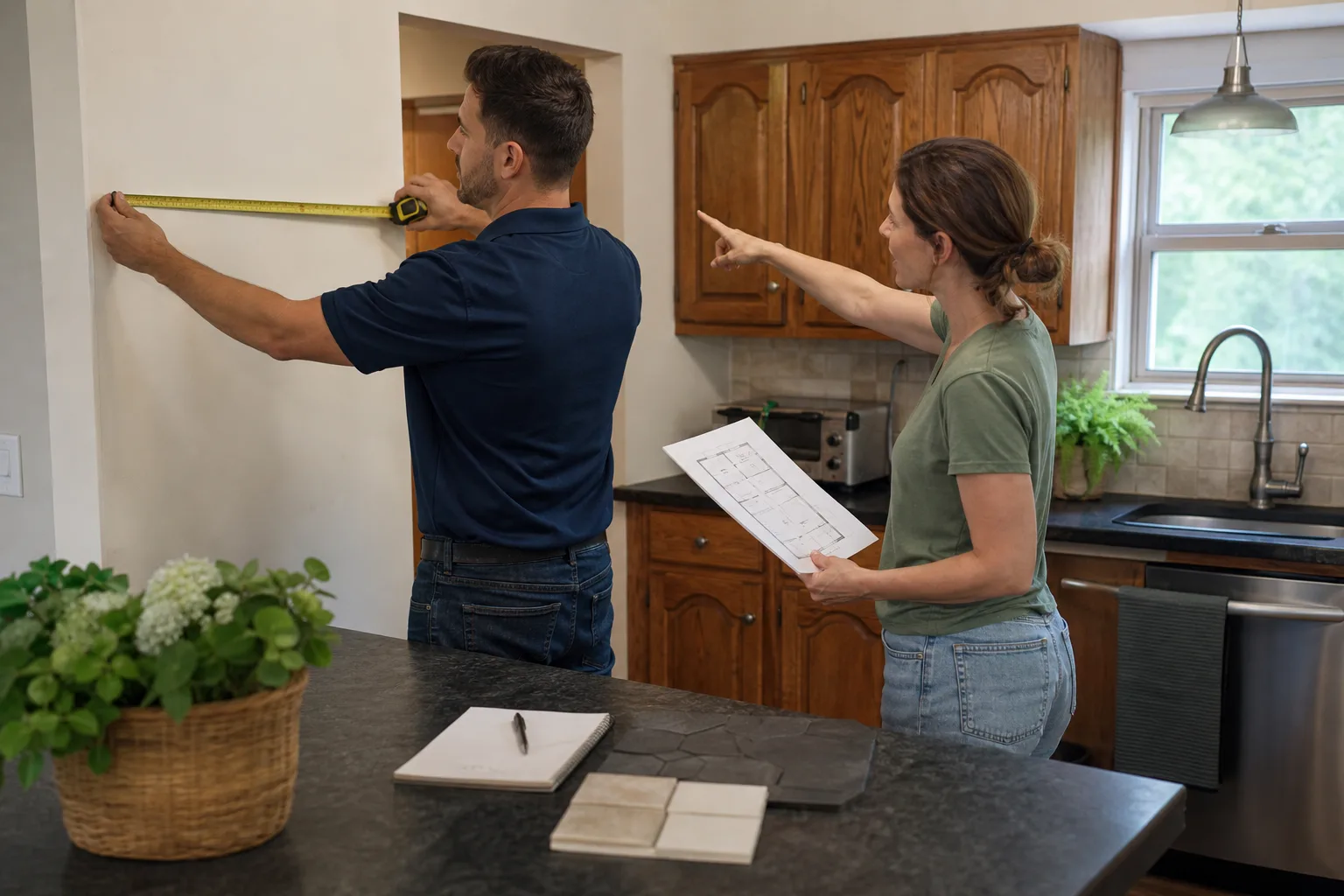
Before we agree to remodel a kitchen or open up a wall, we walk the house and look for the conditions that will turn a clean job into a dispute. These are pre-existing issues you never think to inspect because they’re behind stucco, under a threshold, or above a soffit. A by-the-book contractor flags them in writing before work begins. That’s not us being difficult, it’s how you avoid getting handed an invoice for damage that was already there.
Here’s what we look at, in the order we look at it:
- Window and door flashing. We probe the head flashing on the windward side of the house. If it’s backset or missing, water has been tracking behind the stucco for years. You’ll see the evidence on the interior drywall before you see it outside.
- Lintels and headers. Check for hairline cracks where the lintel meets masonry. In Winchester, thermal cycling opens these up and water gets in, then rust starts and the crack grows.
- Slab and stem-wall transitions. We tap along the base of the stucco for hollow sounds. That’s where the “weeping” cracks start in this climate.
- Roof-to-wall intersections. Every valley and every penetration gets checked. This is where most of the membrane failures show up, and it’s the first thing we write into the pre-existing condition report.
- Under-sink shutoffs and supply lines. A slow pinhole leak behind a cabinet base is invisible until you remodel and pull the boxes.
Our technicians have up to 22 years of experience reading these signs, and none of it is guesswork. It’s pattern recognition built on the same few failure points, over and over. If the pre-existing conditions get documented, the scope stays clean. If they don’t, somebody eats the cost, and it’s usually the homeowner.
Desert-Specific Maintenance: Stucco, Joints, and Roof Membranes
Winchester’s climate does two things to a house: it expands and contracts the envelope every day, and it pummels the roof with UV for most of the year. Stucco is supposed to move with that swing. When the control joints and expansion joints fail, the stucco doesn’t move gracefully, it cracks. And once it cracks, moisture finds the framing and the repair moves from a $400 patch to a five-figure stucco and framing job.
Stucco cracking. Hairline cracks under 1/16 inch are cosmetic and get sealed with elastomeric patching. Cracks wider than that, especially diagonal cracks running from a window corner, mean the substrate is moving and the crack needs to be cut open, backer rod inserted, and the joint re-sealed properly. We see this constantly on west- and south-facing walls around Winchester.
Expansion joint failure. Every 20 to 30 feet of stucco should have a vertical expansion joint. When the caulk in those joints dries out and pulls away (it will here, usually within 5 to 8 years), water gets behind the wall. Walk the perimeter twice a year and press a thumbnail into the caulk. If it’s brittle, it’s due.
Roof membrane degradation. A flat or low-slope roof membrane in Winchester takes more UV than a membrane in a wet climate and still has to shed the same rainfall in a shorter window. We inspect seams and flashings, not just the field. Tamko and Atlas single-ply and modified-bitumen products hold up better than bargain membranes, but none of them escape the sun forever.
If you’re already planning a larger exterior component of work, the crew that handles the general contractor in Winchester scope can fold these repairs into a documented plan instead of patching them piecemeal.
Seasonal Timing for Winchester’s Temperature Swings
National maintenance advice is useless here. A checklist written for a Midwest homeowner schedules gutter cleaning in late fall and assumes a wet spring. Winchester runs on a different calendar: daytime highs in the 90s and 100s for much of the summer, overnight lows that plunge in winter, and a freeze window that punishes anything holding water. Time the work to the swing and you get years more life out of every component.
- Early spring (February to March): Stucco inspection and caulk refresh. Expansion joints that dried all winter get re-sealed before the heat expands the wall. Roof inspection is best done now, before summer UV gets serious.
- Late spring (April to May): Exterior paint touch-up on sun-facing trim, window and door seal check, and irrigation/drainage swale clearing before monsoon-season moisture arrives.
- Summer (June to August): Interior work and inspection season. Anything that needs a scope and a written price is easier to plan now. Roof work on cool mornings only, and we don’t schedule membrane repairs on 105-degree afternoons for safety and material reasons.
- Fall (September to November): The second stucco walk, and the big one. Look for new cracks that opened over summer. Clear roof drains and scuppers before the first freeze.
- Winter (December to January): Freeze protection. Hose bibs, exposed supply lines, and any irrigation lines that weren’t blown out. Small cracks that hold water overnight will heave and get wider.
The two most useful maintenance visits of the year in Winchester are a spring stucco-and-roof walk and a fall freeze-protection walk. Everything else can hang off those two dates.
What Deferred Maintenance Voids on a Written Workmanship Guarantee
This section matters more than any other, because it’s where homeowners get surprised. A written workmanship guarantee is a real commitment, and Bradford backs every project with the 365-Day Done Right Promise: if the work fails within that year, we come back and correct it at no charge. But a guarantee covers our work, not a condition you let deteriorate before or during the project. Here’s how we draw the line, by category.
- Water intrusion from deferred roof or flashing repair. If we install a kitchen and a pre-existing roof leak wets the new cabinets, the guarantee on the cabinets doesn’t cover damage from a roof you were told to fix and didn’t. Document the flag, schedule the repair, keep the guarantee intact.
- Failed caulking or sealant at exterior penetrations. If a window seal we didn’t install fails and lets water into the wall we did finish, the resulting damage isn’t a workmanship failure. It’s a maintenance failure, and the fix bill belongs to the maintenance.
- Neglected HVAC condensate and supply lines. A slow pinhole leak in a line behind a finished wall is the nightmare scenario for any warranty. If you flagged the aging shutoff before the project and left it, that’s on the maintenance side.
- Structural movement that wasn’t disclosed. A foundation crack that we documented and you decided to defer is a known pre-existing condition. It stays your condition.
None of this is a loophole, it’s how workmanship guarantees stay honest. We put every price and every guarantee in writing before a single tool comes out, which means the boundary of what’s covered is also in writing. If it isn’t, the dispute starts with the invoice, and nobody wins that.
How to Document Pre-Existing Conditions Before Work Starts
The single most useful thing a homeowner can do before authorizing any remodel is build a pre-existing condition file. It protects you in a warranty dispute, it protects you when a warranty claim is denied, and it keeps the scope honest from day one. Here’s the method we use and recommend:
- Walk the house with the contractor and take dated photos of every flagged condition. Timestamp them. A photo of a cracked lintel dated the week before the crew arrives is worth more than any argument later.
- Get the pre-existing conditions written into the contract or the estimate as an addendum. Not a verbal note. A line-item entry with a price to repair or a written refusal to repair so both sides know the condition is exempt.
- Note who’s responsible for each flag. Somebody’s got to own the roof valley. Write the name down.
- Keep the file with your warranty paperwork. The 365-Day Done Right Promise covers what Bradford installed for a full year. The pre-existing condition file is the other half of that agreement.
If you’re planning an interior project and want the pre-existing conditions documented as part of the scope, that’s what the kitchen remodeling in Winchester and bathroom remodeling in Winchester teams do before any demo starts. You can also read more about how we run the whole-house side of the work on our Bradford Remodeling Co Winchester home page.
Interior Systems: Kitchens, Baths, and the Water Line
Interior maintenance gets less attention in a desert climate because leaks are less glamorous than stucco cracks. That’s a mistake. Winchester’s dry air pulls moisture out of wood, which means cabinet doors swell and stick in summer and shrink in winter, caulk joints in baths pull away from tile, and any slow water leak hides behind a cabinet base for months before it shows up as soft drywall in the room below.
Here’s what to check on the interior systems that a remodel touches:
- Bathroom supply lines and shutoffs. Age, not use, kills these. Check the date on the flexible supply line if you can see one; if you can’t, assume it’s the same age as the house unless a plumber has told you otherwise.
- Caulk joints in showers and tub surrounds. Press a fingernail into the caulk. If it’s hard and cracked, water is already behind the tile. That’s a repair, not a caulk job.
- Cabinet hinges and drawer slides. Seasonal wood movement means alignment issues in spring and fall. Tighten, then re-check in 60 days. If a cabinet is going to fail mechanically, it usually gives you a warning first.
- Door and window trim. Look for gaps where interior trim meets drywall. In this climate, that’s the first sign of house movement, and it’s the same movement that cracks stucco outside.
- Under-slab supply lines. A pressure drop you can’t explain, a water bill that creeps up, a warm spot on a slab floor. Any one of these means get a plumber before a remodel covers the issue.
We install KraftMaid and Wellborn cabinetry and Kohler and Moen fixtures because those manufacturers have specs and warranties that back the workmanship guarantee we put in writing. Traceable materials plus a written price plus a written guarantee is what “squared away” actually looks like at job close. Nothing leaves the site without the guarantee in the homeowner’s hand.
Common Mistakes to Avoid
- Skipping the pre-existing condition walk before signing the estimate. This is the one that costs the most money and causes the most disputes. If it isn’t in writing before work starts, you own it when the argument begins.
- Treating stucco cracks as cosmetic. Hairline cracks get sealed. Anything wider than 1/16 inch, or anything diagonal from a window corner, is a structural signal. Don’t paint over it, investigate it.
- Letting the second annual inspection slide. The fall freeze-protection walk is the one that catches the small stuff before winter makes it expensive. Homeowners who do the spring walk and skip the fall walk find the damage in spring.
- Assuming a workmanship guarantee covers deferred maintenance. The 365-Day Done Right Promise covers what Bradford installed. It doesn’t cover a roof you were told to repair and chose to defer. Read the boundary before you rely on the guarantee.
- Hiring on price alone without a written line-item quote. A verbal price is a conversation. A written price is a contract. A no-show contractor and a repriced invoice are usually the same contractor, and the cure is the written number before work starts.
- Not checking that trades are background-checked. Homeowners deserve to know who’s walking through their door before the crew arrives. If a contractor can’t tell you how that standard is enforced, that’s the answer.
- Underestimating summer UV on flashing and roof penetrations. Every vent boot and pipe collar in Winchester gets cooked for months. Inspect the penetrations, not just the field of the roof. Boral and PGT components installed with the right sealant behave much differently than the bargain-bin versions.
See the difference
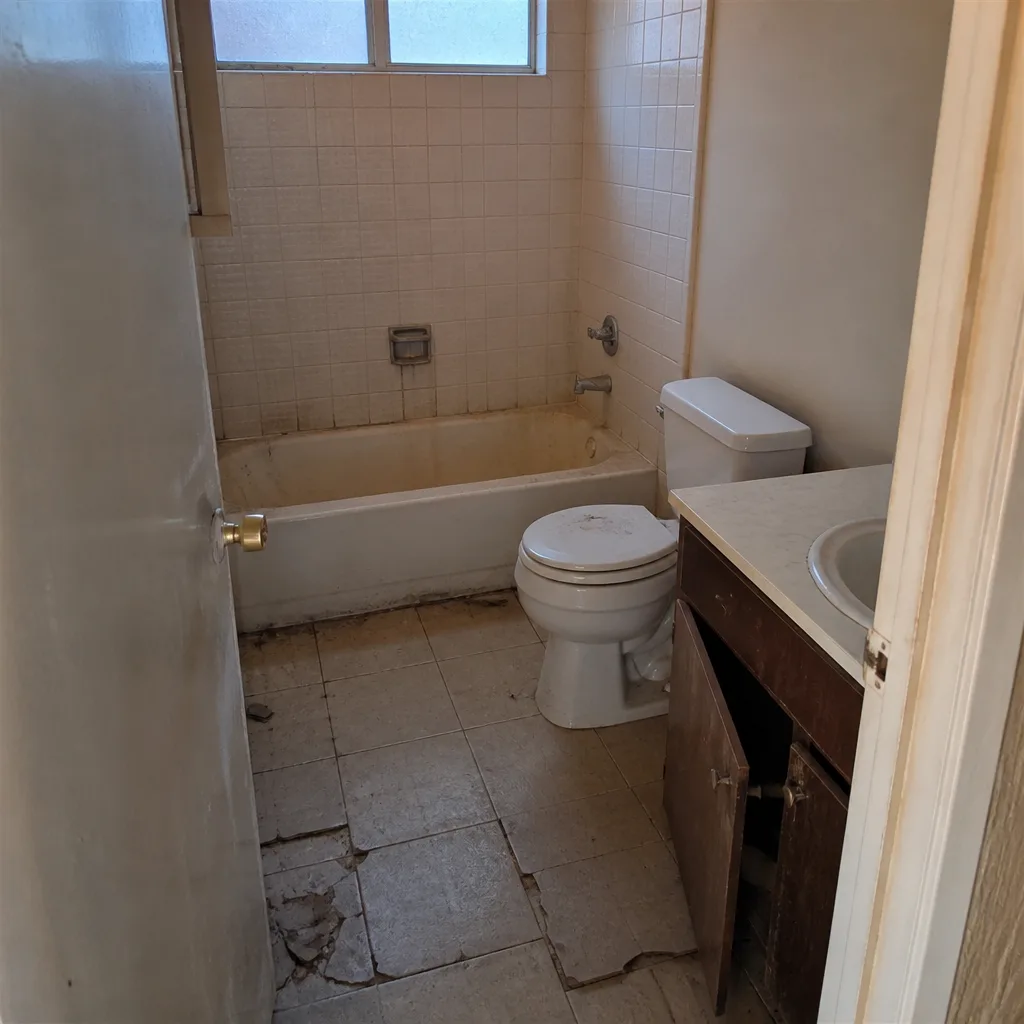 Before
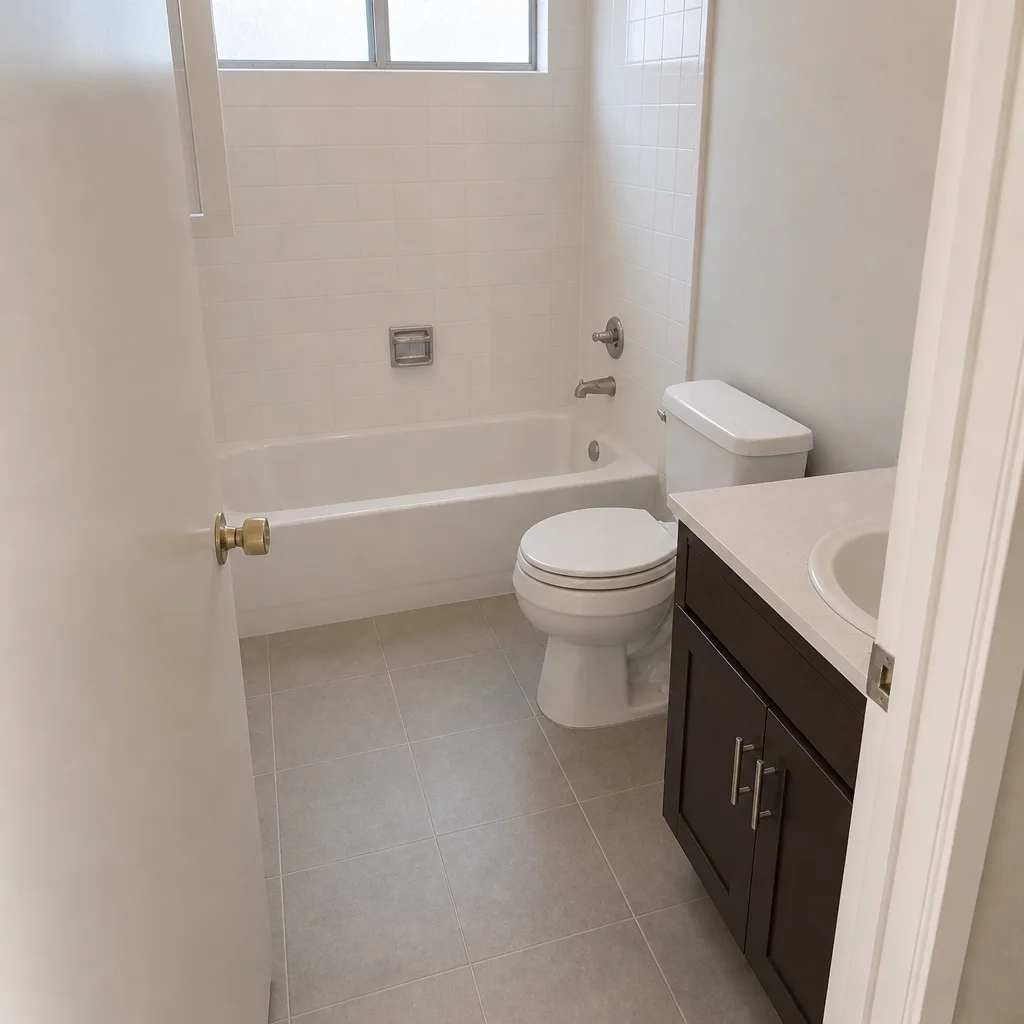 After
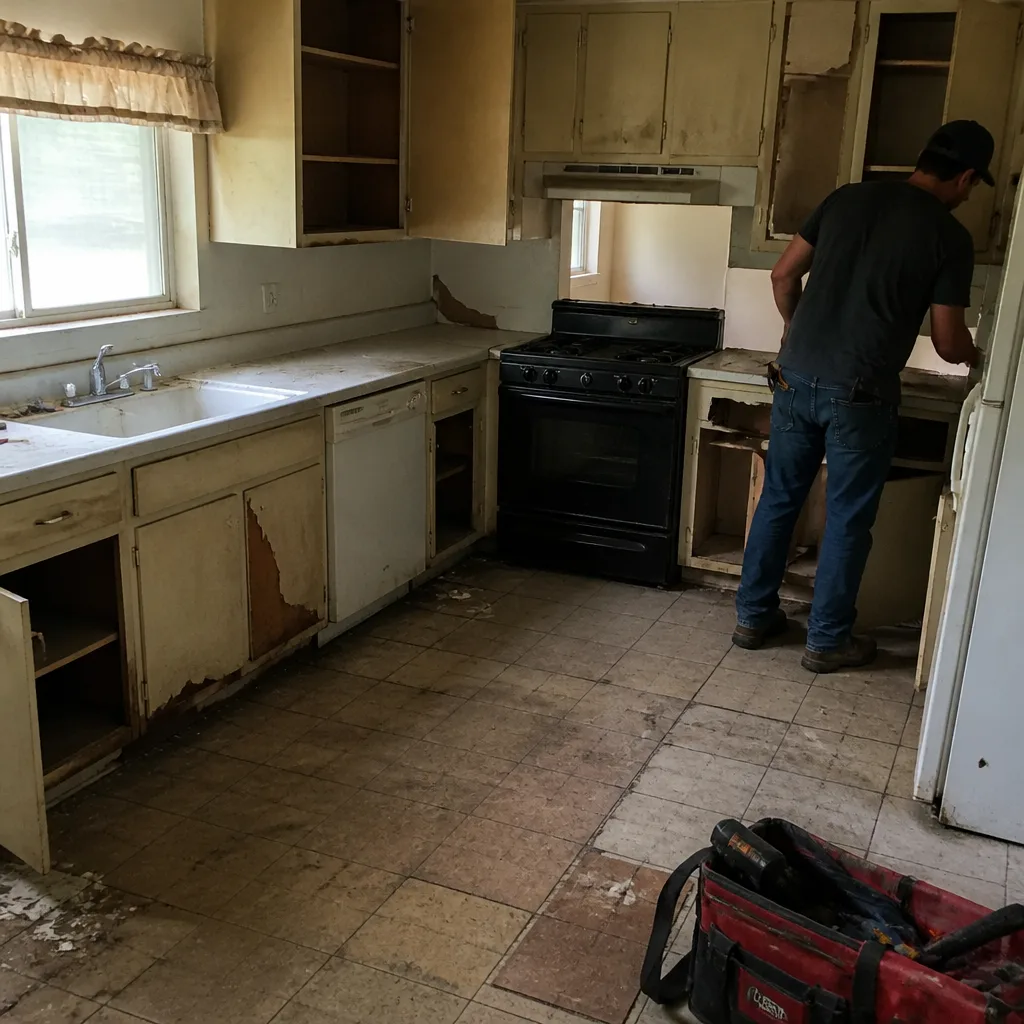 Before
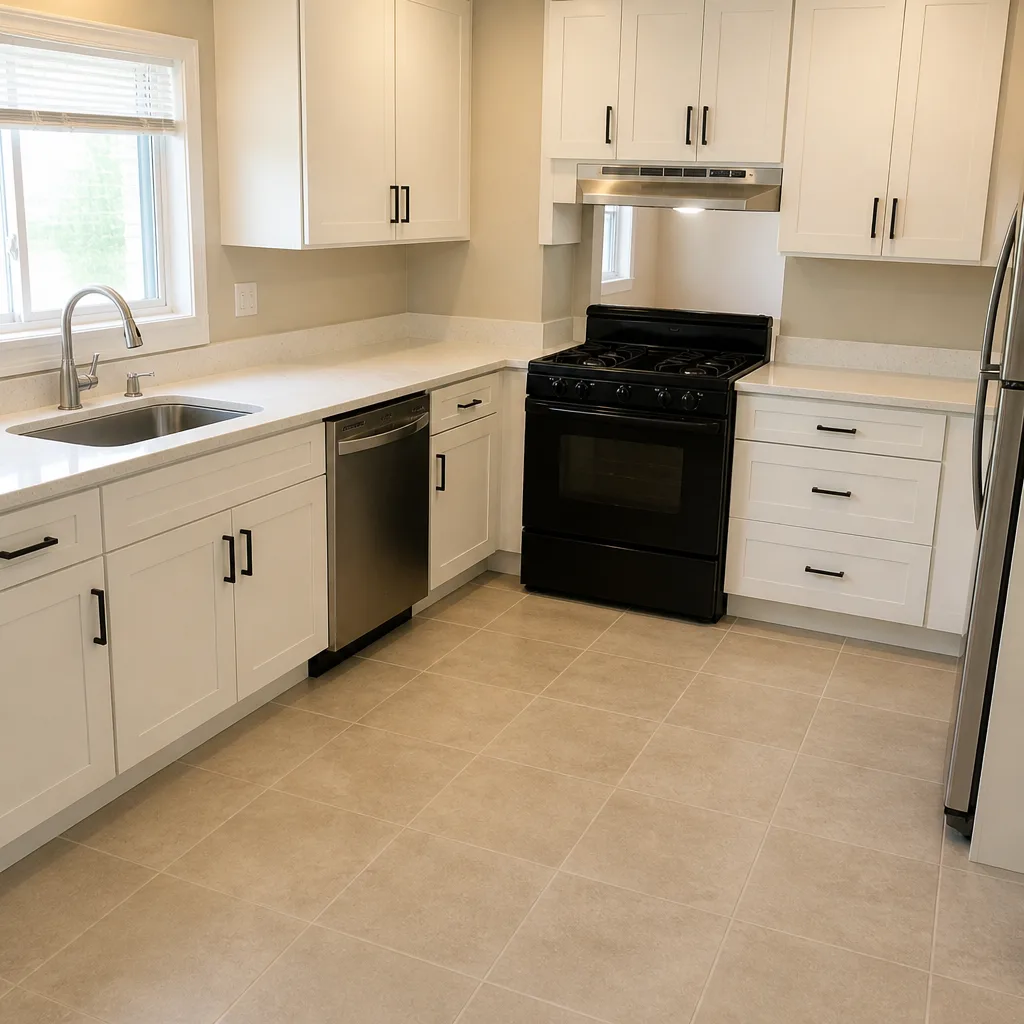 After
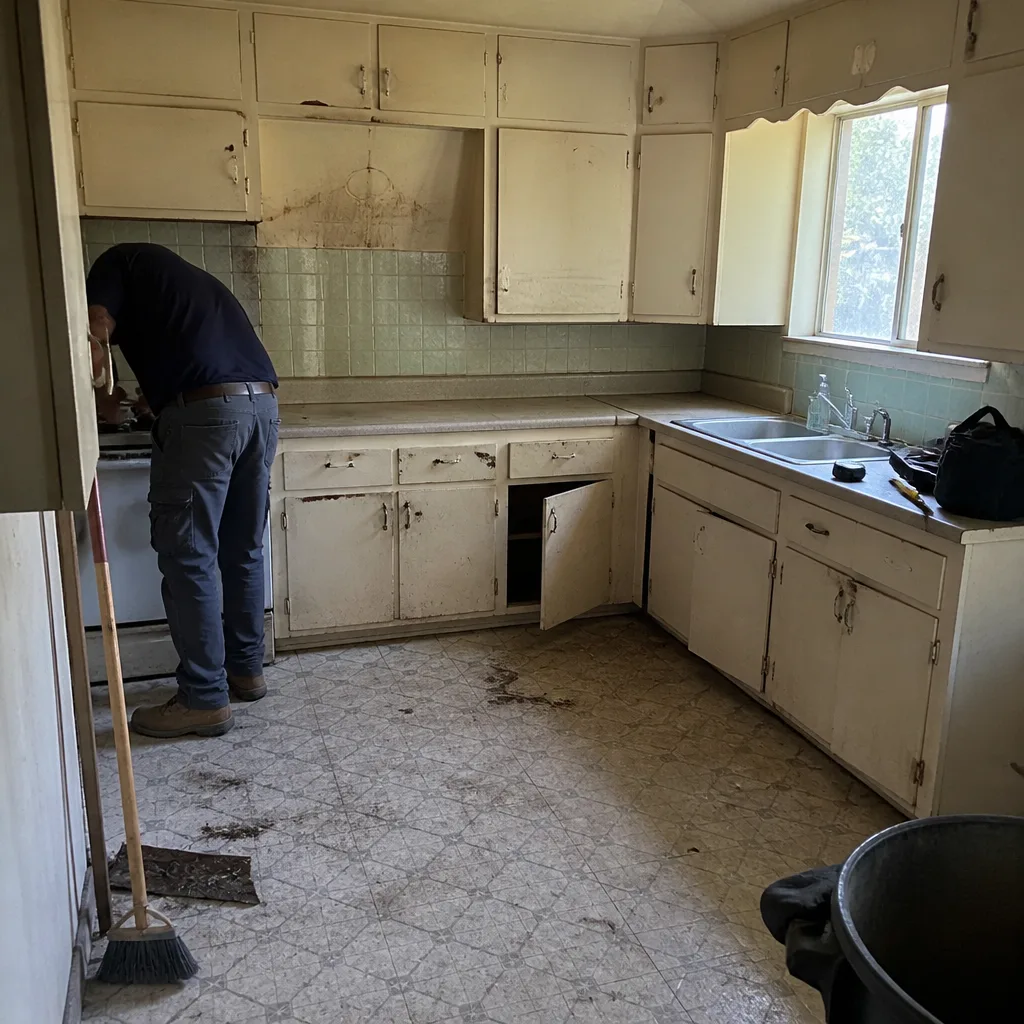 Before
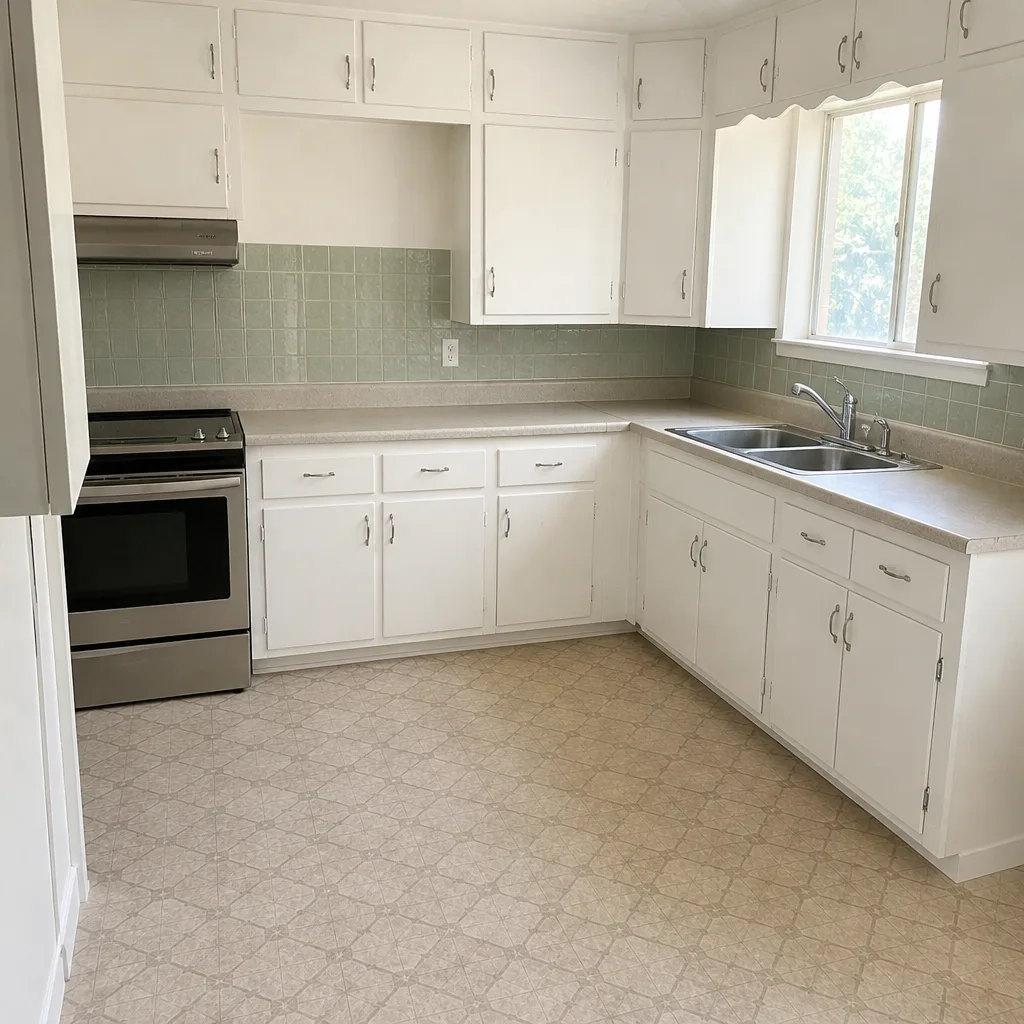 After
When to Call a Professional
Some tasks are homeowner work. Caulking a hairline crack is homeowner work. If you’re seeing any of the following, call a pro before you touch it: a diagonal crack in stucco that runs from a window or door corner; water staining on interior drywall near a window or a roof valley; any crack in the slab or stem wall; a pressure drop or unexplained water bill spike; a bathroom caulk joint that’s soft or sunken; a roof penetration that’s loose or missing its boot; or any structural connection you can’t see. Those are the conditions that move from maintenance into repair, and the difference between the two is the difference between a $400 patch and a five-figure fix. Bradford Remodeling Co Winchester offers free estimates in Winchester. Call (844) 972-4839 and a live person picks up.
Frequently Asked Questions
Hairline crack sealing runs roughly $300 to $600 for a typical single-story perimeter. Cracks wider than 1/16 inch that need to be cut, backed, and re-sealed run $800 to $1,800 depending on length and access. Call (844) 972-4839 for an exact quote on your stucco – estimates are free and come in writing.
Not if we walked the house first. Every price Bradford gives is a written line item before work begins, and the pre-existing condition report is part of that number. If a condition that couldn’t be seen without demo turns up during work, we stop and put the change in writing before touching it. No numbers that move at the door.
Only the portion of the guarantee tied to the deferred condition. The 365-Day Done Right Promise covers what Bradford installed for a full year; if an unfixed roof leak wets a new cabinet, the roof repair is on the maintenance side. Everything else on the project stays covered.
Twice a year: once in early spring before the heat expands the wall, and once in fall after summer has done its damage. The fall inspection is the one that catches cracks that opened over summer. Skip it and the first freeze widens them.
Yes. We install KraftMaid, Wellborn, Kohler, Moen, GAF, James Hardie, and Therma-Tru products, among others, so manufacturer specs and warranties back ours. Traceable materials plus a written price plus the 365-Day Done Right Promise is what we put in the homeowner’s hand at job close. Call (844) 972-4839 for a written estimate.
Often, yes. Stucco patching, flashing repair, and interior system fixes can usually be scoped into the same written price and the same guarantee as the remodel itself. The key is that we walk the house first and document the conditions before the estimate is written.
The Bottom Line

The maintenance checklist that actually matters in Winchester is short and seasonal: walk the stucco and roof every spring and fall, document everything you find with a date and a photo, and get the pre-existing conditions in writing before any contractor starts work. That file is what protects you during a warranty dispute, and it’s what keeps the scope honest from day one. Maintenance you skip becomes a repair you pay for. Maintenance you document becomes a condition you own on your terms. A written price, a documented scope, and a signed guarantee at job close is the difference between a remodel that holds and one that ends with an invoice argument. Bradford Remodeling Co Winchester is part of the Garrison Partners family, held to The Garrison Standard, and answers the phone with a live person 24 hours a day. Call (844) 972-4839 for a free estimate, and we’ll walk the house before we quote a number.
Written by the team at Bradford Remodeling Co Winchester.