Last updated November 18, 2026
Free written scope consultation - allowances, timeline, and change-order rules on paper before a single trade is scheduled
Choosing the Right Construction Brand: A Buyer’s Guide for Winchester
The roofing membrane that owns the Pacific Northwest market can fail early in Clark County’s UV index, because it was engineered for moisture resistance, not solar degradation. That’s the counterintuitive part of buying construction materials in Winchester: national reputation is not a performance spec. A brand that dominates in Seattle or Minneapolis may sit near the bottom of the list for a roof that takes 300-plus days of hard Nevada sun a year. This guide walks through how to read the ratings that actually matter here – solar reflectance, thermal cycling tolerance, SHGC and U-factor targets for our climate zone – and how to verify that what a contractor specifies is what arrives on the job site. By the end, you’ll know which product lines hold up in Winchester conditions and which are coasting on a reputation built somewhere else.
Styles & brands we work with
- Kitchen remodeling
- Bathroom remodeling
- Home additions & ADU
- Roofing
- Windows & doors
- Driveway & pavers
- Fence
Quick Answer
Choosing construction materials brands in Winchester should be driven by desert climate performance, not national market share. For roofing, prioritize products rated for high solar reflectance and UV degradation under ASTM G154 or G155 testing rather than moisture resistance alone. For windows and doors, target a solar heat gain coefficient (SHGC) in roughly the 0.23-0.30 range on west- and south-facing glass, paired with a low U-factor. For stucco and waterproofing, specify systems with documented elastomeric crack-bridging and thermal movement ratings, since Winchester’s day-night temperature swings stress rigid assemblies that would survive a mild coastal climate.
Table of Contents
- Why Winchester’s Climate Changes the Brand Decision
- Evaluating Roofing Products for Desert UV and Thermal Cycling
- Windows and Doors: SHGC and U-Factor Targets for This Climate Zone
- Stucco and Waterproofing: The Ratings That Matter in Winchester
- How Product Warranties Differ in Extreme Heat Climates
- Trade-Grade vs. Consumer-Grade: Where the Gap Actually Matters
- How to Verify a Contractor’s Material Spec Matches the Install
- Common Mistakes to Avoid
- When to Call a Professional
- Frequently Asked Questions
Why Winchester’s Climate Changes the Brand Decision
Winchester sits in the Mojave Desert transition zone, which means three things stress building materials harder than most of the country. First, UV exposure: our solar index runs high year-round, so anything on the exterior – roofing, paint, sealants, window frames – is degrading under conditions the manufacturer’s lab may have tested at a lower irradiance. Second, thermal cycling: summer days regularly swing 30 to 40 degrees Fahrenheit between afternoon high and overnight low, and that expansion-contraction cycle happens maybe 150 times a year. Materials that are dimensionally stable to 85°F but brittle at 45°F will crack, buckle, or delaminate in Winchester inside a few seasons.
Third, humidity is the inverse problem: it’s not that we don’t have moisture events, it’s that the substrate dries out so completely between them that sealants and caulks that are formulated for damp climates often cure too hard. A paintable sealant rated for wet-dry cycles in Portland may crack inside 18 months here.
What this means for brand selection in Winchester is that a product’s national reputation tells you almost nothing about its local performance. The trade publications and consumer review sites are full of praise for brands that were built for the Gulf Coast or the Pacific Northwest. You have to read the technical data sheet with our climate in mind. When we specify materials for Winchester projects, the first cut is always: was this product tested to the standards that actually map to our conditions?
Evaluating Roofing Products for Desert UV and Thermal Cycling
Roofing is where brand reputation and desert performance diverge the most. A shingle or membrane that’s sold on a “moisture resistance” story is answering a question Winchester homeowners don’t have. Our question is: how does this product hold up to sustained high irradiance and repeated thermal movement?
The ratings that matter in Winchester:
- Solar reflectance (SRI): a cool-roof rated shingle or membrane with a Solar Reflectance Index in the 20s or higher for steep-slope products helps with energy bills and reduces the surface temperature the product is degrading at. It’s not just a green feature – it literally slows thermal breakdown.
- UV degradation testing: look for documented ASTM G154 (fluorescent UV) or G155 (xenon-arc) exposure hours on the product data sheet. “UV-resistant” in marketing language means nothing; hours of tested exposure is a spec.
- Thermal cycling tolerance: products tested per ASTM D4799 or similar thermal-shock criteria will survive our day-night swing better than products designed for a temperate climate.
- Granule adhesion and asphalt formulation: on asphalt shingles, look at the manufacturer’s thickness and granule-loss warranty terms. In high-UV climates, granule loss is the failure mode that voids a shingle early.
- Metal roofing: standing-seam metal is one of the strongest performers in Clark County’s climate because it moves predictably with thermal expansion and holds reflectance when coated with a Kynar 500 or Hylar 5000 finish. The coating spec matters more than the metal gauge alone.
When we work with Winchester homeowners on a re-roof, we start the conversation with the data sheet, not the brochure. If the manufacturer can’t produce UV-exposure testing and thermal-cycle data for the specific product line, we don’t put it on a Winchester roof. Our general contractor in Winchester service handles this spec work as a standard part of scope.
Windows and Doors: SHGC and U-Factor Targets for This Climate Zone
In a heating-dominated climate like Minnesota, you want high solar heat gain to help warm the house. In Winchester, the calculation flips.
The U.S. Department of Energy’s climate zone map puts Las Vegas and the surrounding area in Climate Zone 3 (hot-dry). That means your window spec should prioritize reducing solar heat gain on west- and south-facing glass, while keeping a reasonable U-factor for our modest winter heating load. Here are the targets we specify on Winchester projects:
- SHGC (solar heat gain coefficient): target 0.23 to 0.30 on west- and south-facing glazing. Above 0.35 and your afternoon cooling load climbs fast.
- U-factor: 0.32 to 0.40 is the right zone for double-pane low-e in this climate. A triple-pane spec is overkill on cost in Winchester; money is better spent on the SHGC and the frame thermal break.
- Frame material: vinyl frames are the value workhorse; fiberglass is more thermally stable in high heat; aluminum frames need a thermal break or they’ll conduct heat into the wall like a radiator.
- Hinged exterior doors: Therma-Tru fiberglass door slabs are the preference for our climate; they won’t warp or take moisture like wood, and their finish systems are rated for sustained UV exposure.
- Glass coatings: a low-e coating with a warm-edge spacer is standard; the spec to verify is the specific coating stack, because some coatings block UV but at the cost of visible clarity. Ask for the manufacturer’s SHGC on the specific glass package, not the general product line.
The right window brand is the one whose data sheet has a hot-dry climate line item, not the brand whose ad runs on prime-time TV. Our bathroom remodeling in Winchester work depends on this too – a bathroom window with the wrong SHGC makes the room unusable in July no matter how good the tile is.
Stucco and Waterproofing: The Ratings That Matter in Winchester
Stucco is the default exterior finish here, and a huge percentage of Clark County stucco failures trace back to two things: incorrect elastomeric coating spec, and a waterproofing system designed for wet climates that cracks under our thermal movement. A Stucco Manufacturers Association-accredited product isn’t the issue; the grade of the product is.
What to specify in Winchester:
- Three-coat or one-coat system with a code-compliant drainage plane (a weather-resistive barrier behind the lath). This matters more than brand on the front end.
- Elastomeric finish coating rated for at least 400% elongation at 70°F, tested per ASTM C836 or C1534. This is the spec that lets the coating move with the substrate through our day-night swing.
- UV-stable color topcoat, not standard acrylic paint. Sherwin-Williams’ Loxon line and similar elastomerics are correctly specified products for Winchester exteriors; standard builders’ paint isn’t.
- Flashing integration at window heads and door openings per code, using a self-adhering membrane rated for high-heat exposure (look for a 240°F+ service temperature line on the datasheet).
On waterproofing below grade and at wet locations, hot-dry climates present the odd problem that surfaces dry out so completely that a product designed for continuous dampness can cure incorrectly. Confirm the manufacturer’s data sheet lists hot-dry climate service – not just “wet” or “damp” service.
How Product Warranties Differ in Extreme Heat Climates
Every manufacturer warranty you’ll see has three numbers on it. Homeowners tend to focus on the biggest letter – the year count. The number that actually protects you in Winchester is the coverage clause, not the term.
What differs in extreme-heat climates:
- Temperature-exclusion clauses: some shingle and membrane warranties exclude failure “when surface temperatures exceed X°F,” a clause that quiet-excludes failure inside a hot-dry climate. Read the exclusion section, not the headline.
- Color-dependent coverage: dark shingle and paint colors carry shorter warranties in high-UV markets because the surface temperature is higher, accelerating degradation. Same brand, same line, different warranty term based on color.
- Installation certification requirements: most full-coverage warranties on shingles, windows, and stucco systems require installation by a manufacturer-certified installer. If your contractor isn’t certified for that specific product line, you may get a materials-only warranty rather than a no-dollar-limit one. That’s the gap that bites homeowners in Winchester.
- Registered vs. unregistered coverage: many extended warranties require the homeowner to register the product within 30 or 60 days of install. If nobody on the crew hands you the registration paperwork, the warranty may default to a shorter term.
The 365-Day Done Right Promise at Bradford Remodeling Co Winchester sits on top of the manufacturer warranty, not in place of it: if the installation fails inside the first year for any reason under our scope, we return and correct it at no charge, and you have that commitment in writing before we start.
Trade-Grade vs. Consumer-Grade: Where the Gap Actually Matters
Big-box stores and trade suppliers both sell products stamped with the same brand logo. They are often not the same product. Here’s where the gap is material for a Winchester remodel, and where it isn’t.
Where trade-grade matters:
- Cabinetry. A KraftMaid or Wellborn cabinet bought through a dealer network is spec’d with a specific box construction, drawer glide, and finish process. The “contractor grade” version of the same line at a home center may use a different drawer box and a thinner finish that fails in a low-humidity climate where finish adhesion is more stressed. Ask for the specific model code and pull the spec sheet.
- Fixtures. A Kohler or Moen faucet sold through a plumbing wholesaler often has all-metal internals; the matched consumer version at a big-box store may use polymer internals built to hit a price point. In Winchester’s hard water, cartridge durability is the difference between a five-year faucet and a fifteen-year one.
- Doors. A Therma-Tru door through the dealer channel gives you the specific slab, threshold, and weatherstripping package rated for the climate. The off-the-shelf version is generally the same quality but in a narrower set of sizes and finish options.
- Roofing. A GAF, CertainTeed, or Owens Corning architectural shingle sold through the trade channel typically has the full granule spec; the “promotional grade” sold at a discount carries slightly less weight per square.
Where it doesn’t matter much:
Standard lumber, drywall, and basic fasteners are commodity products – the brand is less important than the grade and the conditioning (drywall stored flat on a level surface, lumber not warped when it arrives). Paint is somewhere in the middle: the trade-grade version of a brand like Sherwin-Williams is worth the upcharge for exterior work in Winchester, but not for interior closet storage.
Our general contractor work on Winchester remodels always specifies trade-grade materials on cabinetry, fixtures, and roofing, and we provide the manufacturer product data sheet for each line item in the submittal.
How to Verify a Contractor’s Material Spec Matches the Install
This is where most homeowners get burned – not on the choice of brand, but on the gap between what the proposal said and what actually shows up on the truck. In Winchester we’ve seen projects spec’d with a named window line and installed with a slightly different model number that carries a lower SHGC rating. Here’s the paper trail that closes that gap.
- Get a line-item spec sheet in the proposal. Not “Therma-Tru door” but the model number, the glass package, and the finish. A written price before work starts should come with written specs, always.
- Ask for the submittal package. On any project over a few thousand dollars, the contractor should hand you manufacturer product data sheets for all specified products before the order is placed. If they don’t have them, they’re not reading the spec.
- Match model codes at delivery. Before materials go in, cross-check the model number on the box against the model number on the submittal. This is normal practice; a contractor who resists it is telling you something.
- Confirm installer certification. For warranty-critical systems – stucco, roofing, windows – verify the installer’s certification with the manufacturer, because full-coverage warranty terms depend on it.
- Photograph the packaging at install. A five-minute step at delivery, and the fastest way to resolve any future warranty claim.
Our team runs this verification on every Winchester project as part of Bradford Remodeling Co Winchester home scope. If your contractor won’t do this, ask them why.
Common Mistakes to Avoid
- Buying on national reputation without checking the climate zone. A brand that owns the Pacific Northwest roofing market was engineered for moisture resistance, not UV degradation. Always confirm the product was tested to ASTM G154 or G155 and has hot-dry service listed on the data sheet.
- Skipping the SHGC on west-facing windows. In Winchester, a west window with an SHGC of 0.45 will cook the room from 2pm until sundown for nine months a year. Check the SHGC per glass package, not the marketing line.
- Specifying a national-brand stucco finish without a hot-dry climate formulation. The finish coat needs to be rated for 400% elongation at 70°F, tested to ASTM C836, or it cracks inside a few thermal cycles in Clark County.
- Accepting a materials-only warranty in place of a full-coverage warranty. If the installer isn’t certified for the specific product line, the warranty term shrinks, and the change is easy to miss in the fine print.
- Reading the year count on the warranty and skipping the exclusions. Temperature-limit exclusions quietly remove coverage in hot-dry climates. Read the exclusions section.
- Not verifying trade-grade vs. consumer-grade specs at delivery. The brand on the box is the same; the drawer glide and the finish underneath is not. Check model codes against the submittal at install.
- Letting the contractor order materials without a written spec sheet. In Winchester, the most expensive mistakes on a remodel aren’t labor or design – they’re the wrong materials installed correctly.
When to Call a Professional
Material selection looks like a catalog exercise until you’re weighing a dozen product data sheets against a real building assembly. For a single window replacement, you can often handle the spec yourself; for a full re-roof, an exterior repaint, or any project where the product line matters to your warranty, the professional conversation is faster and less expensive in the long run. The point to call a contractor in Winchester is when the question stops being “which brand” and starts being “which specific product model in this brand, and does it match the climate zone.” That’s spec work, and it’s where DIY selection goes wrong. Bradford Remodeling Co Winchester offers free estimates in Winchester and walks through the actual model numbers with you before any price is quoted – call (844) 972-4839.
Frequently Asked Questions
Standing-seam metal roofing with a Kynar 500 or Hylar 5000 finish is generally the strongest performer in Winchester’s climate because it moves predictably with thermal expansion and holds solar reflectance through many UV cycles. A close second on asphalt shingles is a cool-roof rated architectural shingle with documented ASTM G154 UV exposure hours and a granule-loss warranty that isn’t cut short for dark colors. Call (844) 972-4839 for an exact quote on your specific roof – estimates are free.
A solar heat gain coefficient (SHGC) of roughly 0.23 to 0.30 on west- and south-facing glass is the right target for Winchester, paired with a U-factor in the 0.32 to 0.40 range. Above 0.35 SHGC and you’ll pay for it in summer cooling bills.
No – the finish coating spec matters more than the base coat brand for Winchester’s climate, because the finish coat is what takes the thermal cycling. A correctly applied three-coat system with a standard base coat will outperform a premium base coat with a paint-grade finish every time. Look for 400% elongation at 70°F, tested per ASTM C836.
Ask for the manufacturer submittal package before materials are ordered, then cross-check the model number on the box against the submittal at delivery. This is a normal step; a contractor who won’t produce the submittal or match model codes is telling you something about how they run.
Often not at full coverage. Most full-coverage manufacturer warranties require installation by a manufacturer-certified installer; if your contractor isn’t certified for the specific product line, you may receive a materials-only warranty with limited labor coverage. Confirm certification before the spec is finalized. Bradford Remodeling Co Winchester verifies installer certification for every system we spec.
Yes on cabinetry, fixtures, doors, and roofing, where construction and finish quality differ. For commodity items like standard lumber, drywall, and basic fasteners, the brand matters less than the grade and how it’s stored. Call (844) 972-4839 for an exact quote on your Winchester project – estimates are free.
The Bottom Line
Choosing construction materials in Winchester is a climate performance question, not a brand loyalty question. Read UV exposure hours, SHGC and U-factor targets for hot-dry climate zone, elastomeric elongation ratings, and warranty exclusions before you read marketing. Trade-grade versions of the brands you already trust – KraftMaid, Therma-Tru, GAF, James Hardie, Kohler – will outperform their consumer-grade counterparts on the projects where construction quality actually shows through. And every material spec should be documented in a written submittal that you can verify at the job site. If your contractor can’t hand you a product data sheet and match model codes at delivery, that’s the sign. Get the material spec in writing before any work starts, and call (844) 972-4839 for a free estimate when you’re ready to build it into a real project.
Written by the team at Bradford Remodeling Co Winchester.
See the difference
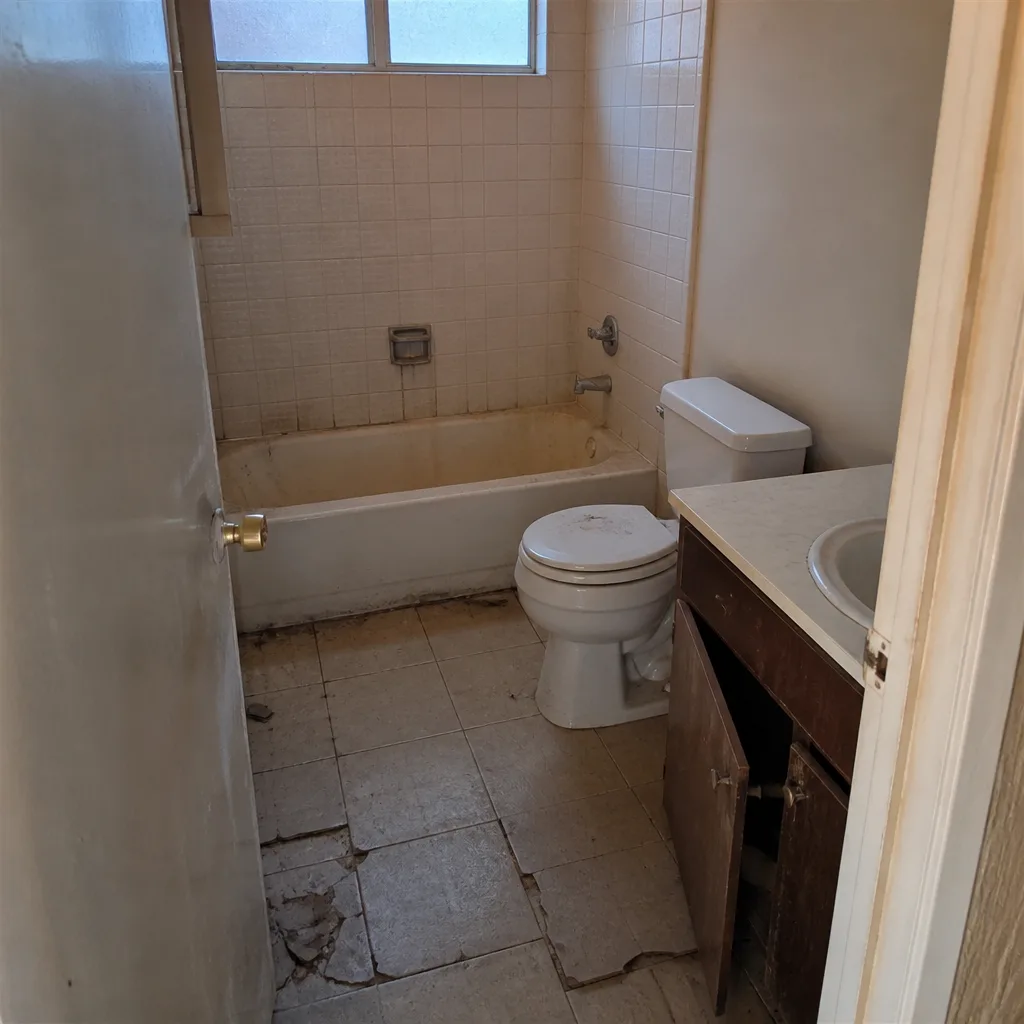 Before
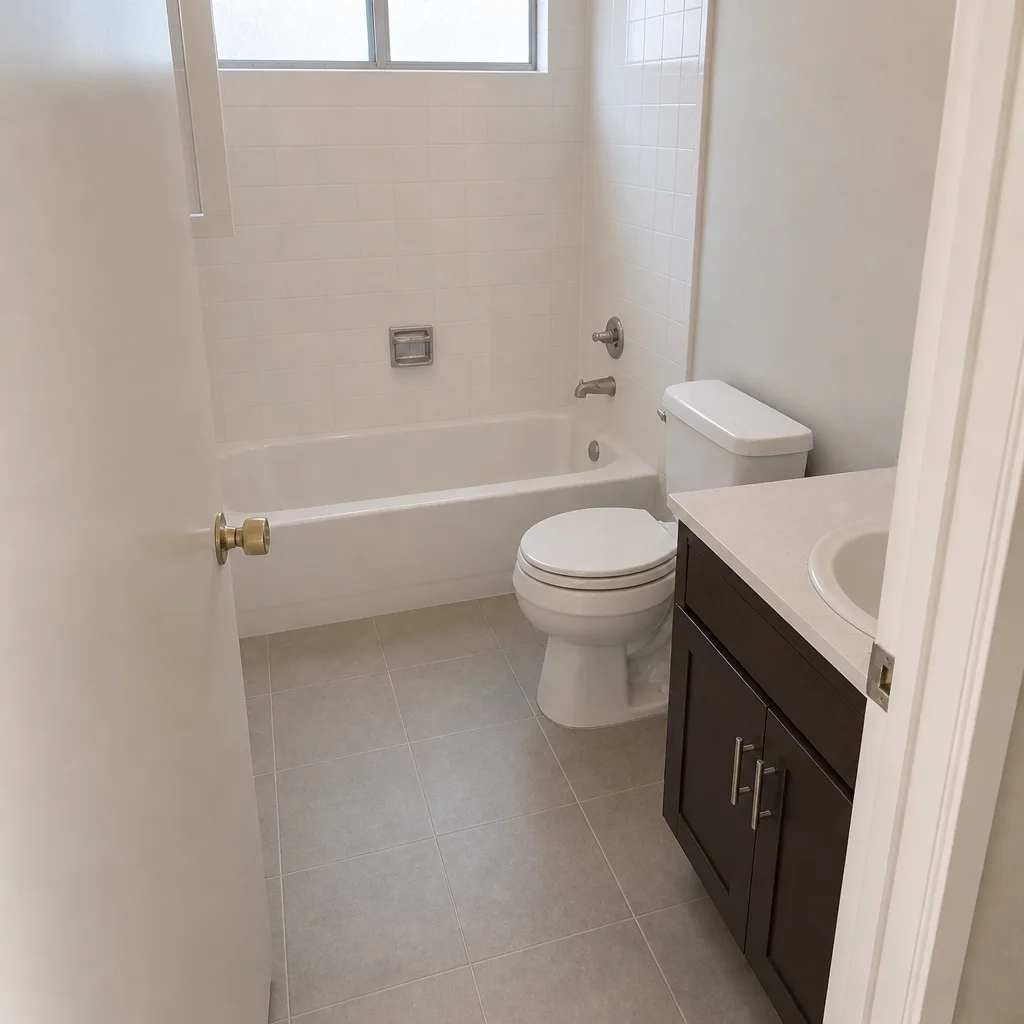 After
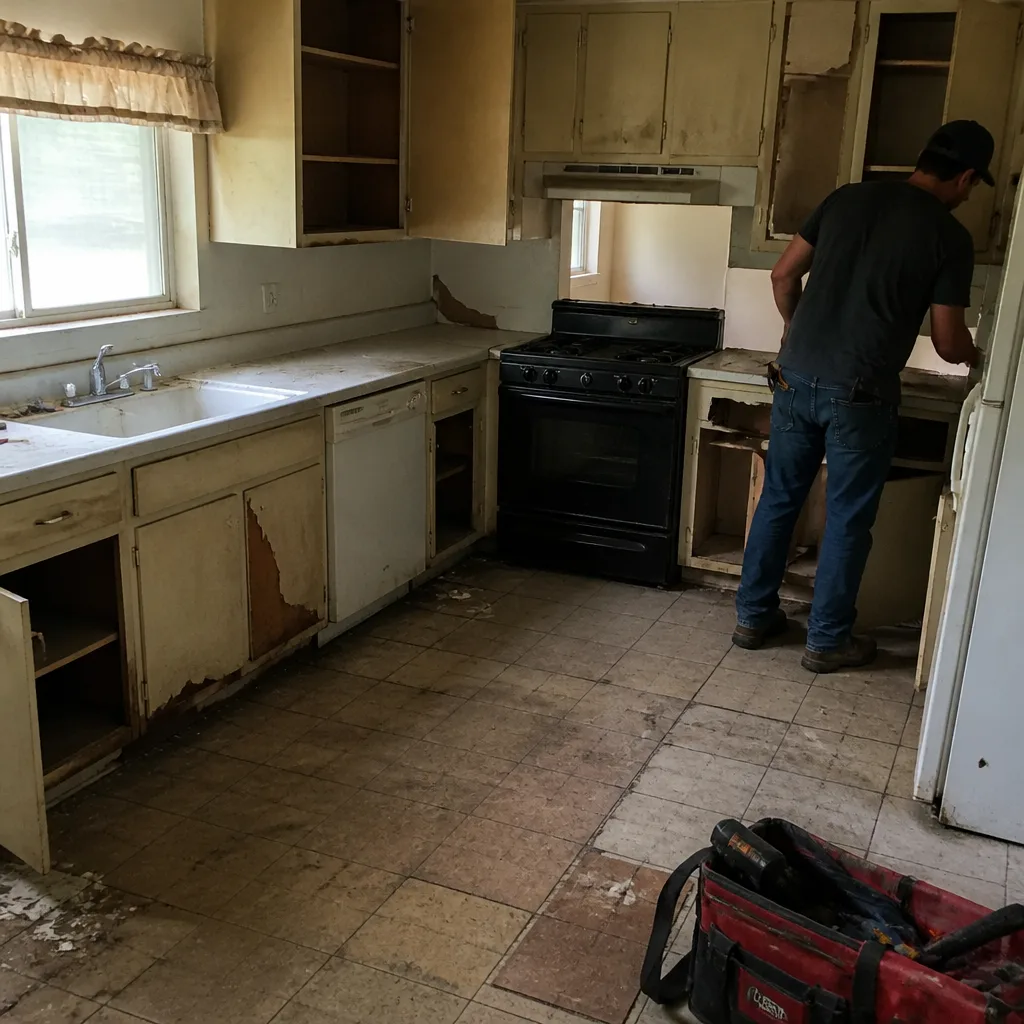 Before
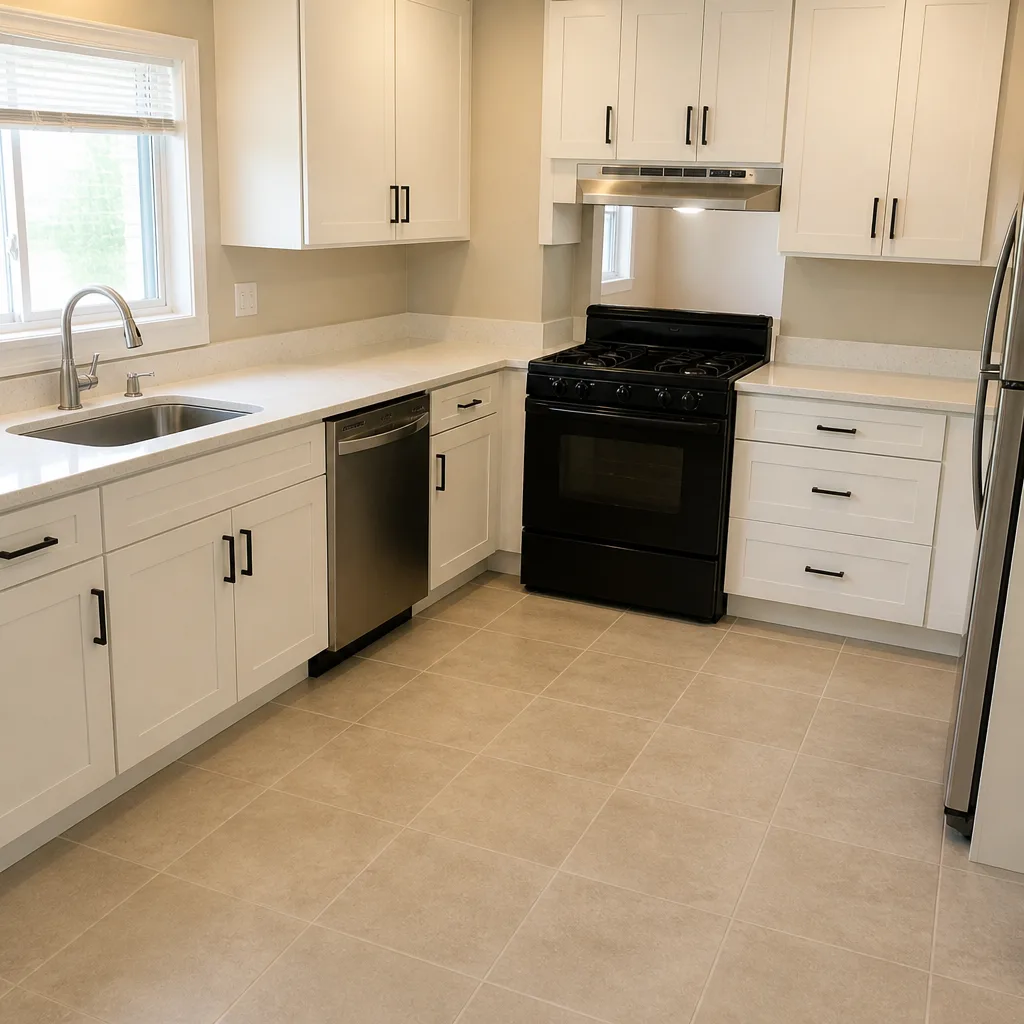 After
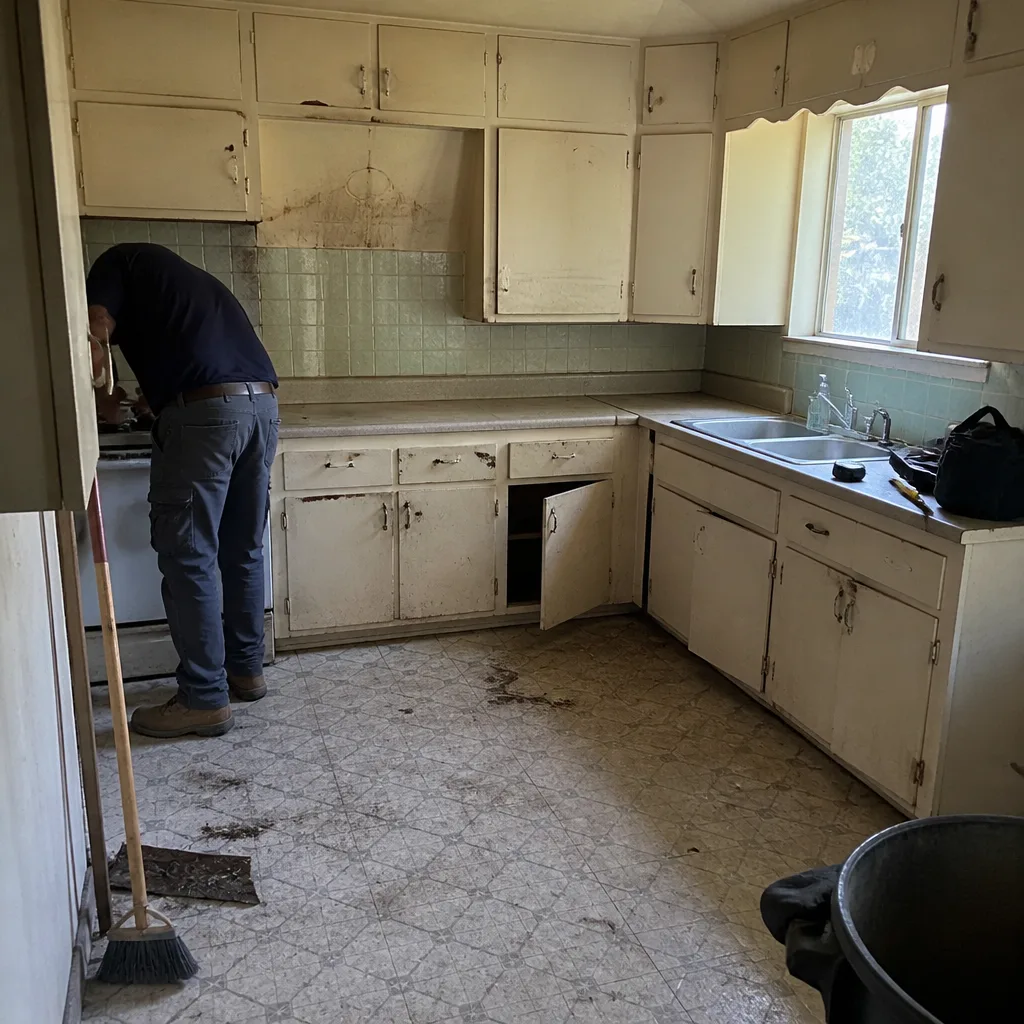 Before
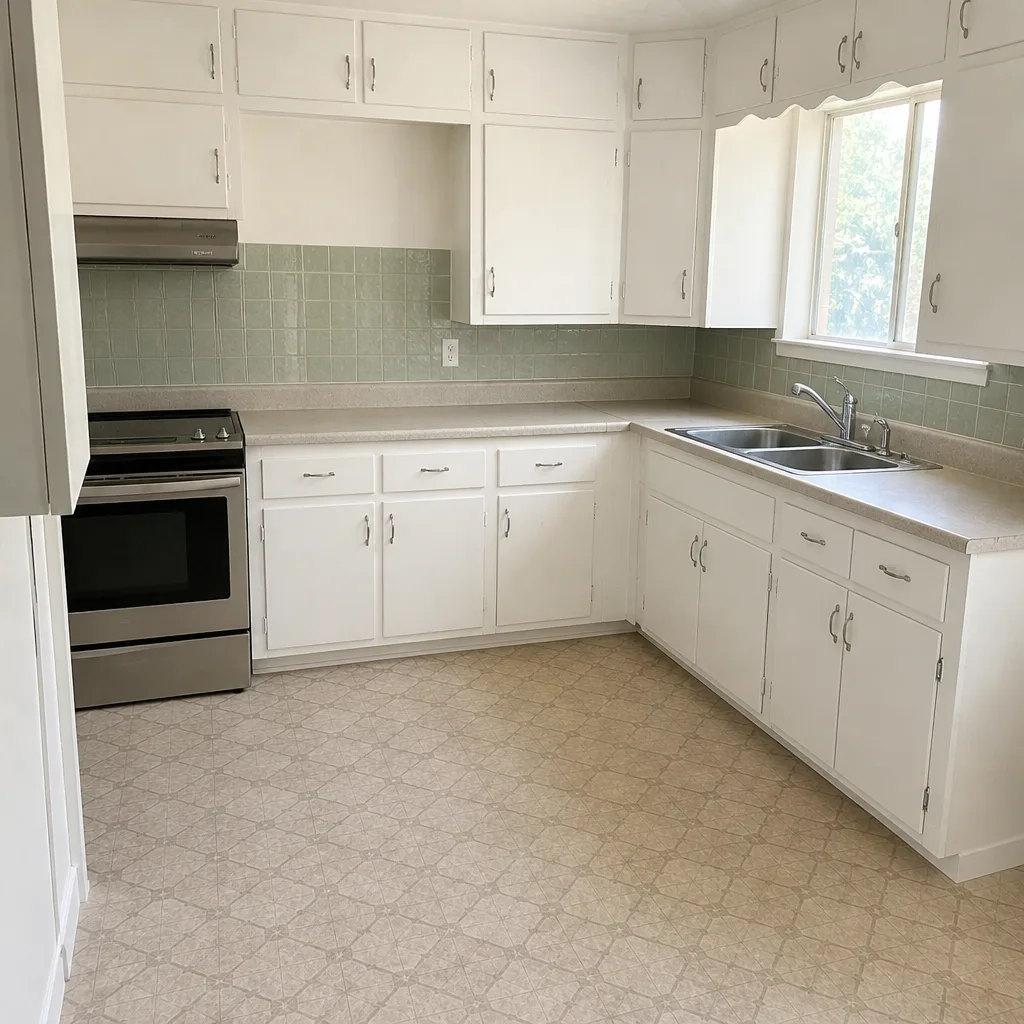 After