Last updated November 18, 2026






Free written scope consultation - allowances, timeline, and change-order rules on paper before a single trade is scheduled
Home Remodeling Warning Signs Every Homeowner Should Know
A contractor who doesn’t pull a permit isn’t just cutting a corner. In Nevada, the homeowner becomes legally responsible for the unpermitted work, including the cost of opening walls for inspection if the property is ever sold or refinanced. That single fact sits at the center of this guide because it shows how the danger usually hides in plain sight. Most warning-sign articles stop at the hiring stage. This one keeps going. We’ll walk through what to watch for before you hire, during the job when you feel locked in, and after the crew leaves when problems start to surface. If you own a home in Winchester, Nevada, you’ll recognize a few of these situations already.
Quick Answer
The biggest home remodeling warning signs are verbal-only pricing, no written scope of work, pressure to pay more than 10% upfront, work happening out of sequence, missing inspections, and finish work that covers rough-in problems. In Nevada, unpermitted work transfers the legal liability to you, the homeowner. A legitimate contractor puts the price, the scope, the warranty, and the permit responsibility in writing before any tool comes out.
Styles & brands we work with
- Kitchen remodeling
- Bathroom remodeling
- Home additions & ADU
- Roofing
- Windows & doors
- Driveway & pavers
- Fence
Table of Contents
Warning Signs Before You Hire

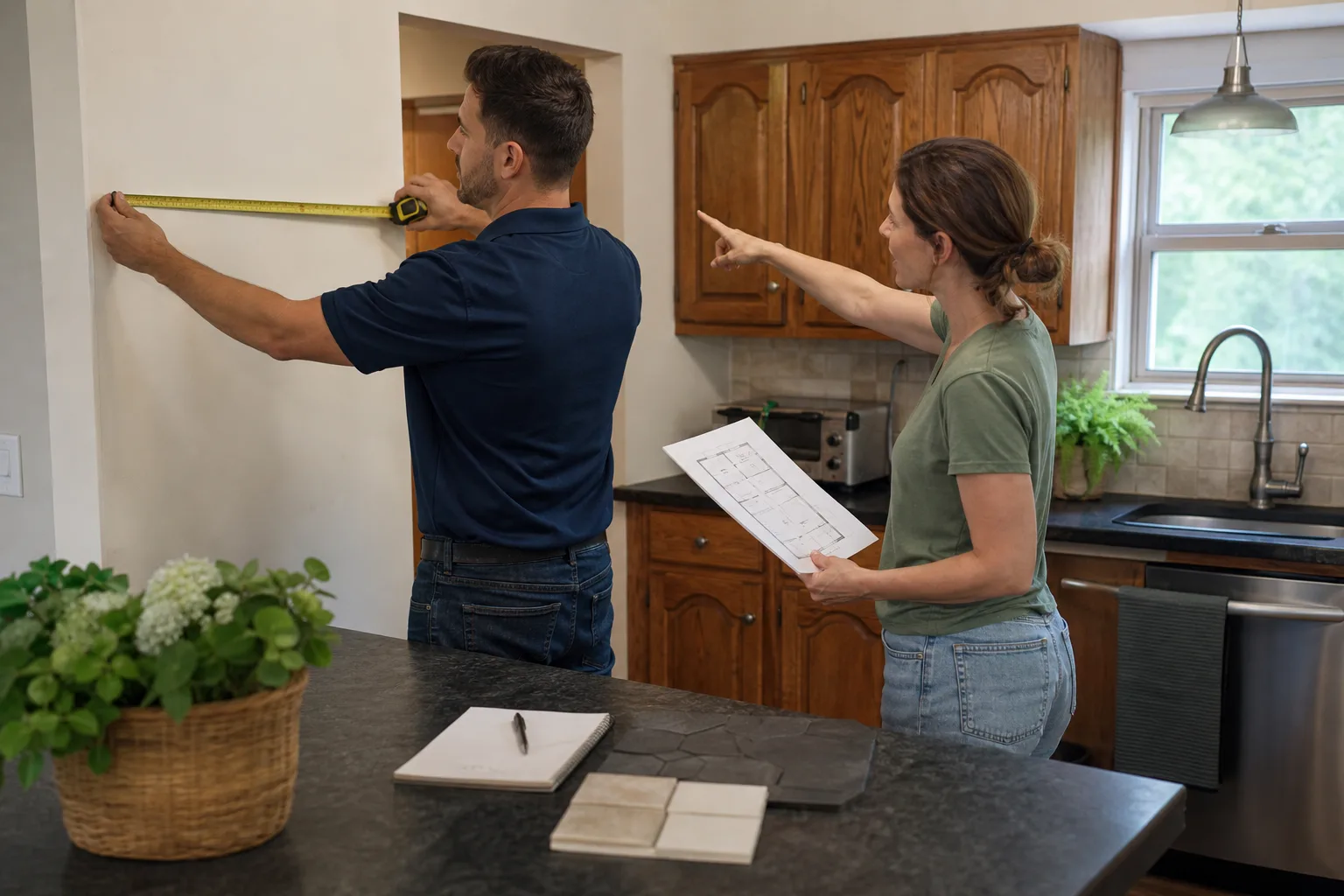
We’ve walked into homes in Winchester where the previous crew left a project half-finished and the homeowner had nothing in writing to enforce. The signs were there before the first invoice. Here’s what we tell people to look for in the estimate phase.
Verbal-only pricing. If a contractor says “$20,000 or so” and never puts a dollar figure on paper, that number moves. It moves at the door when the crew shows up. A real written price comes as a line-item document: demolition, framing, drywall, cabinetry, countertops, fixtures, finish, permit fees. Get the number in dollars, not “ballpark.”
No written scope of work. The scope is the sentence-by-sentence description of what’s included and excluded. If the contract doesn’t say “KraftMaid cabinetry in the Kingston door style” or “Cambria quartz at 3cm thickness,” you don’t know what’s being installed. Your kitchen remodeling in Winchester contract should name brands and model lines, not just “premium cabinetry.”
Vague warranty language. “We stand behind our work” isn’t a warranty. A warranty names the coverage period, what’s covered (labor, materials, or both), and the remedy (repair, replacement, refund). It also names who performs the fix and how to file a claim.
Pressure to pay more than 10% upfront. Nevada limits contractor deposits. If someone asks for 50% down before the permit is even filed, that’s a red flag the size of a garage door.
No permit discussion. If a contractor tells you a full kitchen remodel in Winchester doesn’t need a permit, that’s wrong. Permits go through the City of Winchester and Clark County depending on the address. A contractor who avoids permits is avoiding inspection.
The Deposit Rule in Nevada
Nevada Revised Statutes limit how much a licensed contractor can collect as a down payment on a residential project. For most residential remodels, the deposit may not exceed 10% of the total contract price or $1,000, whichever is less, as of the date the contract is signed. That statute exists for one reason: it keeps your money from funding a job that never finishes.
The practical rule:
- Ask for the total contract price in writing before you sign anything.
- Confirm the deposit is no more than the statutory limit based on that price.
- Refuse any “mobilization fee” or “materials hold” that operates as a second deposit.
- Request that remaining payments be tied to defined milestones, not calendar dates. Percentages should reflect actual work completed.
- Get a final payment hold at close, typically 10%, released after your walkthrough and the final inspection sign-off.
We put every price in writing before work starts. Not a range. A number. That’s the first line of general contractor in Winchester discipline – the price you see at signing is the price you see at the end, unless you asked for a change in writing.
Warning Signs During the Job

Once work begins, homeowners tend to stop watching. That’s understandable. But the middle of a project is when the signals that predict post-completion problems first appear. Here’s what to watch for.
Work happening out of sequence. In a kitchen remodel, the order matters: demo, rough framing, rough plumbing, rough electrical, inspections, insulation, drywall, cabinetry, countertop template, finish plumbing, finish electrical, paint, punch list. If you see drywall going up before rough-in inspections happen, someone is hiding something behind the walls. Ask what inspections have been completed and ask to see the stickers or paperwork.
Subcontractors who don’t know the scope. Every sub on the job should know the scope for their trade. If the plumber asks you where the dishwasher goes, the contract isn’t being communicated. That’s a management failure, not a one-off question.
Missing inspections. Kitchen and bath remodels in Winchester require rough-in inspection and final inspection. If your contractor never mentions an inspection, ask. Permit inspection records are accessible through the city and county. If the permit closes without a final, that’s a post-completion problem you inherit.
Materials that don’t match the contract spec. Countertop arrives in Silestone when the contract called for Cambria. Door style arrives in a different profile than the KraftMaid line you selected. These substitutions happen and sometimes they’re honest supply issues. The warning sign is when you weren’t informed. Anything substituted should trigger a written change order, signed by you, with the price impact stated.
Site left unswept. A crew that doesn’t protect your floors or clean up at the end of the day is a crew with process problems. Clean site at close is not a luxury; it’s the baseline of what squared away looks like.
Warning Signs After the Job Is “Done”
The third inspection window is the one people miss: the weeks after the crew leaves. Here’s what to check.
- Caulk used to fill gaps that should be structural. Caulk belongs at seams between dissimilar materials. It does not belong filling a 3/4-inch gap between a cabinet run and a wall, or between a shower surround and a tub deck that moved. If you see thick beads of caulk along a cabinet edge or a tile line 30 days after completion, that’s a red flag.
- Finish work that covers rough-in problems. A cabinet face that was shimmed to hide a wall out of plumb. A door that sticks after installation because the rough opening was undersized. A vanity that flexes when you lean on it because it was anchored to drywall, not studs. These are cosmetic fixes that bury a fixed-structure problem.
- Permits closed without final inspection sign-off. Pull the permit history through the City of Winchester or Clark County. If the permit shows a final signed off but you saw no inspector on site, that warrants a call. If it closed without a final, you have a liability to correct before you sell or refinance.
- Mismatched materials show up after cleaning. A grout color that doesn’t match, a paint color that shifts under a second light source, a tile that wasn’t sealed. Walk the job with a flashlight 30 days after close and you’ll find these.
- Silence. If a contractor won’t return calls after the final invoice clears, that tells you what the 365-day guarantee was actually worth. Your warranty has to be in writing and it has to be reachable.
See the difference
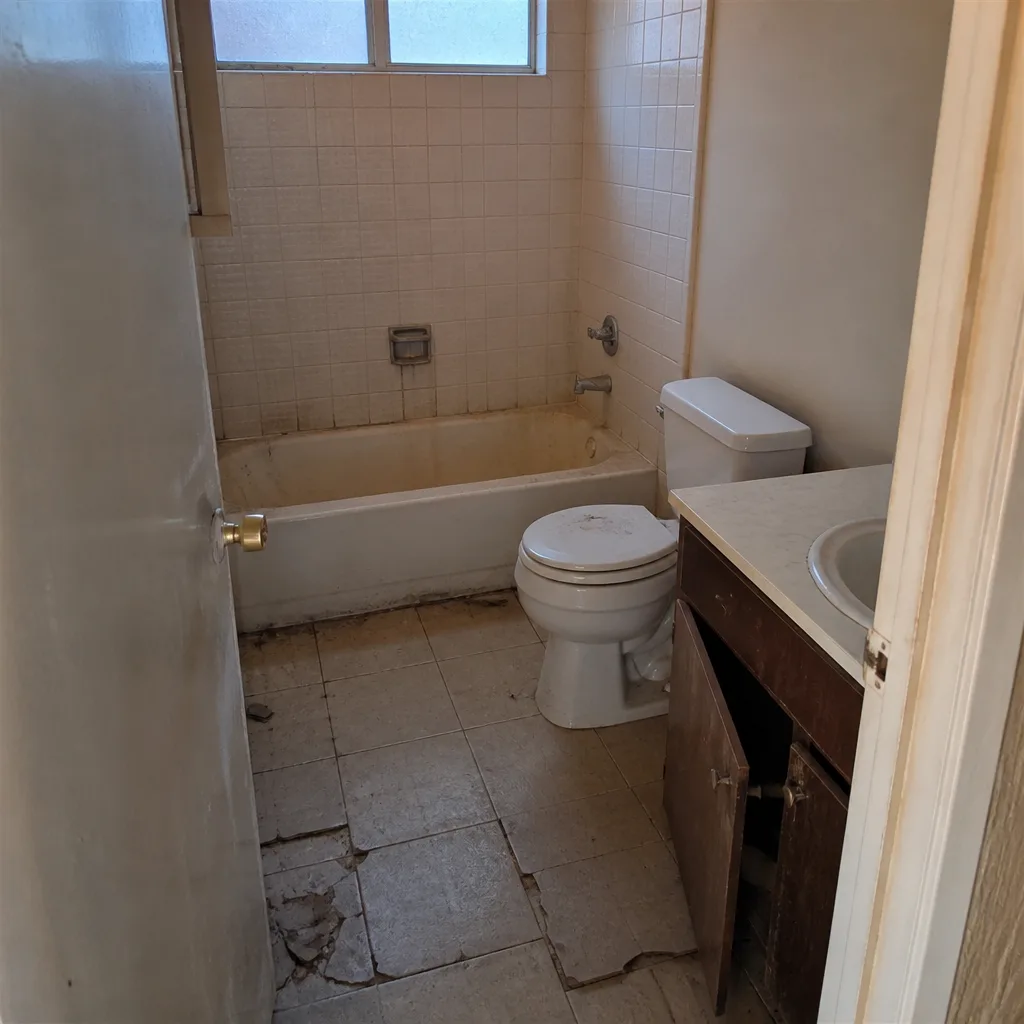 Before
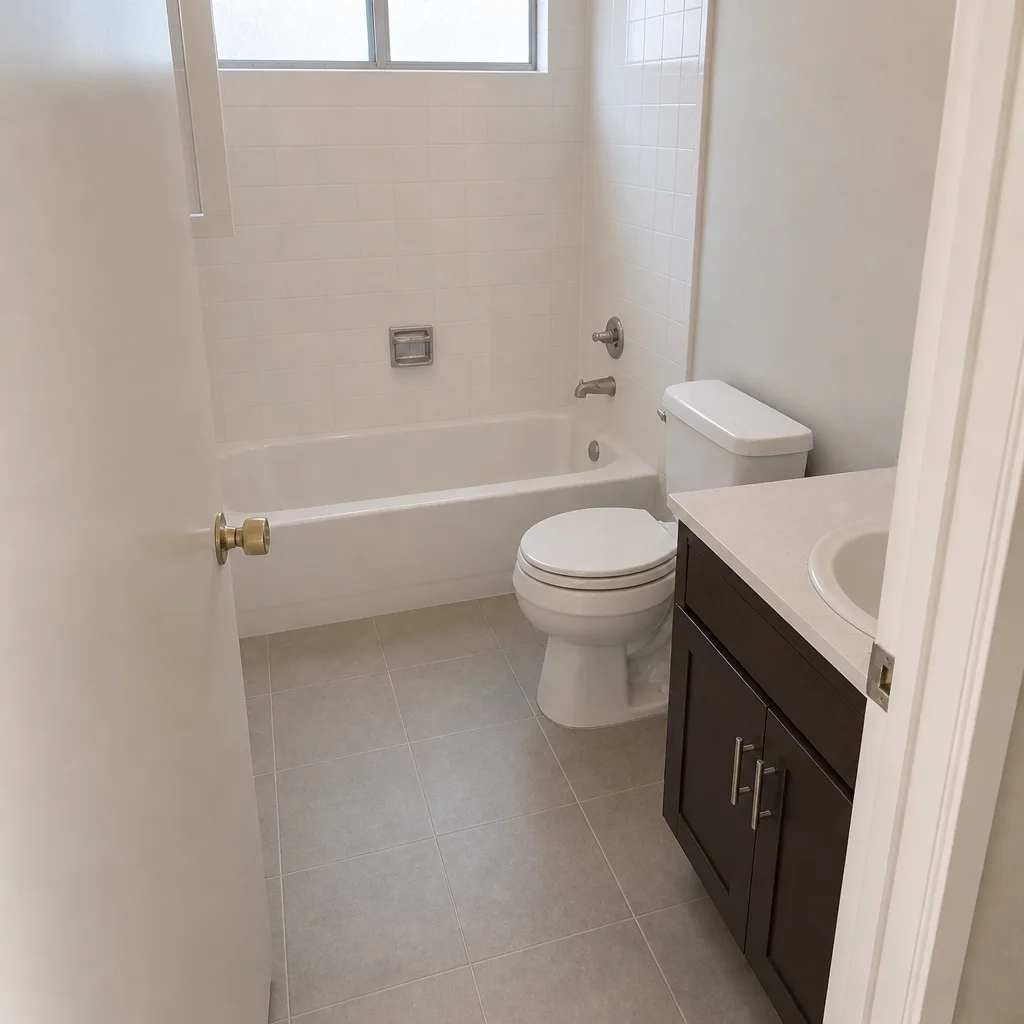 After
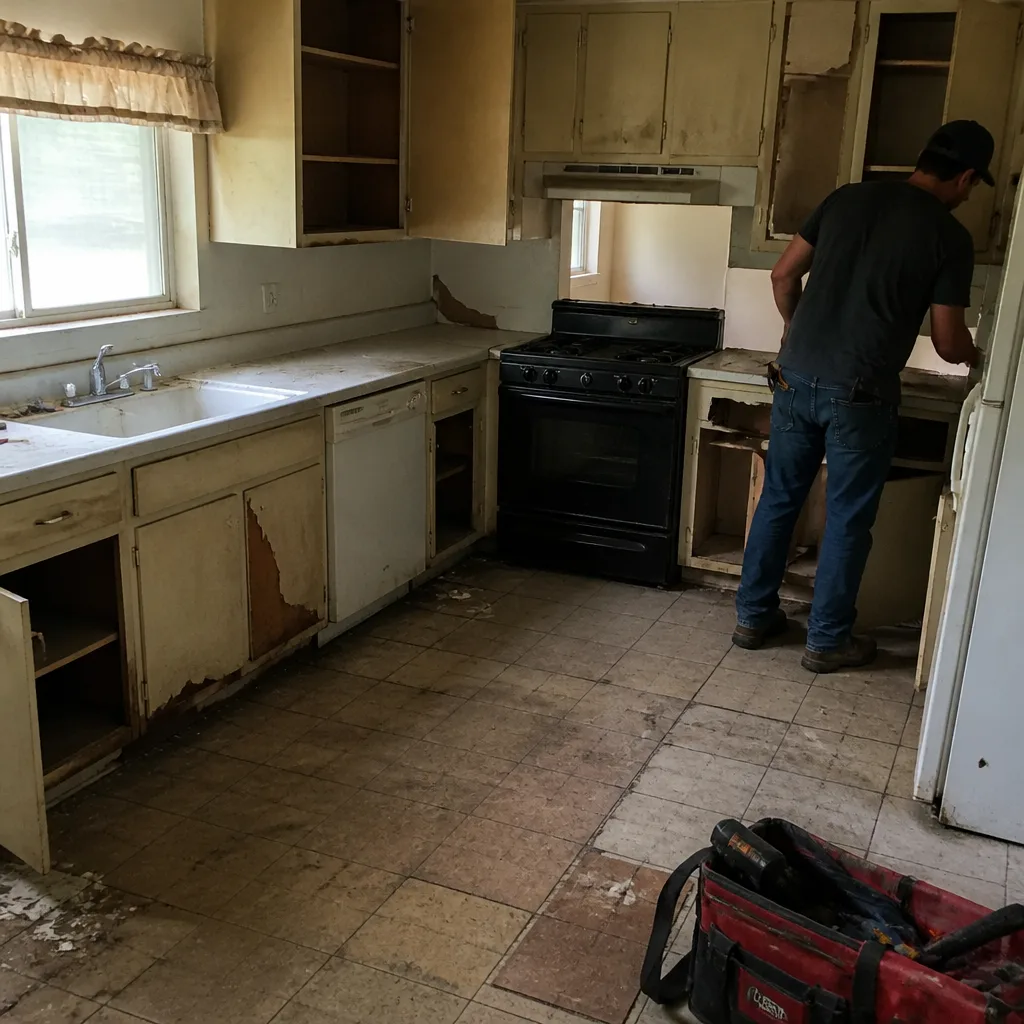 Before
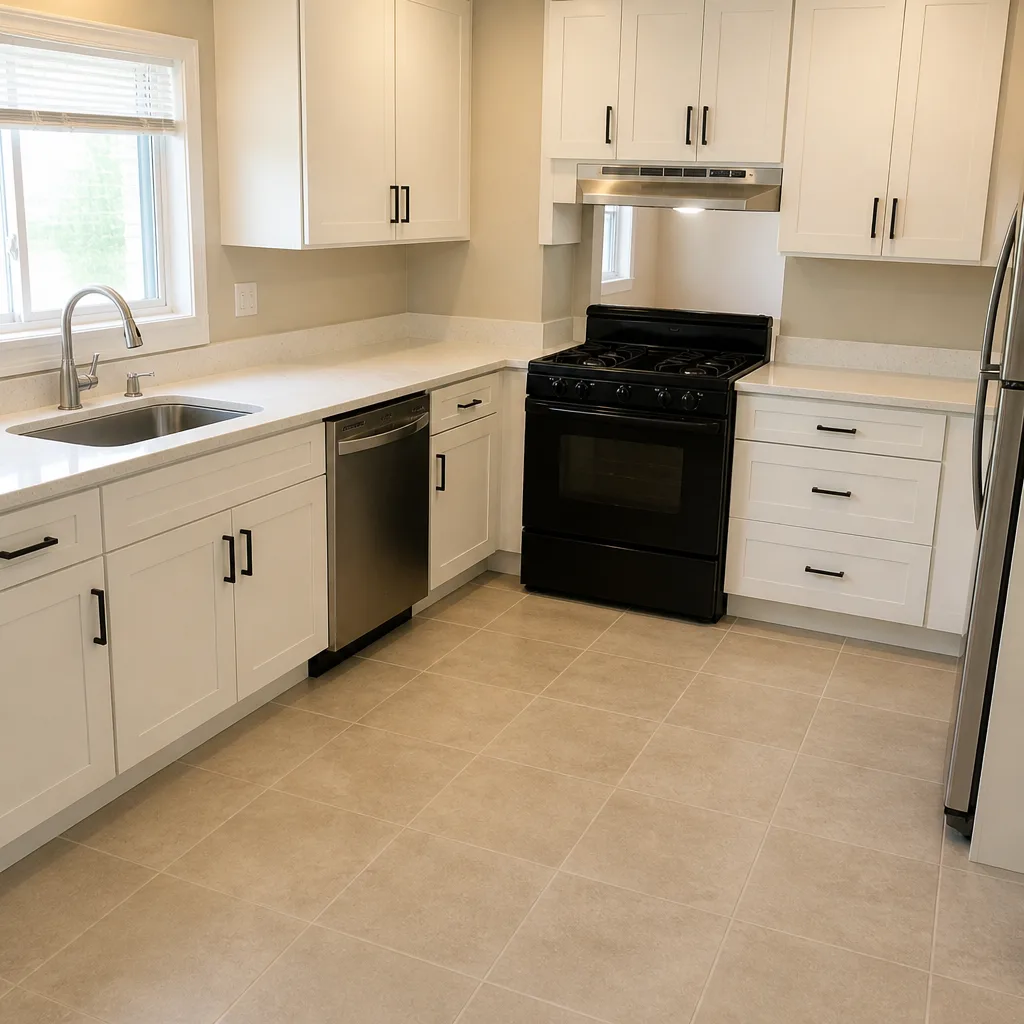 After
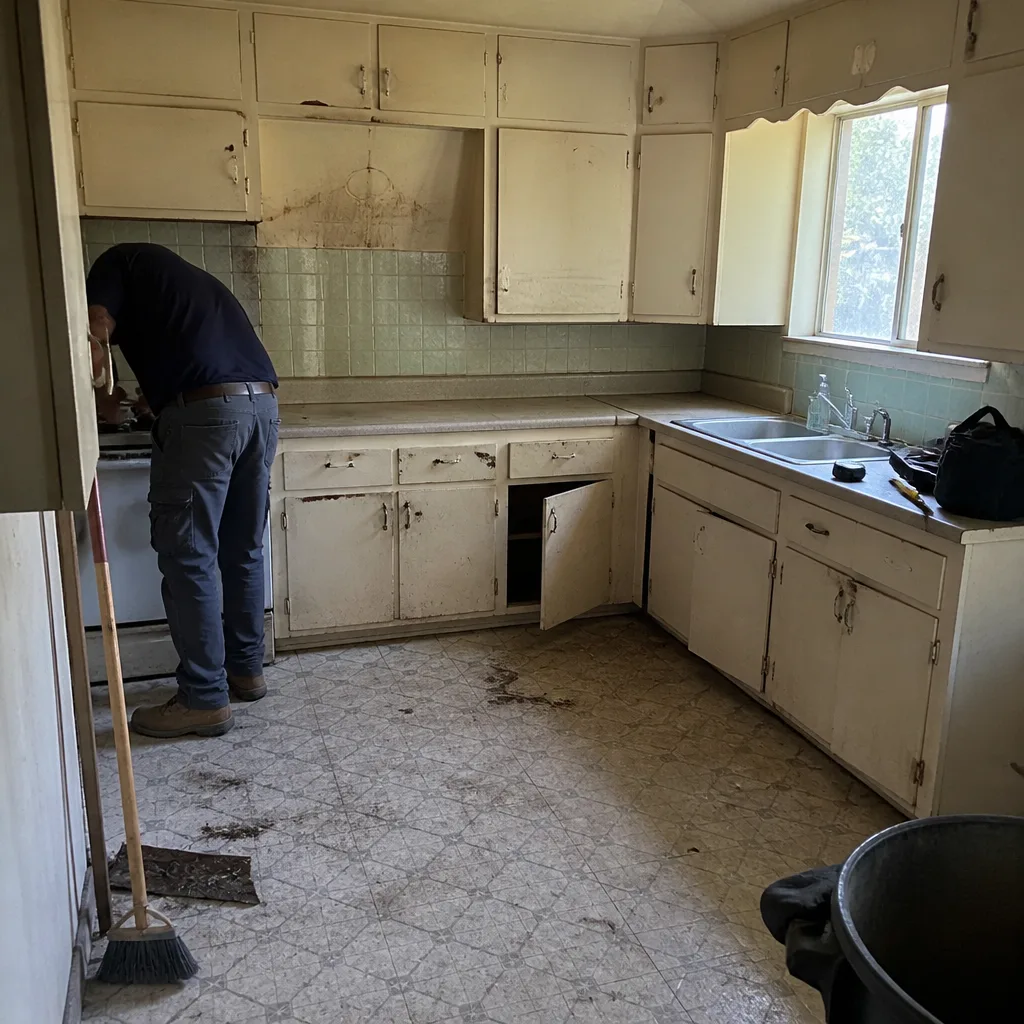 Before
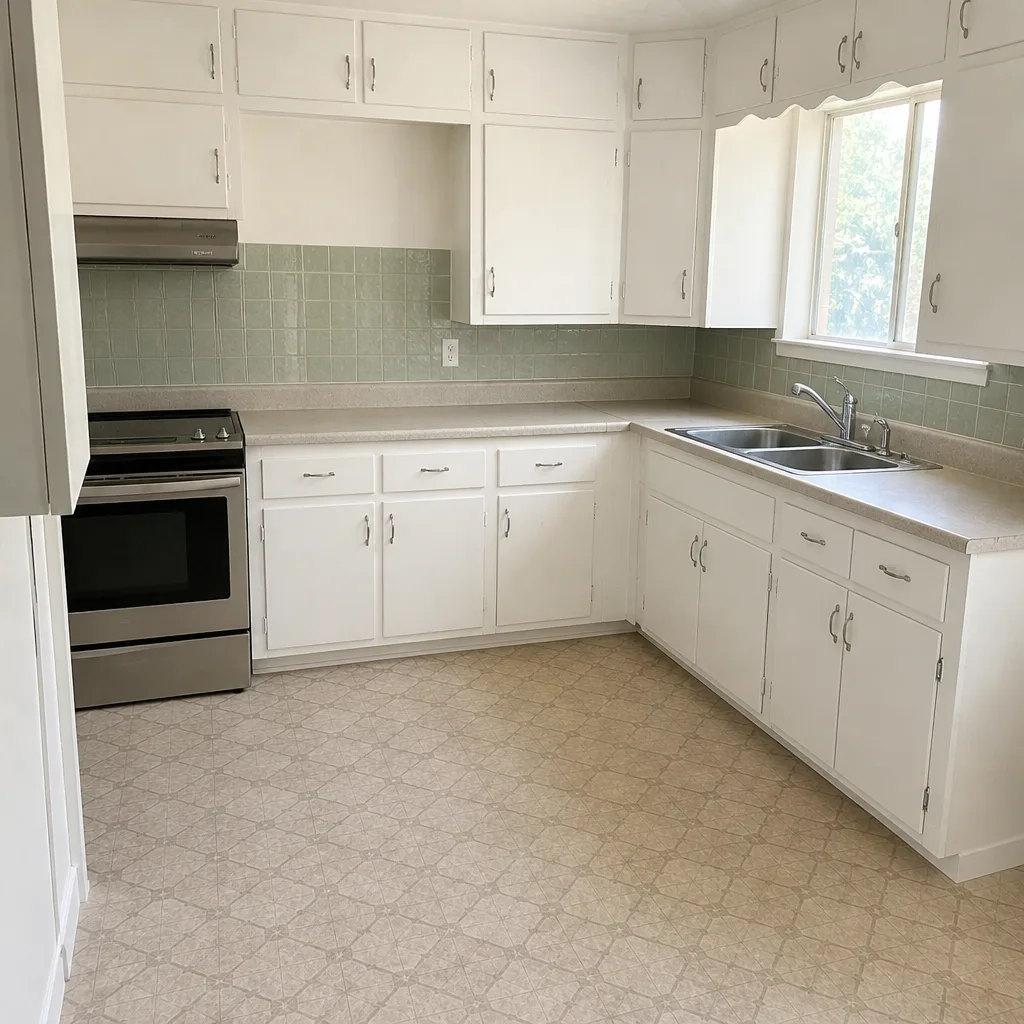 After
What a Written Guarantee Actually Needs to Say

Phrases like “lifetime warranty” and “satisfaction guaranteed” usually mean nothing legally. A lifetime warranty is meaningless without a defined term and a defined remedy. “Satisfaction guaranteed” is a marketing phrase, not a contract term. To be enforceable, a written guarantee needs six things.
- A defined coverage period, stated in days or years. “365 days from substantial completion” is enforceable. “Lifetime” is not, unless the contract defines the term and what triggers the end of it.
- A defined scope of what’s covered. Labor only? Materials only? Both? Are manufacturer warranties separate?
- A defined exclusion list. Normal wear, acts of God, misuse, modifications by others, and unsealed natural stone are typical exclusions. Those are fine; they just need to be stated.
- A defined remedy. If something fails, does the contractor repair, replace, or refund? Say which.
- A defined response window. “We will return within 10 business days of a written claim” is enforceable. “We’ll come out sometime” is not.
- A signature and date from an authorized representative. Unsigned means unenforceable in most disputes.
At Bradford Remodeling Co Winchester, the 365-Day Done Right Promise is a full-year written guarantee on every completed project. If the work fails inside that window, we come back and correct it at no charge. The terms are on paper before you sign, not added after. It’s the standard homeowners in Winchester have asked for and, frankly, what a remodeling agreement should have contained all along.
Written Contract vs. Verbal Agreement
Here’s how the two compare, item by item.
- Price. Written: a fixed dollar number, line-item by line-item. Verbal: a range that moves.
- Scope. Written: names brands, model lines, finish levels, and exclusions. Verbal: “premium cabinets and counters.”
- Permits. Written: states who pulls permits, who pays for them, and who is on site for inspection. Verbal: unclear or avoided.
- Timeline. Written: start date, milestone dates, and completion date. Verbal: “when we get to it.”
- Change orders. Written: defined process, signed approval required, price impact stated. Verbal: a handshake at the door.
- Warranty. Written: names the coverage period, exclusions, remedy, and response window. Verbal: “we stand behind our work.”
- Payment schedule. Written: milestones tied to completed work, statutory deposit limit respected. Verbal: cash up front, more cash later.
The Garrison Standard exists to close this gap. It’s the framework that requires a written price before any work starts, on every job, no exceptions. Our technicians have up to 22 years of experience, and they’re background-checked and uniformed on every job, so you know who’s coming through your door. Live phone coverage is staffed 24/7 by a real person, not a voicemail queue. Those are the checks that keep a remodeling project from becoming a warning sign in motion.
You can read more about how our bathroom remodeling in Winchester work is structured for inspection and warranty coverage, or start from the Bradford Remodeling Co Winchester home page to see what’s in scope for the full range of work.
Common Mistakes to Avoid
- Paying a deposit over the Nevada statutory limit. If a contractor asks for more than 10% down or $1,000, whichever is less, on a residential job, that’s a statute violation. Keep the number on paper.
- Assuming the final inspection happened because the crew said so. Pull the permit record yourself through the city and county. On a Winchester remodel, the final sign-off is the single most important document in the file.
- Accepting verbal change orders. A verbal change to the countertop brand or floor tile is fine until the invoice shows up. Get every change in writing, signed by both sides, with the price delta stated.
- Ignoring caulk lines after week one. If caulk is being used to fill a structural gap, it will fail within the year. Look for it in the first walkthrough, not the twelfth.
- Signing a warranty page without reading exclusions. Know exactly what’s covered and what isn’t before the crew starts. “Lifetime” without a definition is not a warranty.
- Letting the site turn into a dump. A crew that doesn’t clean up daily has management issues that show up elsewhere. Flag it in the first week, not the last.
- Not documenting the punch list in writing. Walk the job with the project manager before final payment and get every remaining item added to a written punch list with a completion date.
When to Call a Professional
Some situations call for a professional inspection now, not later. Call if you’ve discovered a permit was never pulled, if a final inspection was never recorded but the work was closed out, if you see recurring water where there shouldn’t be any, or if you find caulk filling structural gaps more than 1/4 inch wide. Call if the contractor for a previous job has gone silent and something has failed inside a warranty window. And call if you’re about to buy a Winchester home with a recent remodel and want the permit history checked before the sale closes.
Bradford Remodeling Co Winchester offers free estimates in Winchester. Call (844) 972-4839 to schedule one. We’ll walk the job, review any permits and contracts you have, and give you a written assessment – even when the honest answer is “there’s nothing wrong.”
Frequently Asked Questions
Most kitchen and bathroom remodels, structural changes, electrical panel updates, plumbing relocations, and any work that changes the footprint of the home require a permit in Winchester. Cosmetic work like paint and floor covering typically doesn’t. When in doubt, call the City of Winchester or Clark County building department for the address and ask. A legitimate contractor will already know the answer before you ask.
Usually very little unless the contract defines the term, the coverage, the remedy, and the response window. A warranty should name the coverage period in days or years, list what’s covered (labor, materials, or both), list exclusions, and state the remedy if something fails. If a contractor says “lifetime” without those details on paper, treat the warranty as marketing language and ask for a written term instead.
Yes, in most Nevada residential remodeling contracts a final payment hold of around 10% is standard and enforceable if it’s written into the contract. The hold should be released after the written punch list is complete and the final inspection has been signed off. If the contract doesn’t include a hold, add one before you sign.
You inherit the problem. An open permit on the property can block a future sale or refinance until it’s resolved, and resolution often means opening walls so an inspector can see what’s behind them. Pull the permit history directly through the City of Winchester or Clark County. If it’s open, call (844) 972-4839 for a free estimate on what it will take to close it out properly.
Caulk that’s more than 1/4 inch wide, or that appears along a joint that should be flush, is a warning sign. Caulk belongs at seams between dissimilar materials, not filling gaps between a cabinet and a wall or between a shower surround and a tub. If the caulk line is wider than a pencil, get a professional to look at it.
Nevada law limits the deposit on residential remodels to 10% of the contract price or $1,000, whichever is less. Anything above that is a red flag. Remaining payments should be tied to defined milestones in writing, with a final hold at close released after the walkthrough and final inspection.
The Bottom Line
The warning signs that hurt the most happen after you’ve already signed – during the job and after the crew leaves. Verbal pricing, no written scope, deposit pressure, work out of sequence, missing inspections, caulk hiding structural gaps, and a permit that never got a final sign-off. Those are the signals that turn a remodel into a repair bill. Get the price in writing, confirm the permit is on file and inspected, demand a written guarantee that names the coverage period and remedy, and keep a final payment hold until the punch list is closed. Do that and the warning signs become boring, in the best possible way.
Call Bradford Remodeling Co Winchester at (844) 972-4839 to schedule your free estimate. Every price and every guarantee is in writing before a single tool comes out, and every completed project carries the 365-Day Done Right Promise.
Written by the team at Bradford Remodeling Co Winchester.