Last updated November 18, 2026








Free written scope consultation - allowances, timeline, and change-order rules on paper before a single trade is scheduled
Seasonal Construction Care for Winchester: Year-Round Homeowner’s Guide
The monsoon that rolls through the Las Vegas valley in July and August is the biggest single driver of water intrusion claims on Winchester homes, and by the time the first storm hits, the June prep window is already gone. Here’s the part that surprises people: most of the damage we get called out to fix started months earlier, in a hairline stucco crack or a dried-out bead of caulk that cost almost nothing to address. This guide walks Winchester homeowners through a calendar built around what this climate actually does to a house, season by season, so a $400 maintenance job doesn’t turn into a $14,000 wall-cavity repair.
Quick Answer
Seasonal construction care in Winchester means working with three distinct stress cycles, not one hot season: extreme UV and sustained heat from May through September, a concentrated monsoon moisture window in July and August, and winter overnight drops that swing 30 to 40 degrees and stress concrete, grout, and exterior sealants. The single most important habit is a pre-monsoon envelope inspection in May and June, followed by a post-monsoon check in September before moisture migrates into wall cavities. Get those two inspections on a calendar and logged in writing, and you prevent most of the compounding failures that define Winchester repair bills.
Styles & brands we work with
- Kitchen remodeling
- Bathroom remodeling
- Home additions & ADU
- Roofing
- Windows & doors
- Driveway & pavers
- Fence
Table of Contents
- Pre-Monsoon Checklist for Winchester (May – June)
- What Summer Heat Does to Roofing, Caulk, and Expansion Joints
- Post-Monsoon Inspection Protocol (September)
- Winter Prep for Winchester’s Temperature Swing
- How to Log Seasonal Inspections So Future Contractors Can Read Them
- Interior Systems: Kitchens, Baths, and the Seams That Fail
- Hiring a Contractor for Seasonal Work in Winchester
Pre-Monsoon Checklist for Winchester (May – June)
Monsoon moisture doesn’t just fall on Winchester, it drives sideways. Wind-driven rain finds every gap in the building envelope, and the envelope is only as strong as its weakest penetration. This is the two-month window where a few hours of work prevents the claims that dominate July and August.
Work through this in order, top to bottom, because water runs downhill and a roof problem you miss will show up as a ceiling stain three weeks later.
- Roof flashing and penetrations. Check the boot seals around plumbing vents, the step flashing where the roof meets a wall, and the chimney or skylight curbs. In Winchester’s heat, the rubber boots around vent stacks often crack and go brittle within a decade. A cracked boot is a direct path into the attic.
- Stucco cracks, sorted by type. Hairline cracks (under 1/16 inch) get sealed with elastomeric caulk. Wider cracks, stair-step cracks, or cracks that follow a clear pattern near a window or door corner deserve a closer look, because those can signal movement in the substrate rather than simple surface shrinkage.
- Window and door perimeters. Run a finger along the caulk joint at every exterior frame. Where it’s pulling away or feels chalky, cut it out and re-caulk. This is where we see the most neglected joint on Winchester homes, especially on south and west elevations.
- Weep screed and grade. Confirm the stucco weep screed sits above grade, and that soil slopes away from the foundation. Standing water against the stucco line during a monsoon is a slow-motion problem that shows up as interior drywall damage at the baseboard.
- Attic and roof vents. Make sure soffit vents aren’t clogged with dust and debris, which they routinely are in this climate. Blocked soffit vents trap heat and shorten the life of everything in the attic, including the roof decking.
If you’re planning larger exterior remediation, our General Contractor in Winchester page covers how a full envelope repair gets scoped and priced. For most homeowners, the checklist above is the maintenance layer, and it’s worth doing on a schedule.
What Summer Heat Does to Roofing, Caulk, and Expansion Joints
Sustained 110°F exposure is not the same as an occasional hot day. Roof surface temperatures in Winchester routinely reach 150°F to 170°F on a dark shingle roof, and that constant thermal load changes materials in ways homeowners don’t see until something fails.
Here’s what’s actually happening up there.
- Roofing adhesives soften. The self-seal strips on asphalt shingles rely on heat-activated adhesive. Repeated extreme heat cycling can leave shingles more prone to wind uplift during the monsoon gusts that follow the heat.
- Caulk and sealant degrade faster. Standard painter’s caulk will fail in a season or two on a south-facing wall in Winchester. Spec an elastomeric or polyurethane sealant rated for high-temperature exterior exposure, and expect to re-check those joints annually.
- Expansion joints open and close. Concrete flatwork and stucco both move with temperature. Joints that were tight in January gap open by August. That’s normal. What matters is that the joint sealant stays flexible enough to follow the movement instead of cracking and letting water in.
- Paint and finish chalk prematurely. UV load in Winchester is genuinely intense, and exterior paint on west-facing walls fades and chalks faster than on shaded elevations. That’s a maintenance reality, not a defect.
The practical takeaway: schedule exterior sealing work in spring or fall, not in the middle of July. Sealant applied to a 150°F surface won’t bond properly, and we’ve seen plenty of premature failures traced to exactly that. If a full exterior refresh is on your radar, this is the season to plan it, not the season to execute it.
Post-Monsoon Inspection Protocol (September)
The weeks after the monsoon are the most important inspection window of the Winchester year, because this is when you can catch water intrusion before it travels from the exterior into the wall cavity and starts feeding mold. Water that gets behind stucco or under a flashing detail doesn’t announce itself. It migrates, and it takes the path of least resistance.
Run this protocol each September, in this order:
- Walk the interior along exterior walls. Look for paint bubbling, drywall stains, soft spots, or a chalky white efflorescence line near the baseboard. Any of those suggest moisture has reached the wall assembly.
- Check the attic after a storm. Look for water staining on the underside of roof decking, damp insulation, or rust at nail heads. Rust at fasteners is a quiet, reliable indicator of repeated moisture exposure.
- Probe the exterior. Tap along stucco with a screwdriver handle. A hollow or soft sound that wasn’t there in spring is worth investigating. Don’t drill or probe through the stucco yourself, because you can open a path for water that didn’t exist before.
- Inspect window and door perimeters from the inside. Water at a window sill that shows up weeks after a storm usually got in at the exterior frame joint and traveled. Take photos.
- Check flatwork and grout. Look for new cracks in the driveway, walkways, and patio, and for grout that’s cracked or missing on exterior tile. Any of those should be logged.
If the inspection turns up intrusion you can’t explain, that’s the point to bring in a professional. Water damage that migrates into a wall cavity gets expensive fast, and a proper assessment costs far less than a repair discovered six months later.
Winter Prep for Winchester’s Temperature Swing
Winchester winters aren’t cold by national standards, but the overnight drop here matters more than the absolute low. Days in the 60s and nights near or below freezing means assemblies cycle through expansion and contraction daily from November through February. That cycling is what breaks things.
What it does, in plain terms:
- Concrete flatwork cracks. Concrete moves with temperature, and in Winchester the swing is enough to open existing control joints and create new hairline cracks over a winter. Seal them in fall to keep monsoon water from getting in next summer, and to keep them from widening through freeze-thaw.
- Tile grout cracks and loosens. Exterior tile, and interior tile on slabs, is subject to the same movement. Cracked grout lets water reach the substrate, and on a slab that leads to a loose tile and a much bigger repair.
- Caulk joints pull away. The perimeter of windows and doors sees the biggest temperature differential because the frame and the wall move at different rates. Fall is the right time to inspect and re-caulk these joints before the cold sets the sealant hard.
- Exterior water lines and hose bibs. A hard overnight freeze can burst an unprotected hose bib or exterior line. Drain and shut off exterior water before the first freeze night, and insulate any exposed pipe runs.
- Roof penetrations tighten and loosen. Sealant and flashing at vents and skylights benefit from a fall check so they’re ready for the next monsoon, not reacting to it.
A single afternoon of winter prep in October or November in Winchester typically saves a repair in the spring. It’s the least glamorous part of the calendar and the one that pays off most reliably.
How to Log Seasonal Inspections So Future Contractors Can Read Them
This is the section almost nobody writes, and it’s the one that saves homeowners real money. When damage shows up, the hardest question a contractor has to answer is whether it’s new or pre-existing. Without records, nobody can tell, and that ambiguity can cost you on a warranty claim, an insurance claim, or a contractor dispute.
Build a simple log. It doesn’t need to be fancy.
- Date every inspection. Write the date, the season, and the weather conditions on the day you looked.
- Photograph each item with something for scale. A coin or a tape measure in the frame turns a vague crack photo into usable evidence.
- Note what you did, not just what you saw. “Re-caulked two window frames on south wall, elastomeric” is worth more than “checked windows.”
- Keep receipts and material names. When a future contractor knows a joint was sealed with a specific elastomeric caulk in May, they can reason about why it failed by September.
- Store it in the cloud, in one folder. A shared folder labeled by year and season makes it easy to hand over during a sale, a claim, or a remodel.
We’ve walked into plenty of Winchester homes where the owner couldn’t say whether a stain was three weeks or three years old. A written log answers that in thirty seconds, and it lets a contractor distinguish new damage from pre-existing conditions instead of guessing. Put a reminder in your calendar for the first week of May and the first week of September, and the log builds itself.
Interior Systems: Kitchens, Baths, and the Seams That Fail
Exterior assemblies take the most abuse in Winchester, but the interior seams fail too, and often at the same time of year. The joints between a kitchen countertop and a backsplash, between a shower surround and drywall, and around a sink or tub rim all rely on sealant and grout that move with the structure. When the temperature swings and the monsoon moisture arrives, those are the seams that open first.
Two habits hold up well here. First, check the bead of caulk along countertops and backsplashes each spring, before the moisture season, and replace anything that’s pulling away. A failing bead behind a kitchen sink is a direct path into the cabinet base and the substrate below. Second, on bathrooms, look at the grout at the base of the shower walls and around the drain connection each fall. Missing or cracked grout there lets water into the wall cavity behind the tile, and by the time you see a stain, the repair is a tear-out rather than a re-grout.
For kitchens, this is also the season to decide whether a surface or fixture refresh makes sense before a sealant failure forces a larger repair. Our Kitchen Remodeling in Winchester page covers how a documented scope and written price work on those projects.
Hiring a Contractor for Seasonal Work in Winchester
Seasonal maintenance work is where sloppy contractors hide, because the jobs are small and the stakes feel low until something fails. A caulk-and-sealant job that looks fine in June can fail by August if the wrong product went on a hot surface, and nobody wants to find out the guarantee was verbal.
Here’s what to insist on, in order:
- A written price before any work starts. Not an estimate that moves at the door. A number you can hold in your hand.
- Named materials. Ask exactly what sealant, what flashing, and what membrane will be used. On exterior products, Therma-Tru and ES Windows are among the documented systems we work with; the point is that the specification should be traceable, not left to guesswork.
- A written guarantee that outlasts the season. Our 365-Day Done Right Promise covers every completed project for a full year: if the work fails inside that window, Bradford returns and corrects it at no charge.
- You know who’s coming. Every technician on a Bradford job is background-checked and uniformed, so you know who’s walking through your door before the crew arrives. Calls are answered by a live person, not a voicemail queue.
We operate under The Garrison Standard, which is the framework that puts every price and every guarantee in writing before a tool comes out. If a maintenance job in Winchester needs to turn into a bigger repair, that’s a conversation we have with a written scope, not a surprise invoice.
Common Mistakes to Avoid
- Waiting until the first storm to check the roof. By July, the June prep window in Winchester has closed, and the flashing and sealant that should be fresh are already being tested. Inspect in May, not in August.
- Using the wrong sealant on a hot surface. Painter’s caulk on a 150°F west-facing wall in Winchester fails fast. Spec an exterior-grade elastomeric or polyurethane product, and don’t apply it to an overheated surface.
- Ignoring hairline stucco cracks. Hairline cracks are cheap to seal and free to leave alone only until they let monsoon water in. Once water gets behind the stucco, the repair cost jumps.
- Better-than-nothing DIY probing through the stucco. Drilling test holes to check for moisture creates new penetration points that water will find. If you suspect intrusion, have it assessed professionally.
- Skipping the inspection log. Without dated photos and records, no future contractor can tell whether a stain is new damage or a pre-existing condition, and that ambiguity can cost you on a claim.
- Letting winter catch the exterior water lines. A burst hose bib during the first hard freeze of the season is avoidable. Drain and shut off exterior water in October.
- Accepting a verbal guarantee. The guarantee is the whole value of the maintenance job. Get it in writing, with the term stated in plain language.
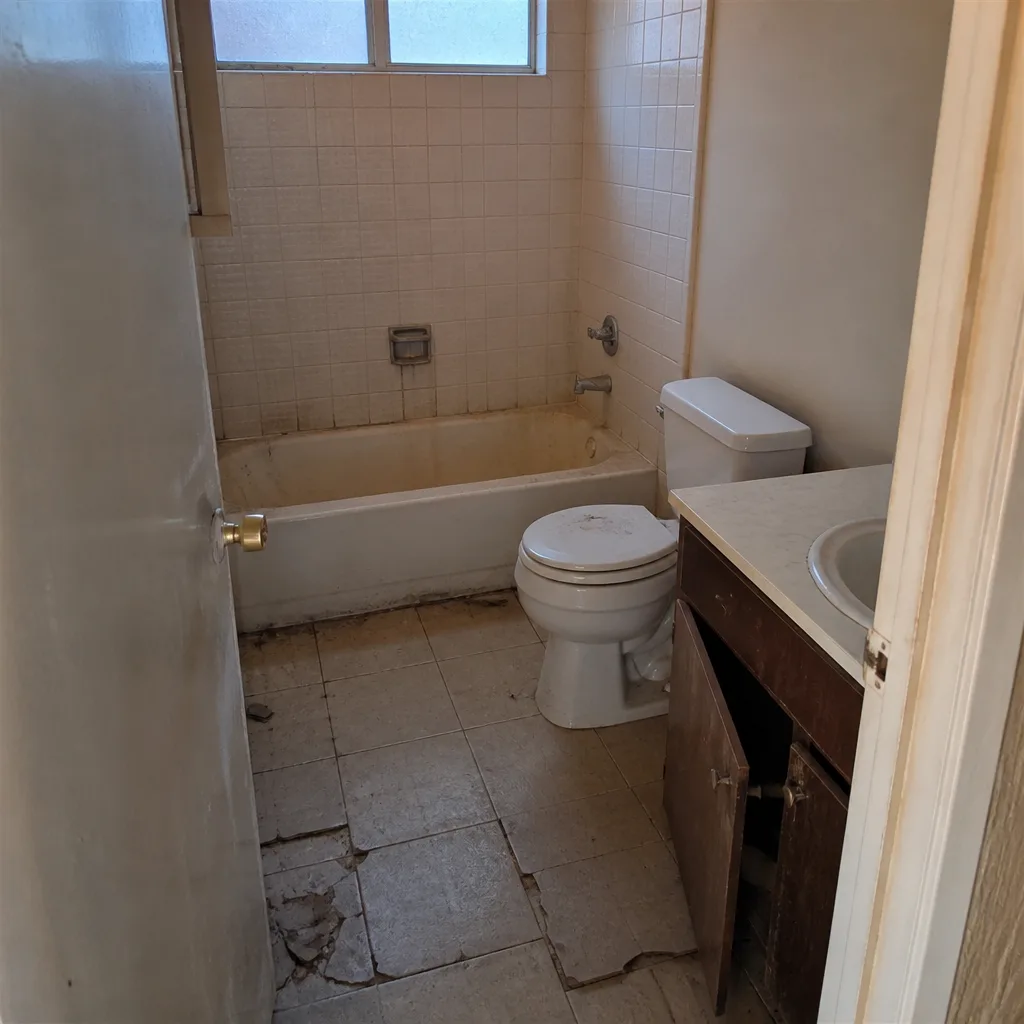
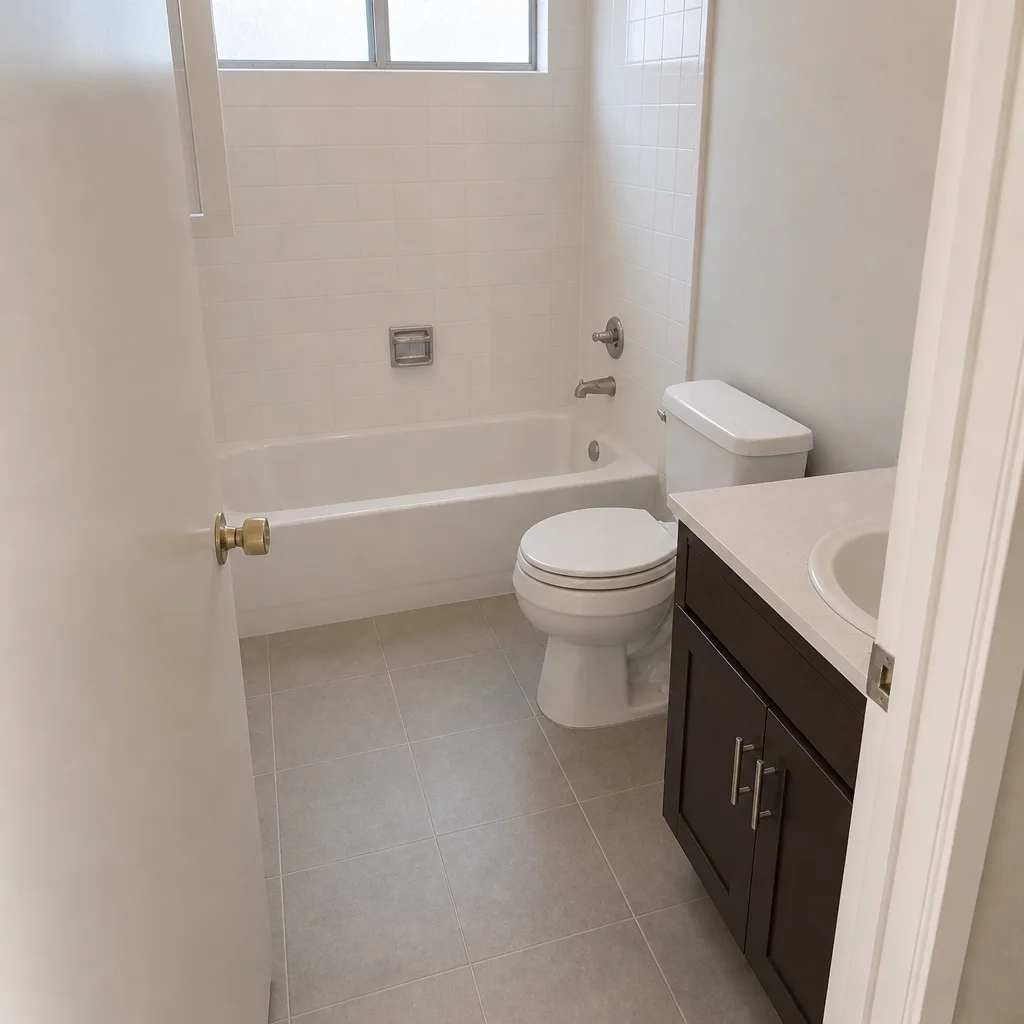
See the difference
 Before
 After
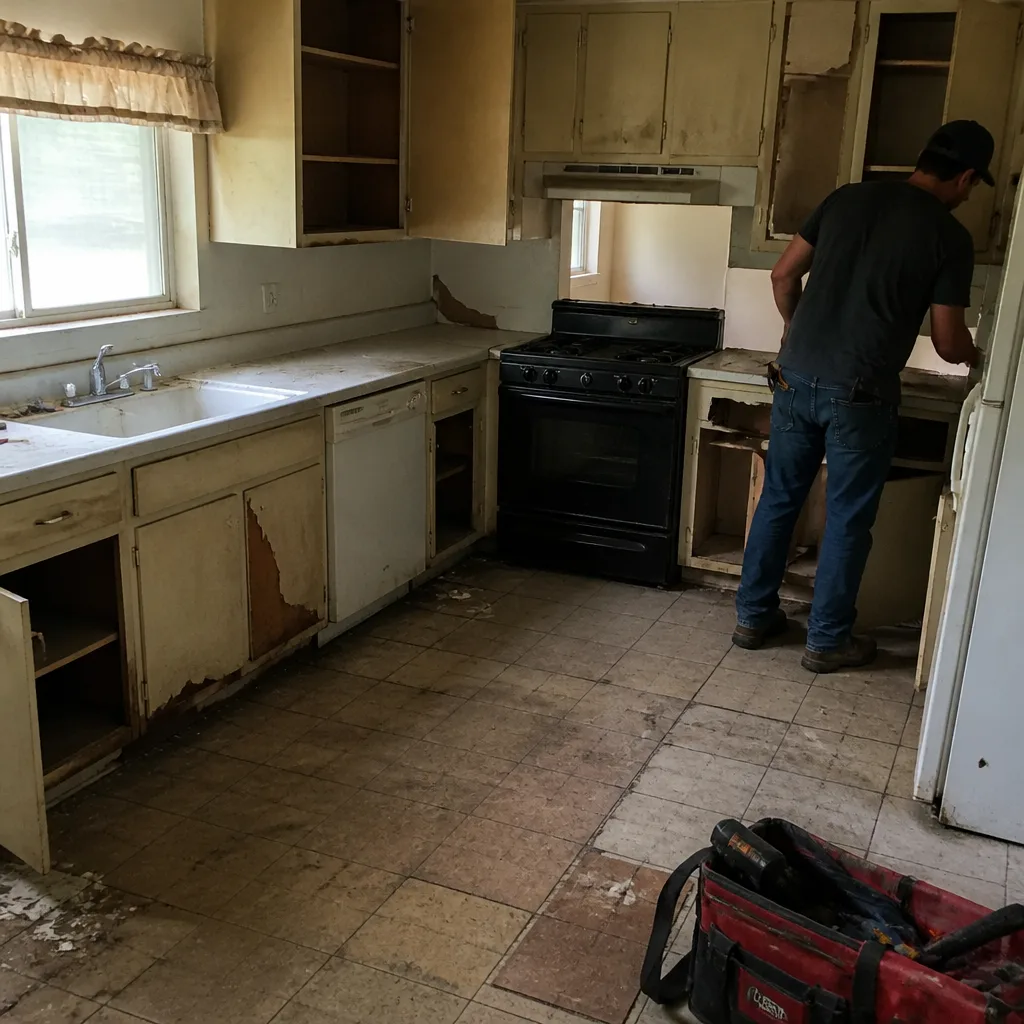 Before
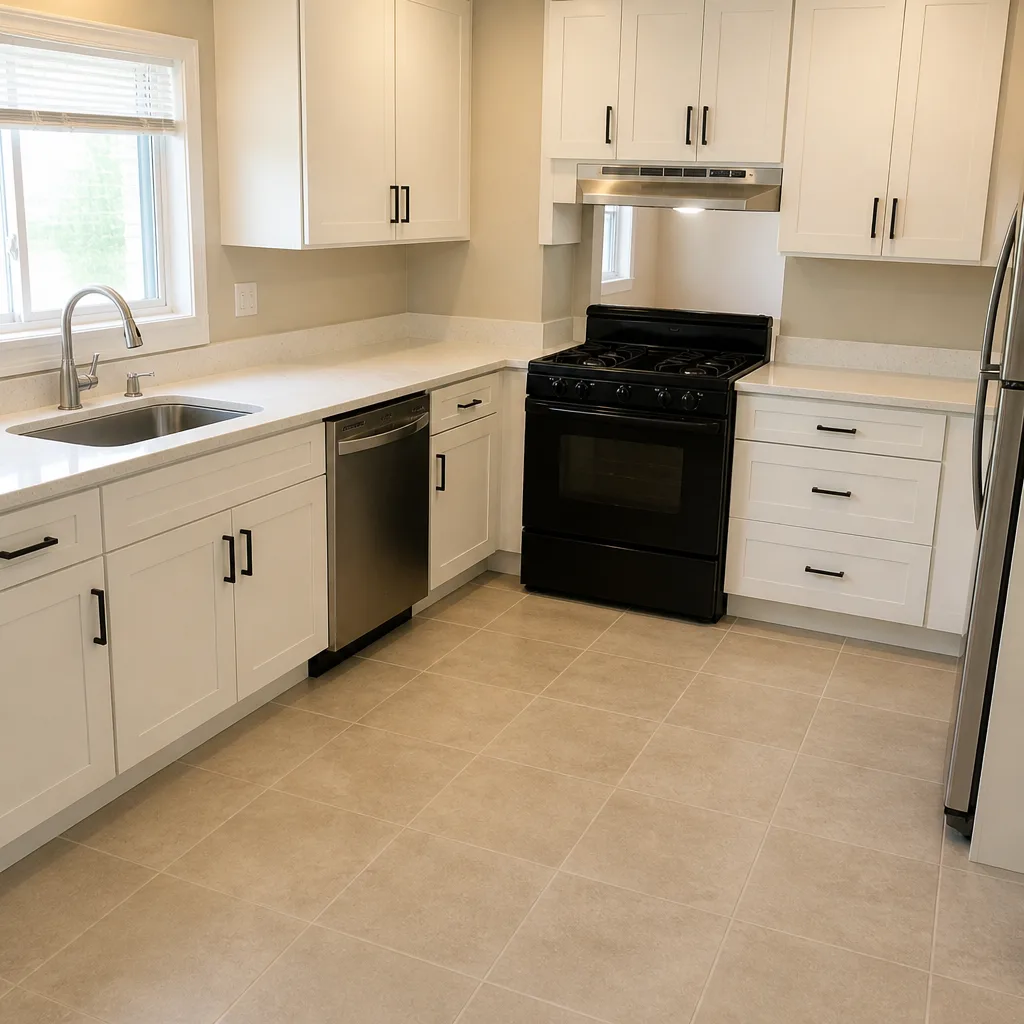 After
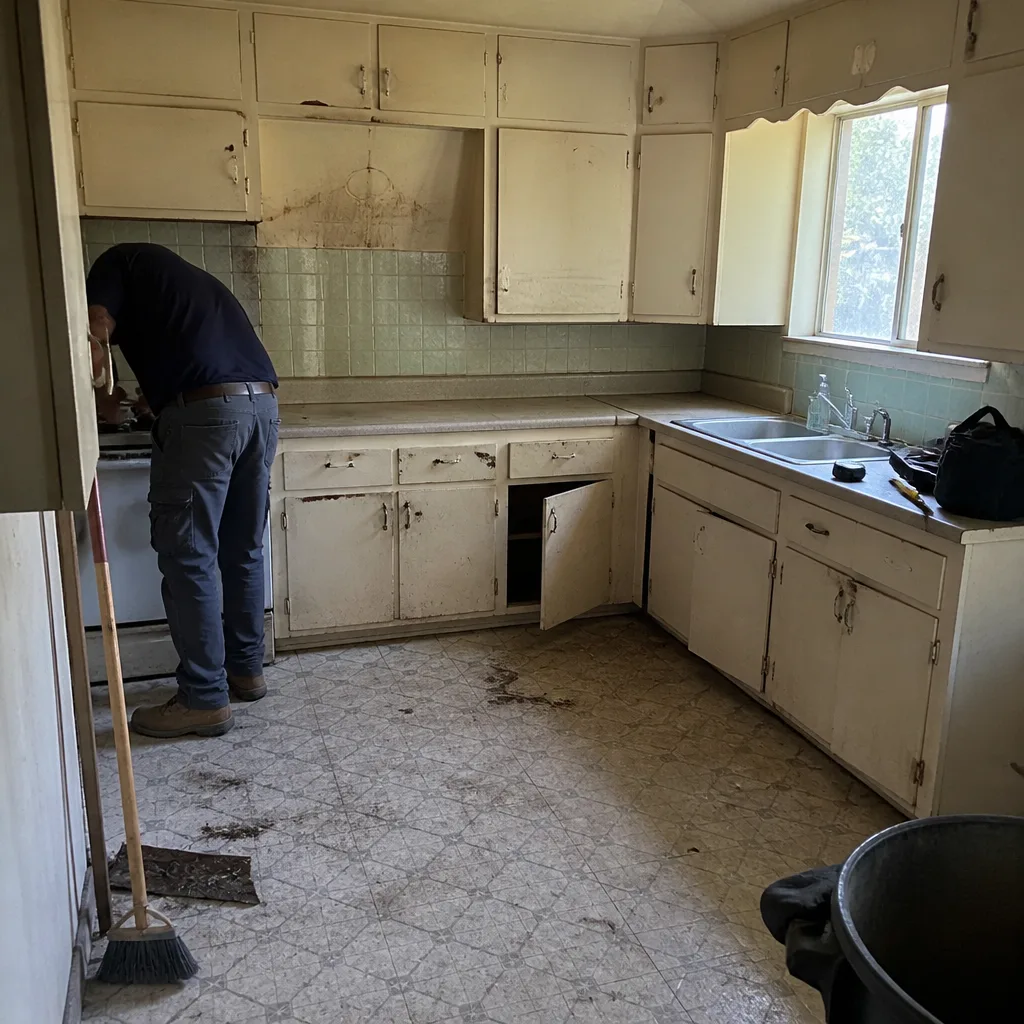 Before
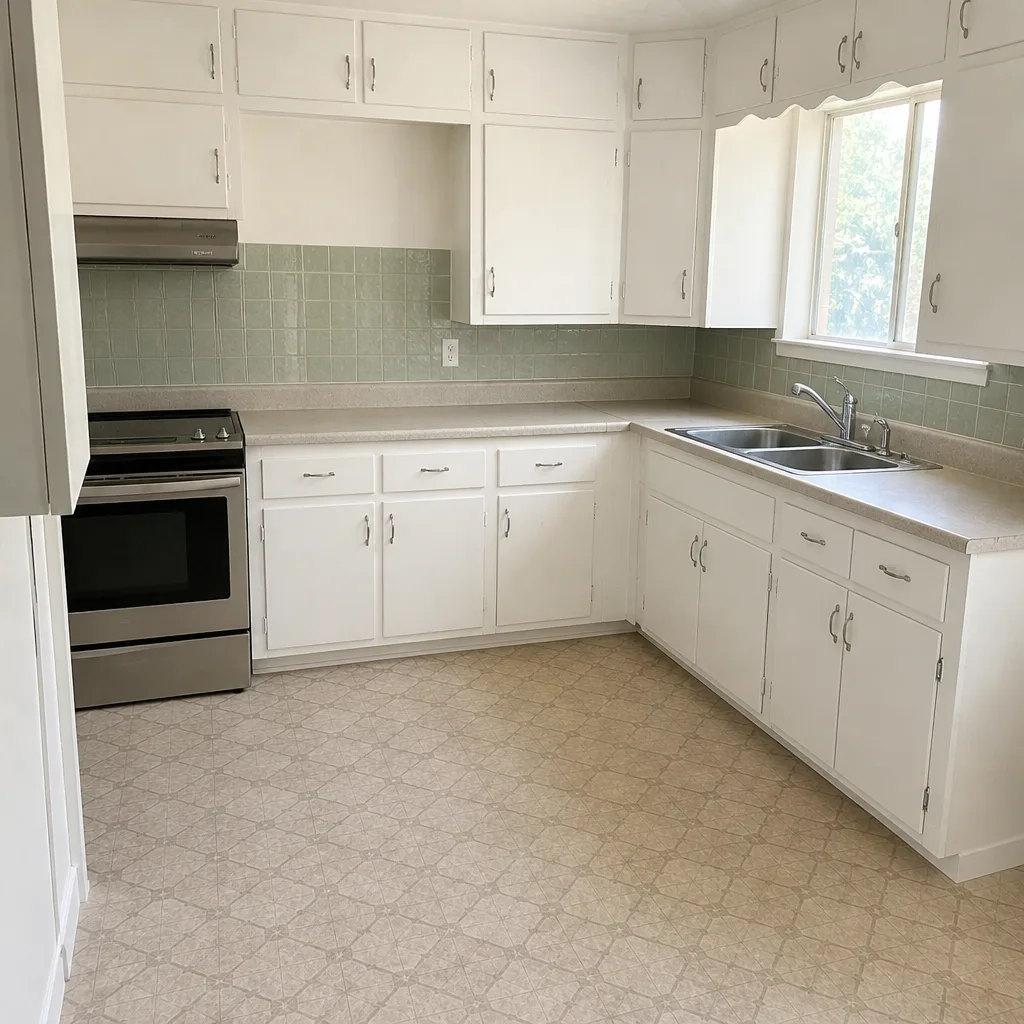 After
When to Call a Professional
Call a professional when you find water staining on drywall or the attic decking, when a stucco area sounds hollow or soft when tapped, when a crack is wider than a hairline or follows a pattern near an opening, or when you can’t tell whether the damage you’re seeing is new. Those situations can go from cosmetic to structural quickly, and the inspection cost is trivial compared to a wall-cavity repair. Roof work, stucco patching above the first floor, and anything involving electrical or gas connections should always be handled by a trained professional, not a homeowner on a ladder. Bradford Remodeling Co Winchester offers free estimates in Winchester, with a written price before any work starts and the 365-Day Done Right Promise behind the result. Call (844) 972-4839 to schedule your free estimate.
Frequently Asked Questions

May is the most important month, because it sits just before the monsoon and gives you time to seal roof flashing, stucco cracks, and window perimeters before the wind-driven rain arrives. The second most important is September, when you inspect for intrusion before it migrates into wall cavities. Call (844) 972-4839 for a free estimate if you want an inspection done right.
Most homeowners spend a few hundred dollars for pre-monsoon sealing and caulking of a standard exterior, and the figure climbs if roof flashing repairs or stucco patching are needed. Compare that to a wall-cavity water damage repair, which can run into the many thousands. Call (844) 972-4839 for an exact written quote on your home. Estimates are free.
Only if there’s a record. Dated photos, receipt records, and a written inspection log let a contractor distinguish new damage from pre-existing conditions, and that protects you on warranty and insurance claims. If you don’t have a log, we document what we find in writing before any work starts. Call (844) 972-4839 to schedule a free estimate.
Monsoon rain drives sideways into every gap in the building envelope, which is why flashing and sealant condition matters more here than rainfall totals suggest. Water finds window perimeters, door frames, and stucco cracks, then migrates into the wall cavity before you see a sign inside. Call (844) 972-4839 if you find staining or soft spots after a storm.
No. Every Bradford project gets a written price before any work begins, and that number doesn’t move at the door. If we find something during the job that genuinely changes scope, we discuss it and document it in writing before any work proceeds. Call (844) 972-4839 for a free estimate and a written price on your Winchester project.
Every completed project carries the 365-Day Done Right Promise: if the work fails within the guarantee period of one full year, Bradford returns and corrects it at no charge. The guarantee is written, and it’s yours to keep. Call (844) 972-4839 to schedule your free estimate.
For a broader view of how whole-home and bath projects get scoped and priced in this climate, our Bathroom Remodeling in Winchester page goes into the details, and the full story on how we operate is on the Bradford Remodeling Co Winchester home page.
The Bottom Line
Winchester’s climate runs in three stress cycles, not one hot season, and the failures that cost homeowners the most are the ones that compound between them. The pre-monsoon envelope check in May and June prevents intrusion, the post-monsoon inspection in September catches it before it spreads, and the winter prep in October protects the assemblies that move with the temperature swing. Log every inspection with dates and photos so a contractor can tell new damage from old, insist on a written price before any work starts, and hold onto a written guarantee that covers a full year. That discipline is what keeps a $400 maintenance job from becoming a $14,000 repair.
Bradford Remodeling Co Winchester is part of the Garrison Partners family, held to The Garrison Standard: written pricing, background-checked and uniformed technicians, live-person phone coverage around the clock, and the 365-Day Done Right Promise on every completed project. Call (844) 972-4839 for a free estimate, and we’ll put your seasonal plan in writing.
Written by the team at Bradford Remodeling Co Winchester.