Last updated November 18, 2026








Free written scope consultation - allowances, timeline, and change-order rules on paper before a single trade is scheduled
General Contractor Troubleshooting: Common Problems and How to Fix Them
A contractor going silent mid-project is the single most common complaint filed with the Nevada State Contractors Board. And in almost every one of those cases, the homeowner had no written milestone schedule to enforce. That silence wasn’t bad luck. It was baked in from day one, the moment work started without a signed calendar of what would happen and when.
This guide is a diagnostic tool, not a pep talk. We’ll walk through how to tell a scheduling delay from a subcontractor failure from a cash-flow problem, what “substantial completion” actually means in Nevada, and what written recourse you really have. We’ve watched these patterns play out across Winchester for years, and most of them share the same root: something wasn’t on paper.
Quick Answer
When a general contractor problem hits mid-project, the fix starts with documentation, not confrontation. Before you call, text, or email anyone, pull your contract, your change orders, and your payment ledger, then compare completed work against what you paid for. In Winchester, the specific remedy depends on whether the issue is a delay, a quality failure, or a payment dispute. A written scope and a milestone schedule are your leverage; without them, you’re negotiating on goodwill alone.
Styles & brands we work with
- Kitchen remodeling
- Bathroom remodeling
- Home additions & ADU
- Roofing
- Windows & doors
- Driveway & pavers
- Fence
Table of Contents
- How to Diagnose What Kind of Contractor Problem You Have
- Is Your Delay Scheduling, Subs, or Cash Flow?
- What “Substantial Completion” Means in Nevada
- Contractor Demanding Draw Payments Before Milestones
- The Paper Trail You Need Before Filing With the NSCB
- Written Guarantee vs. Verbal Assurance in Nevada
- Common Mistakes to Avoid
How to Diagnose What Kind of Contractor Problem You Have
Not every problem mid-project is the same problem. Before you escalate, classify it. Three buckets cover most of what we see.
Category 1: Administrative delay. The permit hasn’t been pulled, an inspection failed on a technicality, or a material order is back-ordered. These are recoverable and often not the contractor’s fault. In Winchester, a Clark County permit review for a structural change can take weeks longer than the contractor quoted, and a good GC will have flagged that in the schedule before you signed.
Category 2: Execution failure. Work was done wrong, done out of sequence, or done by a crew that didn’t follow the drawings. This shows up as crooked tile, a rough-in that doesn’t line up with the vanity, or a soffit that doesn’t meet the cabinet line. This is a quality matter and it needs a written punch list, not a phone call.
Category 3: Financial distress. The contractor is slow because they’re waiting for your next draw to pay the last subcontractor. This is the one to watch for. Signs include: subs showing up unpaid, materials not delivered on time even though they were paid for, and a sudden request to move a milestone payment forward.
We’ve seen all three in Winchester kitchens and bath remodels, and the diagnostic process is the same. Get the written schedule, walk the job, photograph what’s done, and match it to what you were invoiced. If your General Contractor in Winchester can’t produce the schedule on request, that’s itself the answer: you’re in Category 1 or Category 3, and the conversation just got serious.
Is Your Delay Scheduling, Subs, or Cash Flow?
Every stalled project looks identical from the homeowner’s chair. It doesn’t look identical from the schedule.
A scheduling problem is when the calendar was always optimistic. The cabinet lead time didn’t match the demolition start, or the tile setter was booked the week the shower was ready. These delays are annoying but bounded. A competent contractor can walk you through the critical path and show you exactly what the new completion date is.
A subcontractor failure is when the crew simply doesn’t show. In Winchester, that often means the GC’s regular electrician or plumber is booked and the replacement is a name the GC barely knows. Ask for the sub’s name and license before you accept a substitute crew.
A cash-flow problem is the one that should trigger a different response entirely. The tell is that the contractor is slow and asking for money ahead of the milestone. Or the subs are calling you directly to ask when they’ll be paid. Or materials that were supposed to be on order aren’t ordered. Any of those three signals together means you should stop paying and start documenting.
Here’s the test: ask your GC for the current project schedule in writing, with the next 30 days of milestones. A contractor with cash flow is fine will produce it that afternoon. A contractor who’s in trouble will stall, offer assurances, or tell you not to worry about it. The stall is your answer.
What “Substantial Completion” Means in Nevada
Substantial completion is the point at which the project is usable for its intended purpose, even if a punch list of minor items remains. It’s a legal term, not a vibe. And in Nevada it’s the trigger that starts your punch-list rights and, in most contracts, the clock on final payment.
Why does it matter? Because contractors often argue that the job “isn’t done,” which conveniently keeps you on the hook for the final draw while the punch list stretches into invisibility. Substantial completion puts a line in the sand.
- Define it in writing before work starts. The contract should state that substantial completion occurs when the scope of work is complete except for minor punch-list items, and that the owner may occupy the space at that point.
- Request a substantial completion walkthrough in writing. Once you believe the work is substantially complete, ask the contractor to walk the project with you and document the remaining items.
- Create a written punch list. Date it, photograph each item, and have both parties sign it. A punch list without a date and a signature is a wish list.
- Hold final payment until the punch list clears. Standard practice is to hold back a defined percentage until the punch list items are corrected and signed off.
In our experience, the disputes that drag on longest in Winchester are the ones where nobody ever defined substantial completion at all. The homeowner thought the job wasn’t done; the contractor thought it was. A written definition kills that argument before it starts.
Contractor Demanding Draw Payments Before Milestones
A draw payment is a scheduled disbursement tied to a specific stage of work, not to the contractor’s bank account. When a contractor asks you to release a draw before the work it’s tied to is complete, you’re being asked to fund someone else’s cash-flow gap.
Sometimes it’s legitimate. A large custom cabinet order or a specialty surface from a name-brand line can require a deposit before delivery. That should be spelled out in the original written price, not introduced mid-project. When it isn’t, ask for both of these:
- A written change order that names the material, the supplier, the amount, and the delivery date.
- A delivery confirmation or purchase order number showing the material was actually ordered.
What to do if the demand is for a milestone draw, not a materials deposit: decline politely and in writing. Point to the milestone schedule. Offer to do the walkthrough that releases the draw and release it immediately on completion. A contractor who won’t accept that arrangement is telling you something about their financial position, and you should act on it.
If your contractor is in financial trouble, the worst thing you can do is keep paying ahead of work. Every dollar released against an unbuilt milestone is money you may not recover.
The Paper Trail You Need Before Filing With the NSCB
The Nevada State Contractors Board can suspend or revoke a license, order a contractor to correct work, and in some cases order restitution. What it cannot do is force a contractor to show up tomorrow, or force them to perform specific work under a court order. The board is a licensing body, not an emergency service. That’s why the paper trail matters more than the complaint.
Before you file, assemble these documents. Without them, your complaint runs on your word alone.
- The signed contract and all change orders. Every signed document, in date order.
- The written schedule and any written updates to it. This is what proves a delay or a missed milestone.
- Your payment ledger. Every check, transfer, and receipt, matched to the milestones each payment released.
- A dated photo log. Photographs of the site at each stage, especially any work that failed or was left incomplete.
- All written communication. Emails, texts, and letters, in chronological order. Verbal conversations are not evidence; write a follow-up email summarizing any phone call and save it.
- The contractor’s license number and your contract. The board will need both to process the complaint.
The rule of thumb: if you can’t prove it in a two-page summary with attachments, you don’t have it. In Winchester, we’ve seen homeowners recover the cost of unfinished work simply because they kept a clean ledger and a dated photo log; we’ve seen others lose because everything was verbal.
Written Guarantee vs. Verbal Assurance in Nevada
A verbal assurance that the contractor will “come back and fix it” is worth nothing in a Nevada small claims dispute. A written guarantee is worth exactly what it says. That distinction is the single most important thing to understand before you sign a contract.
What a written guarantee should cover:
- Scope and duration. Exactly what fails, and for how long the contractor will return to correct it.
- The remedy. Whether the contractor will repair, replace, or pay for correction by another party.
- The exclusions. What’s not covered (usually damage caused by the homeowner, acts of nature, or alterations by others).
- How to invoke it. A written process for reporting a failure, so there’s no ambiguity later.
In Nevada small claims, a verbal promise to fix something carries essentially no weight as a standalone claim; what carries weight is a written guarantee, a written change order, or a document showing the work breached the contract. Get the guarantee in writing, signed, and in your hand at project close. If your contractor won’t put it in writing, that’s the clearest possible sign of what it’s worth.
Bradford Remodeling puts the guarantee in writing before work starts, and every project carries the 365-Day Done Right Promise: if the work does not hold within a full year, Bradford returns and corrects it at no charge. That’s what a written guarantee actually looks like: a defined period, a defined remedy, a defined process.
Common Mistakes to Avoid
- Skipping the written milestone schedule. In Winchester, we see projects start on a handshake and stall because nobody wrote down the sequence. The schedule is the first document to demand, and the first one contractors skip.
- Releasing a draw against a verbal assurance. “We’ll have it done by Friday” is not a milestone. Release payment only against completed work you’ve walked and photographed.
- Treating phone calls as documentation. Every conversation about a delay or a defect should be followed by an email summarizing it. If the contractor disputes your summary, that’s also useful information.
- Letting the punch list stay verbal. A punch list without a date and a signature disappears. Create it in writing on the day of the walkthrough.
- Filing with the NSCB before you’ve assembled the paper trail. A complaint without documents is a complaint you’ll lose. Build the file first.
- Assuming “substantial completion” is obvious. It isn’t. Define it in the contract, or you’ll be arguing about it in week twelve.
- Accepting a guarantee that isn’t written. In Winchester, a contractor who will not put the guarantee in writing is telling you the guarantee doesn’t exist.
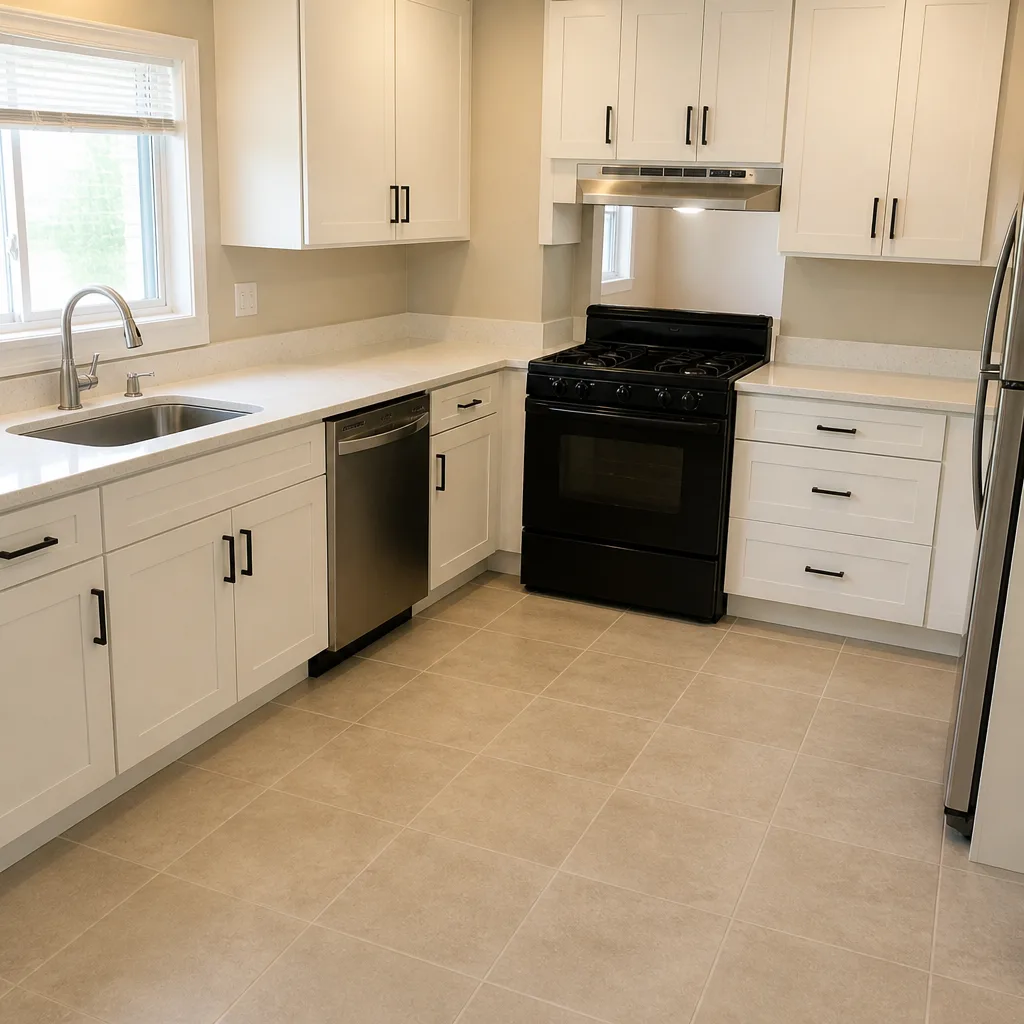
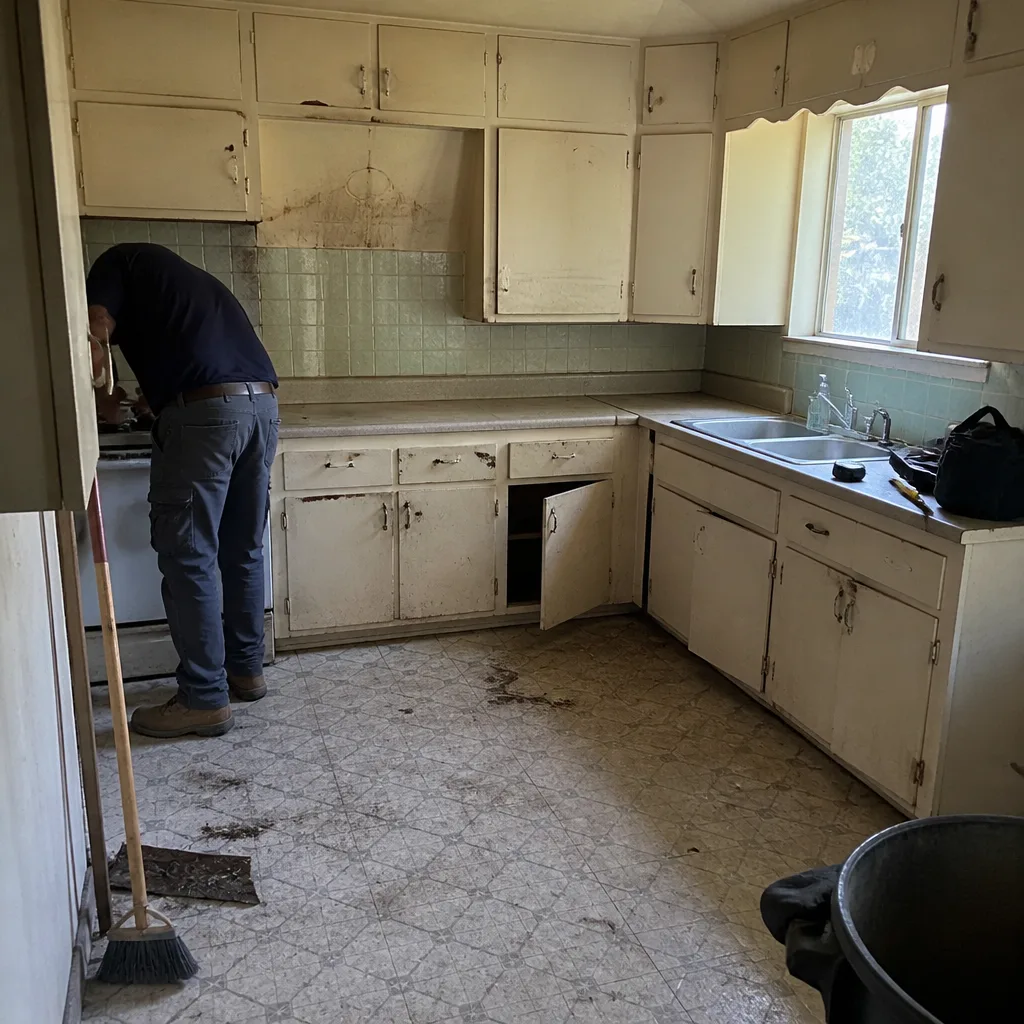
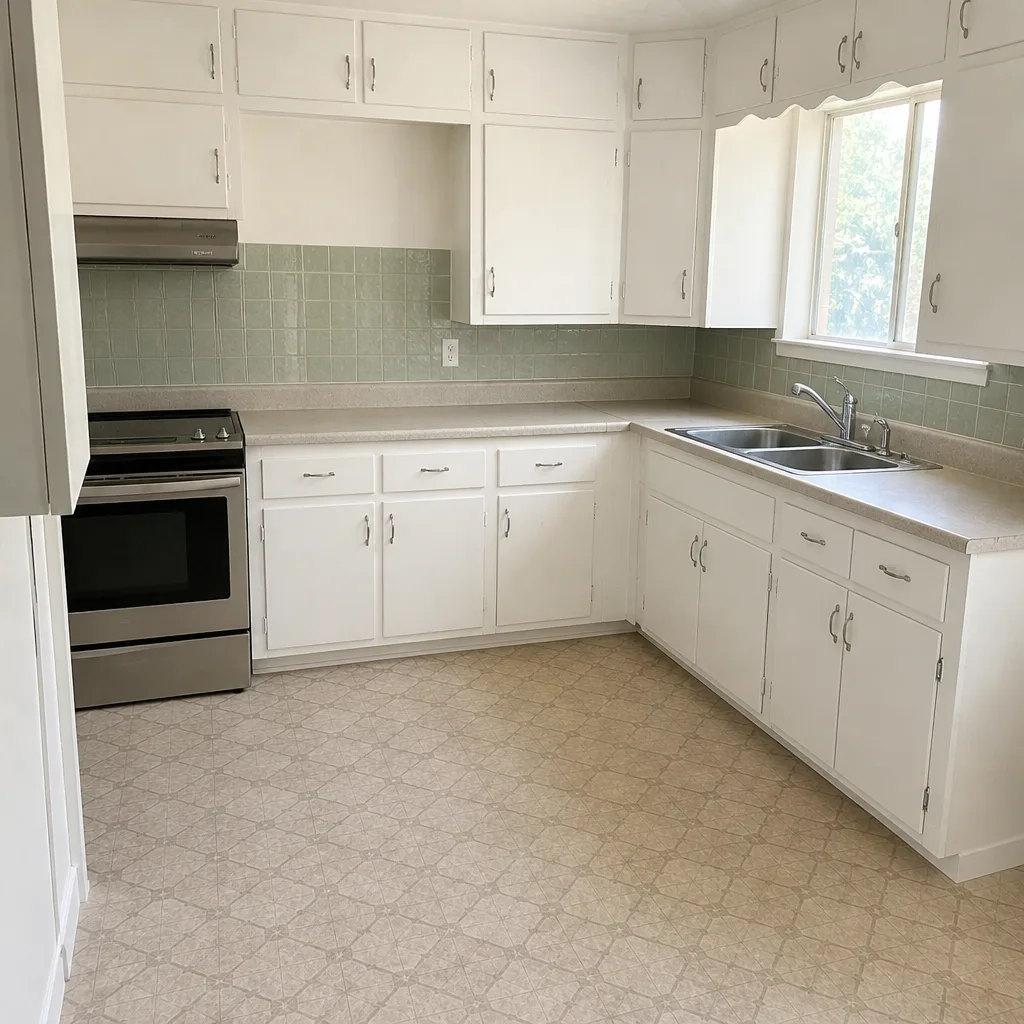
See the difference
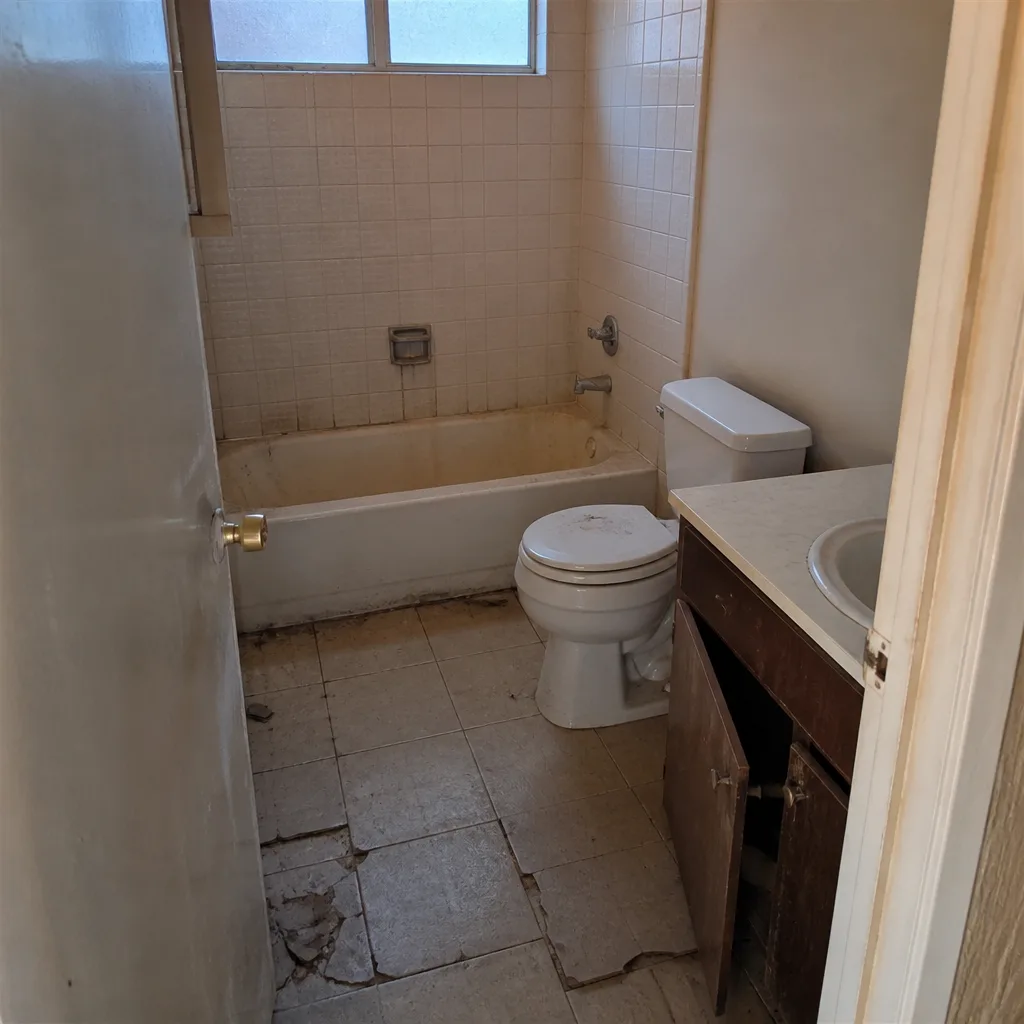 Before
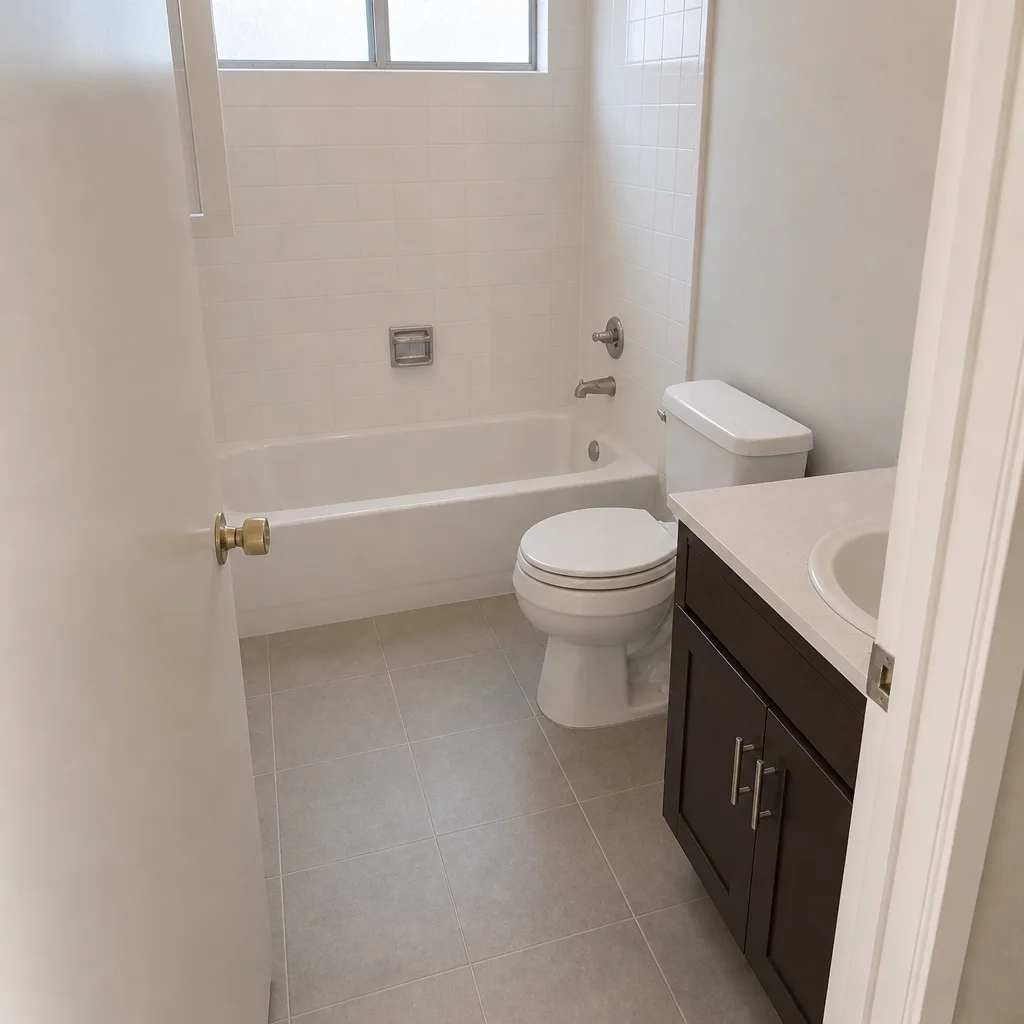 After
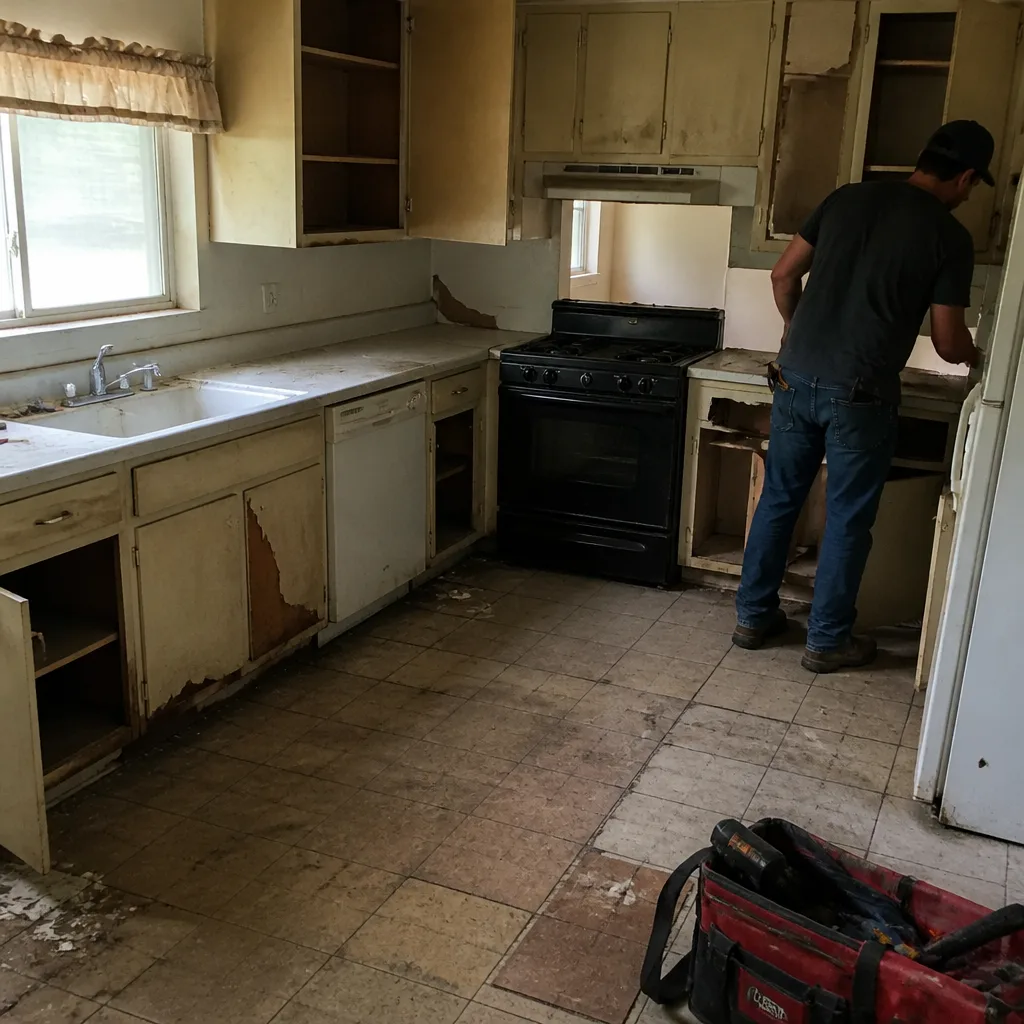 Before
 After
 Before
 After
When to Call a Professional
Some contractor problems need a phone call, some need a lawyer, and some need a licensed contractor to step in and correct the work. Call a professional contractor when the work has failed in a way that affects safety or function: a shower pan that leaks into the ceiling below, an electrical panel that was wired wrong, a soffit or exterior trim that’s letting water in, a structural change made without a permit. Call the Nevada State Contractors Board when you have a documented, written complaint and you want a licensing action. Call a lawyer when the money is beyond small claims. And call a remodeler you can verify when you’re starting from scratch and want to get it right this time.
If you’re in Winchester and want a straight look at what it will take to correct or finish a project, Bradford Remodeling Co Winchester offers free estimates. Call (844) 972-4839 and a live person picks up.
Frequently Asked Questions

Ask for the written project schedule and the next 30 days of milestones, and put the request in writing. That single step separates an ordinary scheduling delay from a cash-flow problem: a contractor who is on solid financial footing will produce the schedule, and a contractor who is in trouble will stall or give you a verbal assurance. Follow up any phone conversation with a summarizing email, and start a dated photo log of the site that day.
No. The NSCB can suspend or revoke a license, order correction of work, and in some cases order restitution, but it cannot order a contractor to show up tomorrow or complete specific work on your schedule. The board is a licensing body with remedial powers, not an emergency service. That’s why the written paper trail, and not the complaint itself, is what actually gives you leverage.
Correction costs vary widely by scope, so any honest number is a range. A failed shower pan is the most common single repair we see, and it typically runs well above the original install cost because the pan, tile, and substrate all come out. Rather than quote you a range you can’t trust, any qualified contractor should give you a written line-item price before any work begins, and we do that in Winchester on every estimate. Call (844) 972-4839 for an exact quote; estimates are free.
It shouldn’t. A written price before work begins, with no numbers that move at the door, is the standard any homeowner should insist on. The exception is concealed damage: if the contractor opens up a wall and finds something that wasn’t visible during the estimate, they should show you photographs and issue a written change order before proceeding. Anything else is a moving target, and a moving target is the reason to walk away and start over.
Substantial completion is the point at which the project is usable for its intended purpose even though minor punch-list items remain. It matters because that’s when final payment obligations and punch-list rights kick in. The catch is that Nevada law doesn’t give you an automatic definition; your contract should define substantial completion explicitly, including what happens at the walkthrough and how the final draw is held back. Without that definition, your punch list can stretch indefinitely.
In a Nevada small claims dispute, essentially no. A verbal promise to “come back and fix it” carries little weight on its own; what counts is a written guarantee with a defined period, a defined remedy, and a written process for reporting a failure. Get it in writing and in your hand at project close. Bradford backs every project with the 365-Day Done Right Promise: if the work fails inside a full year, we return and correct it at no charge, and that promise is on paper.
No, unless it’s a specific materials deposit spelled out in the original written price and backed by a purchase order or delivery confirmation. A milestone draw released before the work is done is money you may not recover if the contractor runs into financial trouble. If a contractor asks to move a milestone ahead, decline in writing and offer the walkthrough that releases the payment on completion; a contractor who won’t accept that arrangement is telling you something.
The Bottom Line
Most contractor problems mid-project are predictable, and nearly all of them trace back to what was never put in writing. Define substantial completion in the contract, demand a written milestone schedule, release draws only against completed work you’ve walked and photographed, and refuse a guarantee that isn’t on paper. If the project goes sideways anyway, the paper trail decides the outcome, not the phone calls. In Winchester and across Nevada, the homeowner with the cleanest file wins the argument every time. When you need a crew that puts it all in writing before a tool comes out, and stands behind it for a full year, call Bradford Remodeling Co Winchester at (844) 972-4839 for a free estimate.
Written by the team at Bradford Remodeling Co Winchester.