Last updated November 18, 2026



Free written scope consultation - allowances, timeline, and change-order rules on paper before a single trade is scheduled
DIY vs Professional Home Remodeling: What’s Safe to Do Yourself
A homeowner who installs their own backsplash crooked wastes a weekend and a few tiles. A homeowner who moves a load-bearing wall without a permit near Winchester creates an encumbrance on the property title that can delay or kill a future sale. Those two mistakes live in different categories. One is a cosmetic setback you can fix with a putty knife and patience. The other is a defect that every future contractor, appraiser and insurer has to price around. This guide draws that line for you: which remodel tasks in the Winchester area are genuinely safe to take on, which ones compound into expensive problems, and how to make the call before you buy materials.
Styles & brands we work with
- Kitchen remodeling
- Bathroom remodeling
- Home additions & ADU
- Roofing
- Windows & doors
- Driveway & pavers
- Fence
Quick Answer
Safe DIY remodeling is limited to cosmetic, surface-level work that is easy to inspect and easy to reverse: painting, swapping cabinet hardware, replacing a faucet, laying a small tile backsplash, installing shelving. Anything that touches structure, electrical, gas, plumbing rough-in, or requires a building permit in Clark County is not DIY territory in Winchester, NV. If a mistake would be hidden inside a wall, under a floor, or behind drywall, hire a licensed contractor.
Table of Contents
- The Two-Column Framework: Recoverable vs. Compounding Failures
- What’s Actually Safe to Do Yourself
- Nevada Permit Rules: What Clark and Lyon Counties Require by Law
- The Insurance and Appraisal Angle Nobody Explains Up Front
- The Handoff Cost: Why Fixing DIY Work Costs More Than Starting Fresh
- The Garrison Standard Decision Rule
- Winchester Climate and Why It Changes the DIY Math
- Common Mistakes to Avoid
- When to Call a Professional
- Frequently Asked Questions
The Two-Column Framework: Recoverable vs. Compounding Failures
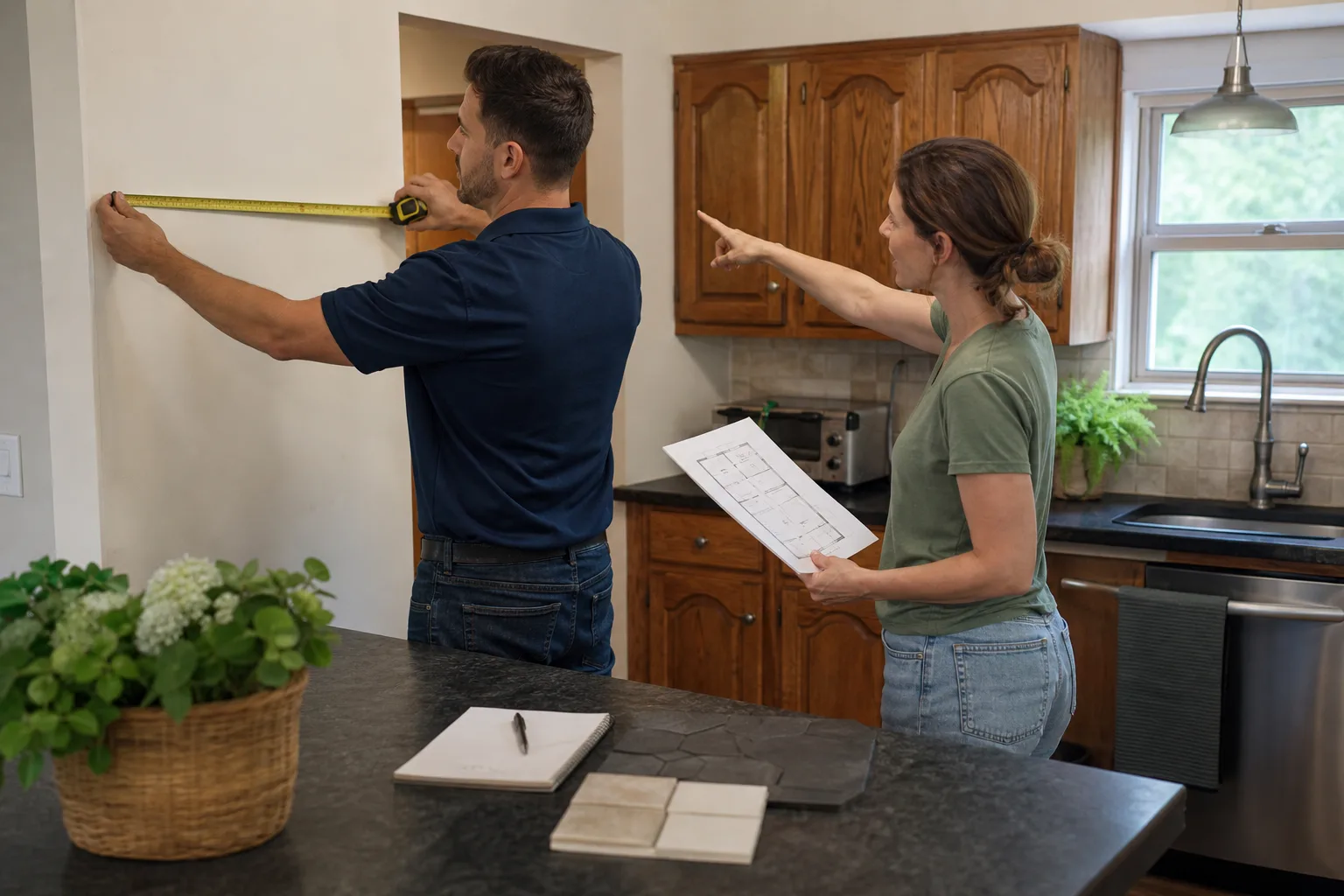
The useful DIY question isn’t “can I do this?” Most motivated homeowners can eventually figure out how to do almost anything with enough video tutorials. The real question is what happens when you get it wrong. Bradford draws a hard line here, and it’s the same line we use when we scope work through our general contractor service in Winchester.
Recoverable failures stay cosmetic. You sand them, patch them, repaint them, or pay someone a modest sum to correct them. They don’t affect the structure, the safety systems, or the legal record of your home. Compounding failures are the opposite: they hide inside assemblies, get buried behind drywall, and quietly create defects that cost real money to unwind years later. A crooked backsplash is recoverable. A shower pan that wasn’t sloped correctly is not, because the first sign of trouble is usually a soft spot in the subfloor and a stain on the ceiling below.
Two columns, roughly:
| Recoverable (usually DIY-safe) | Compounding (professional) |
|---|---|
| Interior paint and trim | Electrical circuits, panels, wiring |
| Cabinet hardware and pulls | Plumbing rough-in and drain lines |
| Faucet and showerhead swaps | Load-bearing wall changes |
| Small tile backsplash | Gas line work |
| Shelving, closet systems | Waterproofing and shower pans |
| Swapping light fixtures (same circuit) | Window and door openings |
If you can’t tell which column a task belongs in, that’s your answer. Move to the professional column.
What’s Actually Safe to Do Yourself
These are the tasks we regularly tell Winchester homeowners to keep for themselves. They don’t require a permit, they don’t put anyone in danger, and if you get one wrong the fix is small.
- Painting walls, ceilings and trim. Prep and cut-in work is the bulk of a good paint job, and a careful homeowner can match a pro result on a flat wall. Do the sanding and priming right and the paint will hold.
- Swapping cabinet hardware. Changing pulls on KraftMaid or Wellborn cabinetry is a matter of measuring hole spacing. Get a template and drill pilot holes.
- Replacing a kitchen faucet. Shut off the water supply first, use a basin wrench, and follow the manufacturer’s install sheet. A Kohler or Moen kitchen faucet comes with clear instructions and standard connections.
- A small tile backsplash. Under 30 square feet, on dry substrate, with pre-mixed adhesive and a tile saw you can rent. Watch your spacing and grout lines.
- Caulking and re-grouting. Cosmetic maintenance that prevents bigger problems later. Use the right caulk for the surface.
- Swapping a light fixture on an existing circuit. Turn the breaker off first. If the wiring in the box is old, aluminum, or you find anything that surprises you, stop and call an electrician.
- Closet systems, shelving, and interior storage. Anchored properly to studs, these are low-consequence installs.
Notice what’s not on the list. No electrical work beyond a fixture swap. No plumbing beyond a threaded connection. No structural changes. No waterproofing. The tasks above are bounded by the fact that a mistake is visible, easy to inspect, and easy to reverse.
Nevada Permit Rules: What Clark and Lyon Counties Require by Law
This is where most DIY advice online goes quiet, because it’s specific to where you live. In Winchester, NV, you fall under Clark County jurisdiction for permitting. The county requires a permit – and a licensed contractor – for anything that touches the structural, electrical, plumbing or mechanical systems of a home. That’s not a preference. It’s the law.
Roughly, these tasks require a permit in Clark County:
- Any wall removal, addition or modification that could affect structural load
- New or relocated electrical circuits, panels, or service changes
- New or relocated plumbing lines, including moving a sink or adding a bathroom
- Gas line installs, relocations, or appliance connections
- Water heater replacements
- Window or exterior door replacements that change the opening size
- Room additions, conversions and anything that changes the footprint
- New decks, patio covers, or shade structures above a certain size
A homeowner can pull what’s called an owner-builder permit for work on their own primary residence in some cases, but that permit carries real risk: you’re taking on the liability of the general contractor, including worker injuries on the job. Most homeowners are better off letting the licensed contractor pull the permit. Lyon County follows a similar pattern for its unincorporated areas. If you’re north near Dayton or Fernley, confirm the specifics with the Lyon County building department before you start.
The pattern is consistent: cosmetic changes generally don’t require permits, and any work inside the systems of the home does. Our team walks through permit scope on every bathroom remodeling project in Winchester before work begins, and the permit stays attached to the address in the county record. That matters if you sell.
The Insurance and Appraisal Angle Nobody Explains Up Front
Here’s the piece homeowners rarely hear until it bites them. Unpermitted work affects two things they care about: homeowner’s insurance claims and mortgage refinancing.
On insurance: most homeowner’s policies require you to disclose substantial renovations. If a fire starts in a circuit you added without a permit, or a shower pan you installed leaks into the framing and ruins the subfloor, the claim adjuster will look at whether the work was permitted and inspected. Unpermitted work can lead to a denied claim or a partial payout. That’s not a scare tactic, it’s a standard exclusion in a lot of policies.
On refinancing: an appraiser walks the home and checks the county record. An additional bedroom that shows up in person but not on the permit record creates what’s called a legal non-conforming use. The appraiser can’t count the square footage, the lender may require a retroactive permit or an as-built inspection, and closing gets delayed. In a Winchester market where refinancing is routine, that delay can cost you the rate you locked.
Permits are the paper trail. They’re also why our written scope on a kitchen remodel in Winchester calls out permit responsibility before day one. No surprises at the closing table.
The Handoff Cost: Why Fixing DIY Work Costs More Than Starting Fresh
Contractors charge more to fix or build on top of DIY work than to start from scratch, and it’s not a markup. It’s the cost of verifying someone else’s decisions.
When we start a project on untouched framing, we know what’s there. When we start on top of a homeowner’s weekend electrical project, we don’t. We have to open the wall, trace circuits, confirm the wire gauge, confirm the breaker, and confirm there’s no junction buried in insulation. That’s hours of labor that produce nothing visible. Then there’s the removal. If the tile you laid isn’t bonded correctly, we can’t tile over it. It comes out. If the shower pan you built has the wrong slope, the whole thing goes – the liner, the mud bed, sometimes the subfloor underneath. Those are costs that didn’t exist before.
Three trade examples of handoff cost in Winchester:
- Electrical: a homeowner ties a new kitchen circuit into an oversized breaker. The next electrician has to trace it, correct it, and re-inspect the whole panel to make sure nothing else was miswired. An hour of tracing replaces a two-minute connection.
- Bathroom: a DIY shower pan with no pre-slope means the liner sits flat, water pools, and the subfloor rots under the tile. The contractor who fixes it pulls the tile, pulls the liner, replaces the subfloor, and re-waterproofs. The homeowner paid twice.
- Structural: a wall was removed without a permit. Every future contractor who touches that room has to price in an engineer’s letter and a potential retrofit beam. The original wall removal was cheap. All the cost lands on the correction.
This is why the handoff cost is real and why a pro will tell you it can add 15-30% to a project that starts on top of unknown DIY work.
The Garrison Standard Decision Rule
Here’s a simple test before you start any project in Winchester. Ask yourself: can I write a scope and a guarantee for my own work?
A scope means a specific, itemized list of what you’re going to do. Not “update the bathroom.” Something like “remove existing vanity, install 36-inch single-bowl vanity, replace faucet, set mirror, repaint walls, re-caulk tub surround.” If you can’t break your project down that specifically, you don’t yet know what you’re doing, and that’s the surest sign it’s not DIY territory.
A guarantee means you’d come back and fix your own work for free if it fails inside a year. Would you? If the answer is “no, I’d have to call somebody,” then you’ve just answered the DIY question. That’s the logic behind The Garrison Standard, and it’s why every completed Bradford project carries the 365-Day Done Right Promise – if the work doesn’t hold within a year, we come back and correct it at no charge. Very few homeowners could honestly offer that guarantee on their own backsplash or shower pan.
If you can write both the scope and the guarantee, DIY. If you can only write the scope, call a pro.
Winchester Climate and Why It Changes the DIY Math
Winchester’s desert climate is different from what most DIY guides assume. The low humidity and high summer heat change how materials behave, and some mistakes that would be forgiven in a wetter climate compound here.
Tile adhesive and grout dry fast in summer heat. On a 105-degree day, a slow DIY installer gets a dry, weak bond before the tile is even set. Waterproofing membranes need to cure at the right temperature range. If the substrate wasn’t properly dampened first, the thinset flashes off and you get hollow spots you’ll hear a year later. Exterior work is the same story in reverse: paint applied in direct sun on a 100-degree afternoon will fail early because the surface drys before the film forms. In winter, morning temps near Winchester can dip low enough to slow cure times on anything hydraulic – stucco patches, grout, mortar. If you’re planning an outdoor project, our team would rather see it in April than August.
The dry air also hides plumbing leaks. A slow drip under a sink wicks into cabinetry and doesn’t smell or swell the way it would in a humid climate. It just quietly rots the toe kick. That’s one reason we treat plumbing changes – even small ones – as compounding risk in Winchester, not cosmetic.
Common Mistakes to Avoid
- Removing a wall without checking for load. A wall that looks interior can still be carrying the ceiling joists. In Winchester’s older tract homes, this is the most expensive mistake we see corrected.
- Burying a junction box inside a wall. Electrical connections must remain accessible. A covered junction is a fire hazard and will fail an inspection every time.
- Laying tile over an unlevel substrate. Desert slab floors often have a slight pitch toward the garage or a low spot in the middle. It doesn’t show until the tile is down and you can feel the rock underfoot.
- Using drywall in a wet zone. Green board is not the same as cement board, and neither one replaces a proper waterproofing membrane in a shower.
- Skipping the permit to save time or money. The permit is the cheapest part of the project. The retroactive process is the expensive part.
- Assuming DIY saves the whole contractor cost. The material, tool rental, disposal, and remediation often eat 30-50% of the difference – especially on tile, plumbing, and electrical.
- Not measuring twice for cabinet hardware. A single mis-drilled hole in KraftMaid or Wellborn cabinetry means a filler plate or a new door. Measure from the center of the hole, not the edge.
When to Call a Professional
Call a licensed contractor when a mistake could be hidden inside a wall, under a floor, or behind drywall. Specifically: any electrical beyond a simple fixture swap, any plumbing beyond a threaded connection, any structural change, any waterproofing, any gas line, any permit-required work, and any project where you can’t write both a scope and a guarantee. If you’ve already started something and you’re not sure it’s right, call before it gets covered up – the inspection cost today is far cheaper than the removal cost in two years.
At Bradford Remodeling Co Winchester, we give you a written price before work begins, the crew is background-checked and uniformed, and a live person answers the phone around the clock. Every completed project carries the 365-Day Done Right Promise. Call our team at (844) 972-4839 for a free estimate in Winchester – we’ll tell you plainly which parts of your project are safely yours and which parts aren’t.
Frequently Asked Questions
Only if your work stays entirely cosmetic – paint, fixtures, vanity swap, mirror, caulk. In Clark County, moving plumbing, adding a circuit, changing the shower pan, or altering a wall requires a permit. Anything that touches water, power, or structure needs the county’s sign-off and a licensed contractor. Call (844) 972-4839 if you want a straight answer on your specific scope.
Removing a wall without checking for load or pulling a permit. It’s cheap to do, and expensive to unwind – typically several times the original removal cost by the time the engineer, the permit, the retrofit beam and the drywall repair are done. Unpermitted structural changes also create title problems at sale.
Plan on 15-30% more than starting fresh. The premium covers what a contractor calls the handoff cost: verifying what’s already there, opening walls to inspect, and removing work that can’t be built on. On shower pans and tile, it can be closer to full replacement, since the wrong substrate comes out before the correct one goes in.
Yes. Most policies require disclosure of substantial renovations, and an adjuster can deny or reduce a claim if the damage traces to unpermitted work. It also affects refinancing: an appraiser can’t count square footage that isn’t on the record, and a lender may require a retroactive permit before closing.
For a same-circuit fixture swap, generally yes. For new circuits, panels, outlets, or any wiring behind the wall, no – those require a licensed electrician and a permit. Electrical work is the clearest compounding failure on our list. Errors don’t show until they arc, and by then the correction is expensive and the risk to your family is real.
Six to ten weeks for a mid-range kitchen – demolition, permits, rough-in, cabinetry, surfaces, tile and final trim. The permit phase itself adds one to two weeks in Clark County. Doing the cabinet demo yourself can shave a day, but pulling permits and coordinating trades yourself adds weeks of delay, not days.
Call (844) 972-4839 for an exact quote on your Winchester project – estimates are free.
The Bottom Line
DIY makes sense when the consequences of getting it wrong are cosmetic and the correct work is easy to inspect. It stops making sense the moment your work touches structure, electrical, plumbing rough-in, gas, waterproofing, or the permit record. Two questions settle it: if this fails, will the failure be visible before it costs real money? And could you write a guarantee on your own work? If either answer is no, hire a licensed contractor. Bradford Remodeling Co Winchester handles the work that has to be done right from the first day – with a written price up front and the 365-Day Done Right Promise on every completed project. New to our Winchester home remodeling work? Start there and call (844) 972-4839 for your free estimate.
Written by the team at Bradford Remodeling Co Winchester.
See the difference
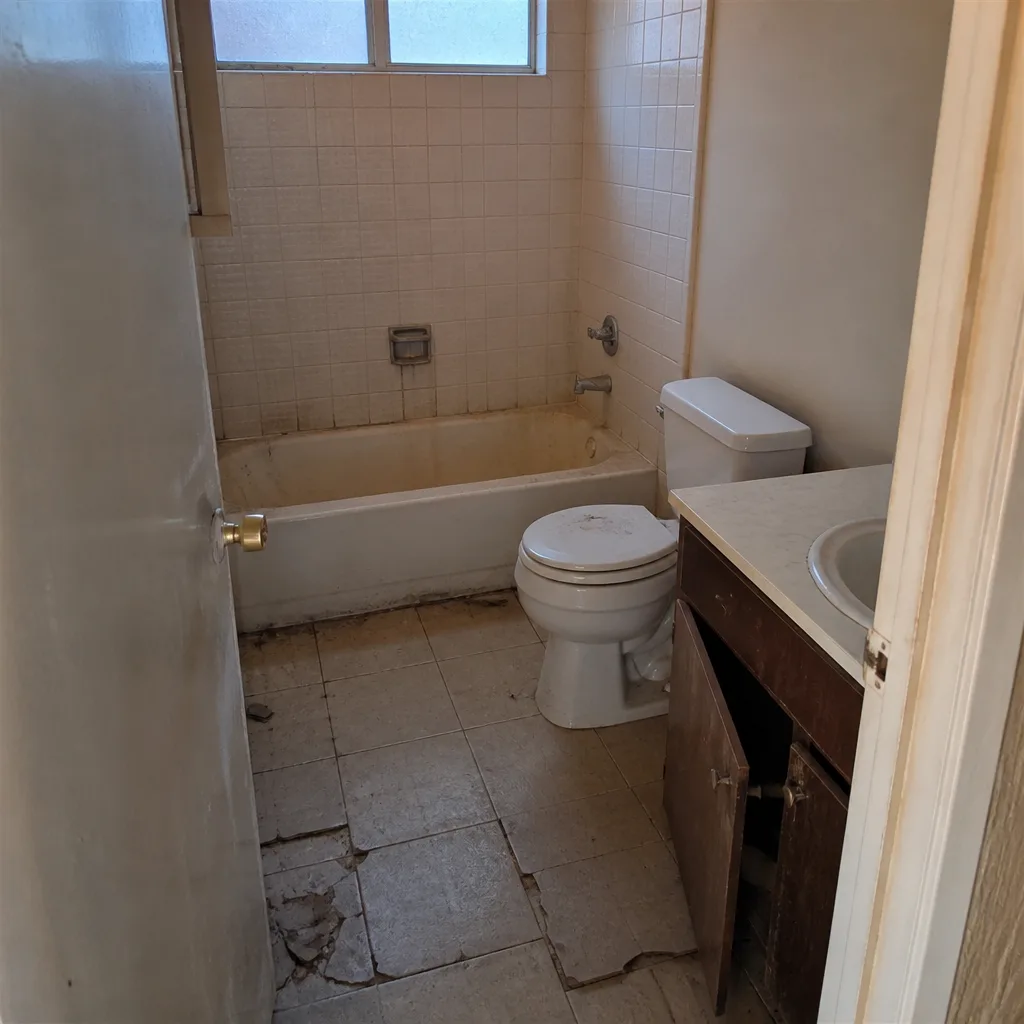 Before
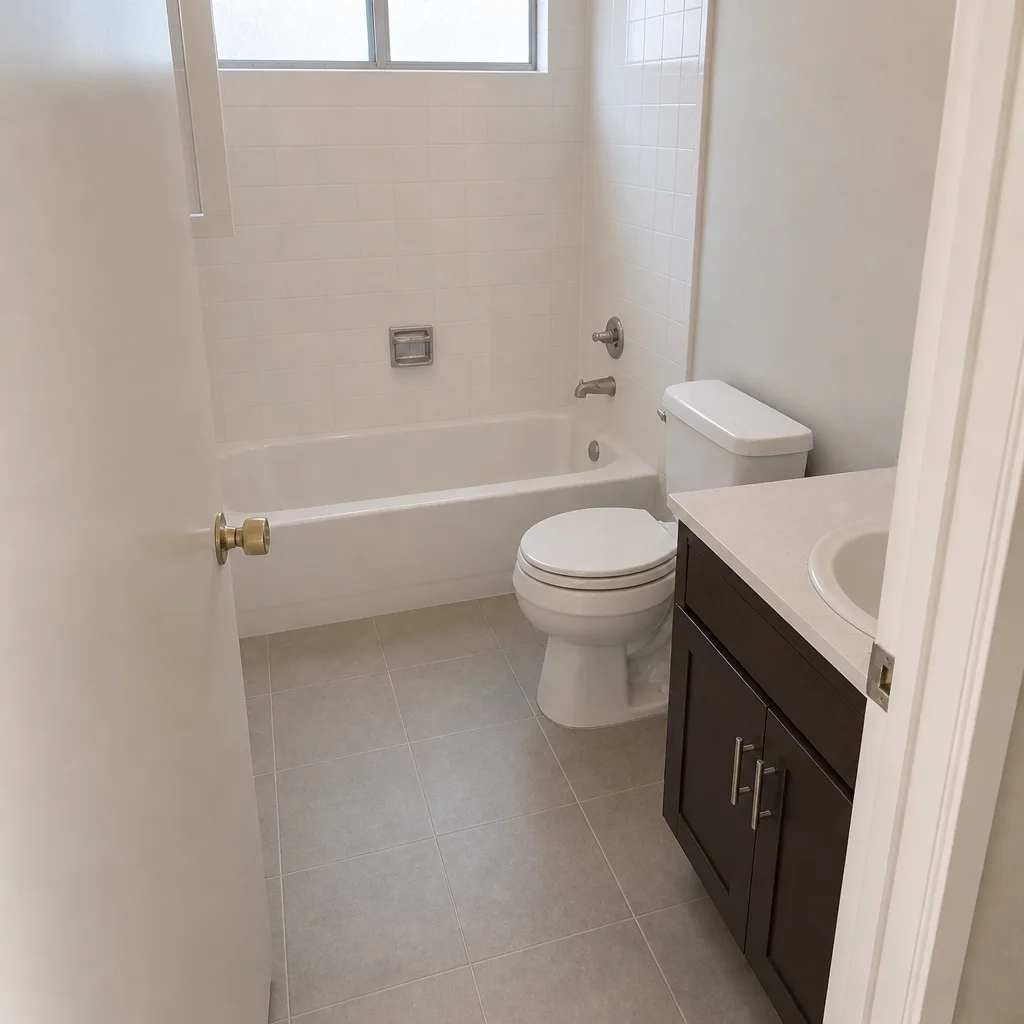 After
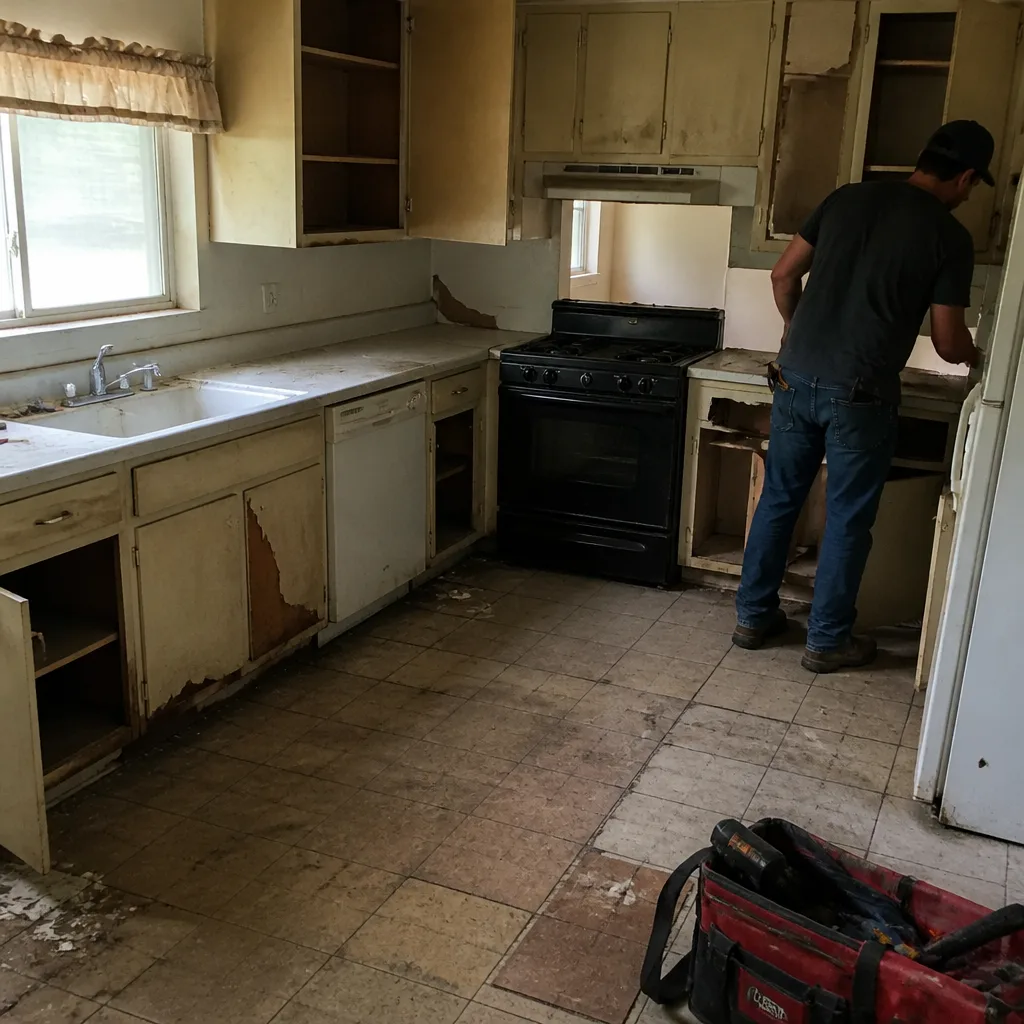 Before
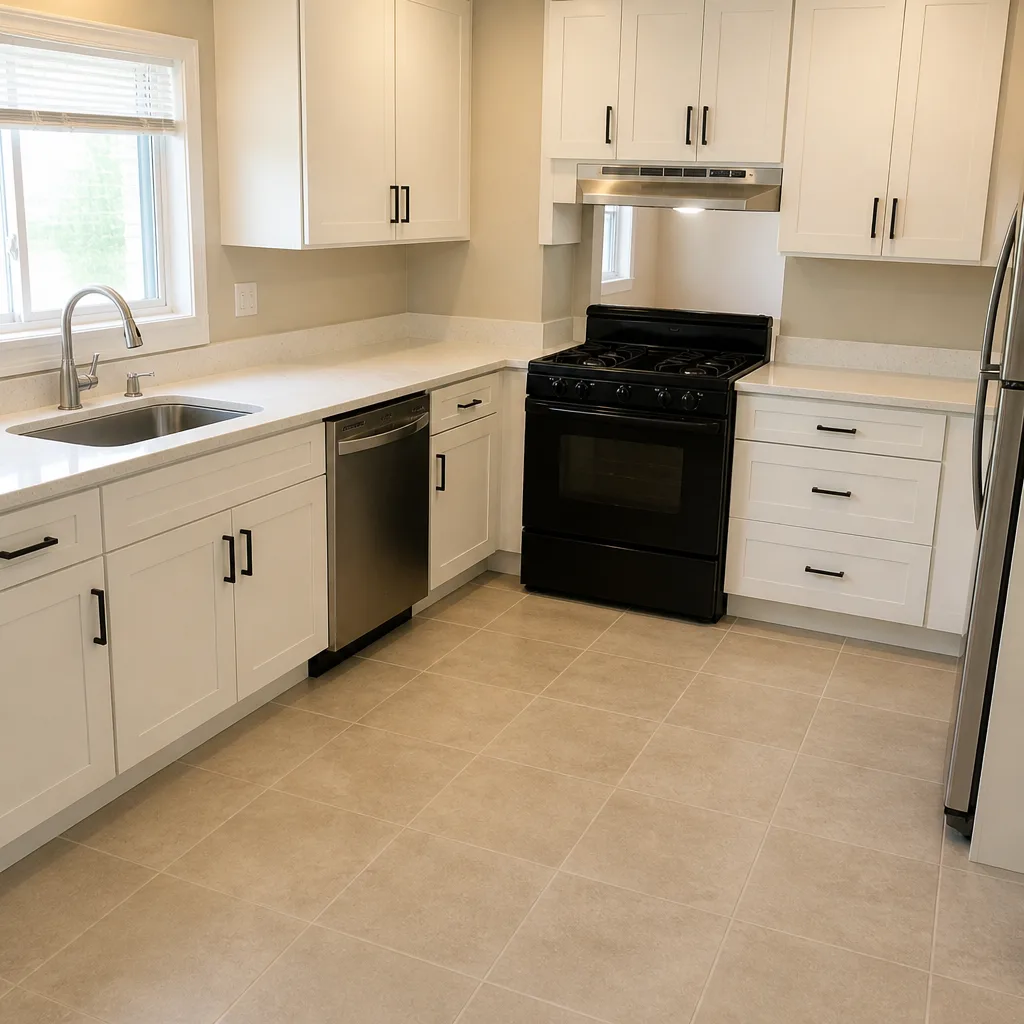 After
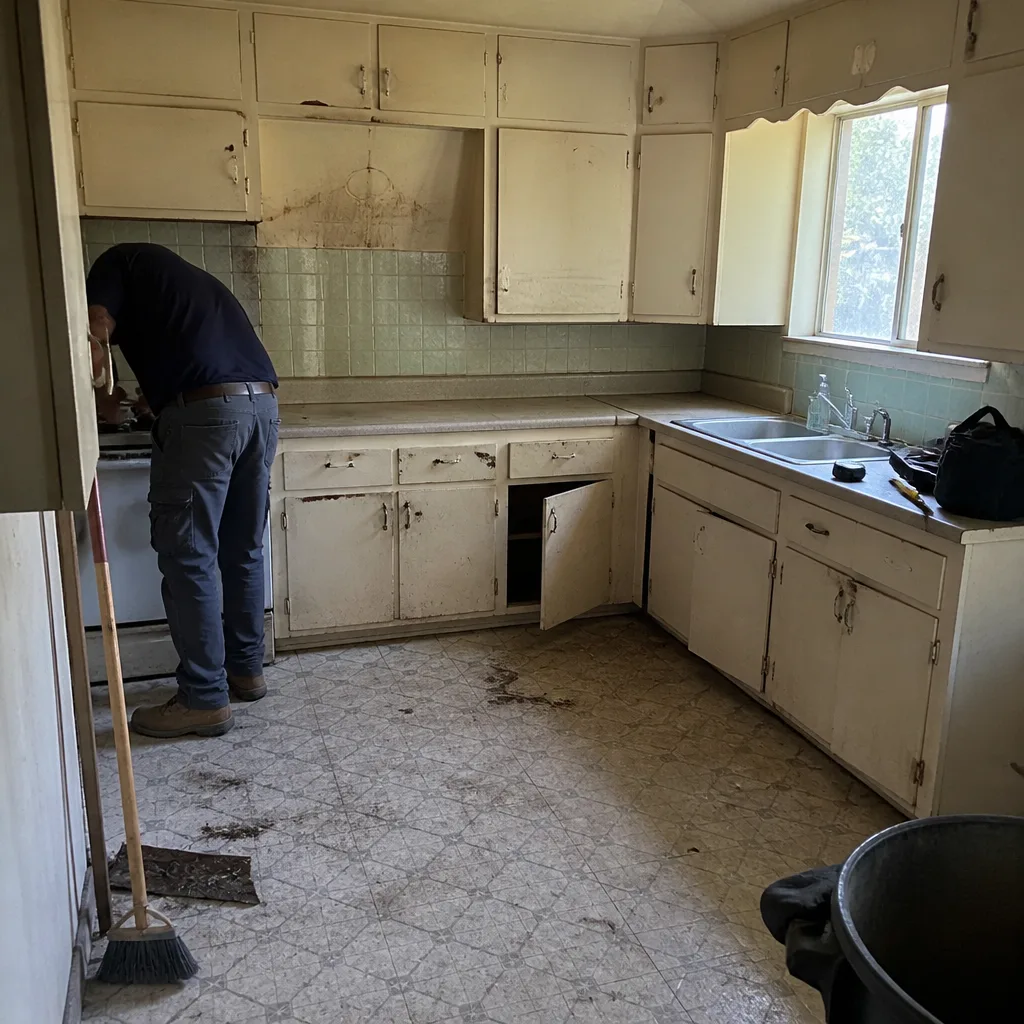 Before
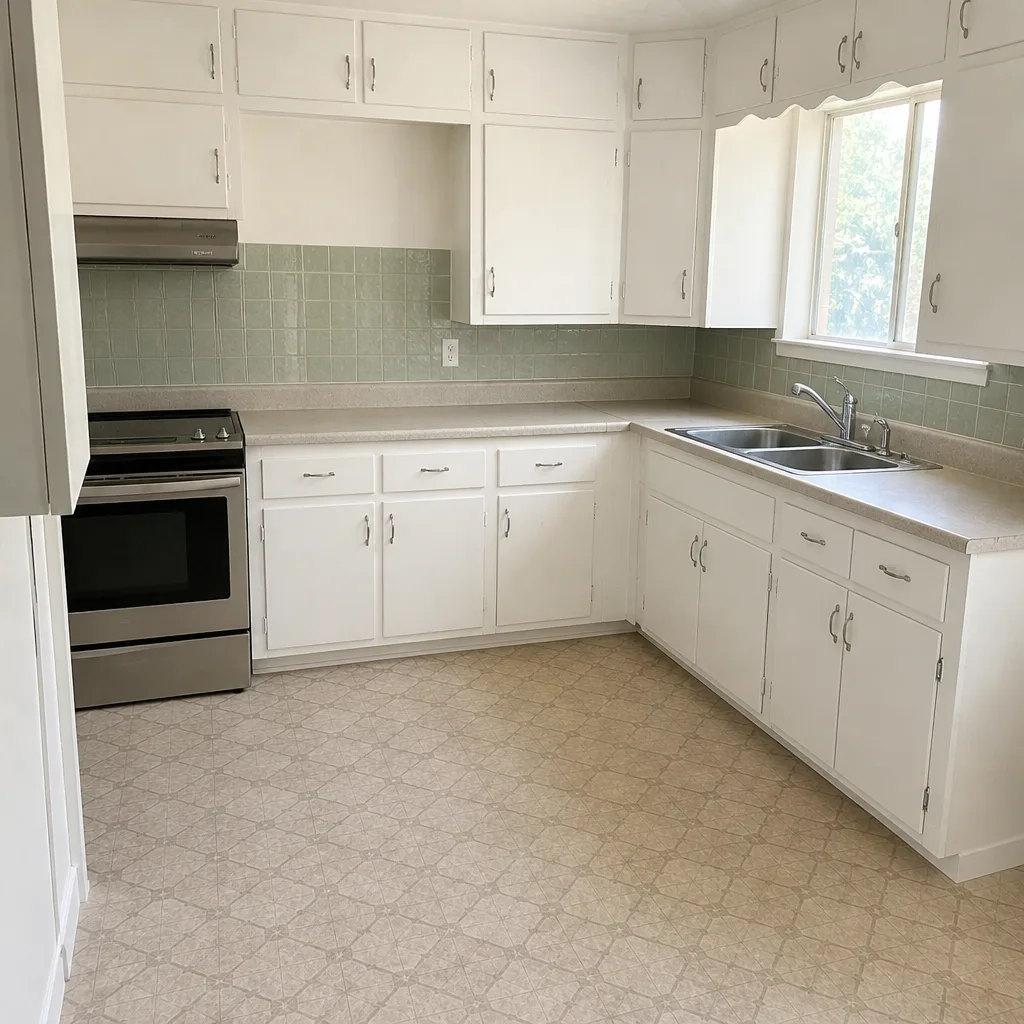 After