Last updated November 18, 2026







Free written scope consultation - allowances, timeline, and change-order rules on paper before a single trade is scheduled
General Contractor Warning Signs Every Homeowner Should Know
The most dangerous bid isn’t the highest one. It’s the one that lands 20 percent under everyone else, with no line items to explain the gap. In Winchester, that gap usually points to unlicensed subs, permits that never get pulled, or a draw schedule built to collect your money before the work is done. We’ve walked into plenty of half-finished Winchester remodels where the homeowner saw every one of these flags and didn’t know what they were looking at. This guide names them: the contract omissions, the estimate-room behaviors, the license records, and the draw schedules that predict a bad job before the first nail is driven.
Quick Answer
The biggest warning signs when hiring a contractor are a missing written scope, a payment schedule not tied to completed milestones, vague answers about who will actually do the work, and reluctance to pull permits. In Winchester, a legitimate contractor will hand you a written price, show a valid license and bond, and put every guarantee in writing before work starts. If any of that is missing, walk away.
Styles & brands we work with
- Kitchen remodeling
- Bathroom remodeling
- Home additions & ADU
- Roofing
- Windows & doors
- Driveway & pavers
- Fence
Table of Contents
- The Five Contract Omissions That Predict Project Failure
- Behavioral Red Flags During the Estimate
- How to Check a Contractor’s License, Bond, and Complaints in Five Minutes
- The Front-Loaded Draw Schedule: How Homeowners Get Stranded
- Busy or Overextended? How to Tell Before Your Job Gets Dropped
- Winchester-Specific Factors That Hide Bad Contractors
- Why Material Specificity Is a Trust Signal
- Common Mistakes to Avoid
- Frequently Asked Questions
The Five Contract Omissions That Predict Project Failure
Most homeowners read a contract for the price. The failures hide in what the contract doesn’t say. We’ve reviewed hundreds of bid documents in Winchester, and nearly every doomed project is missing the same five pieces. When a contractor’s paperwork skips these, it isn’t an oversight. It’s a structure.
- No payment schedule tied to milestones. A real schedule names each draw and the specific work that unlocks it: framing complete, rough-in inspected, drywall hung. “Half down, half on completion” tells you nothing about what you’re buying at each step.
- No written scope. Scope means the itemized list of what’s included and excluded. Without it, “standard installation” becomes whatever the contractor decides on the day. On a kitchen, that’s the difference between a specified Cambria countertop and an unnamed substitute.
- No permit responsibility clause. The contract should state, in plain language, who pulls the permit and who pays for it. No clause means no one is accountable when an inspector flags the work.
- No lien waiver process. A lien waiver is a signed document confirming a subcontractor or supplier has been paid and won’t file a claim against your property. Without a waiver at each draw, you can pay the GC in full and still owe a supplier for materials used in your home. In Nevada, that exposure is real.
- No defined warranty. “We stand behind our work” is not a warranty. A warranty names the covered defects, the duration, and the remedy. If the term isn’t written, it doesn’t exist.
Any one omission deserves a question. All five in the same document deserve a different contractor. Our General Contractor in Winchester page shows what a written scope and milestone schedule look like in practice.
Behavioral Red Flags During the Estimate
The bid is a trailer for the job. How a contractor behaves in the estimate stage usually repeats on site, at month two, when problems come up. Watch for these behaviors during the visit:
- Vague answers about subcontractors. Ask directly: who will do the plumbing rough-in, and are they licensed and insured? A straight answer names the process. A shrug or “we have guys” means your project will run on the same guesswork.
- Pressure to decide same-day. “This price is good today only” is a sales tactic, not a construction reality. Established contractors want the job done right, not fast. Any deadline that expires by sunset is a signal to protect yourself, not sign.
- Reluctance to pull permits “to save you money.” This is the loudest warning in the trade. In Clark County, unpermitted work can force a correction order, complicate future inspections, and put your insurance coverage in question. Skipping the permit saves the contractor, not you.
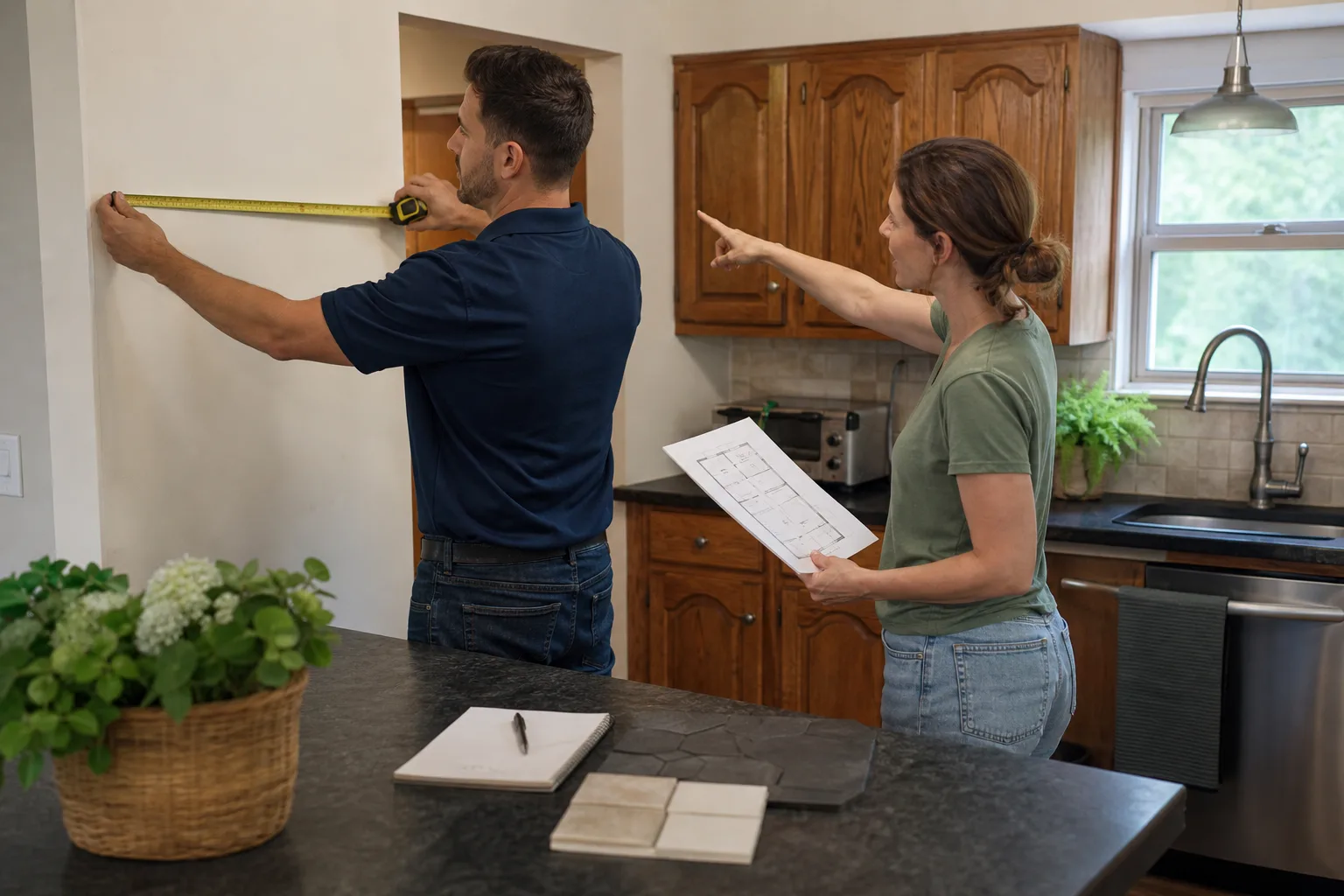
- No written price at the door. A real estimator takes measurements and sends a written itemized quote. Numbers scribbled on the back of a card aren’t a price; they’re a starting point the contractor can move later.
- Questions about your neighbors or your schedule with a hint of something off. Vague curiosity about when you’ll be away sits oddly. A legitimate crew schedules around you and documents who enters the property.
None of these are personality clashes. They’re process signals. A contractor with a documented system behaves the same at your kitchen table as at the foundation.
How to Check a Contractor’s License, Bond, and Complaints in Five Minutes
Nevada requires general contractors to hold a license from the Nevada State Contractors Board (NSCB). The board publishes its records, and you can check them yourself before you sign anything. Here’s the sequence:
- Look up the license number. The NSCB database shows the license classification, expiration date, and whether it’s active. Ask for the number in writing, then verify it. Never rely on a number printed on a truck or a business card.
- Check the bond amount. The bond is the fund you can claim against if the contractor defaults. A low bond caps what you can recover. Compare the listed bond amount to your project size; if the bond is far smaller than your contract, your protection is thin.
- Read the complaint history. Not every complaint means a bad contractor. But look at the pattern: what kind of complaint, was it resolved, and did the board act. Repeated failures to respond are a bigger signal than any single dispute.
- Confirm the classification. The license classification must match the work. A residential specialty classification doesn’t cover a full structural remodel.
- Cross-check insurance. Ask for a current certificate of liability and workers’ compensation. A contractor who can’t produce one within a day is running a risk you’d be paying for.
This takes less time than reading a single review page, and it tells you more than a hundred of them. In Winchester, we recommend saving this check for every contractor you shortlist, including the one you like.
The Front-Loaded Draw Schedule: How Homeowners Get Stranded
The draw schedule is where good money goes bad. A normal schedule spreads payments across completed milestones with the final payment held until punch list is signed off. A front-loaded schedule asks for 40 or 50 percent at signing, then front-loads the next draw before materials even arrive on site.
Here’s what that looks like in practice. On a whole-home remodel, a front-loaded schedule might ask for $40,000 of a $120,000 contract before demolition is complete. The contractor hasn’t purchased the cabinets, hasn’t paid the subs, and hasn’t scheduled inspections. When the crew vanishes to another job in another part of Winchester, you’re out the money and holding a contract that gives you no leverage to bring them back.
What a healthy schedule looks like:
- Deposit for materials and mobilization: enough to order, not enough to walk with
- A draw tied to a specific completed milestone, verified in writing
- Inspection signoffs built into the schedule, not omitted
- Final payment released at punch list completion, not at “substantial completion”
- Lien waivers from subs and suppliers at each draw
The rule is simple: money follows completed work. If the schedule reverses that direction, the schedule is doing something other than paying for construction.
Busy or Overextended? How to Tell Before Your Job Gets Dropped
A busy contractor is a good sign. An overextended one is your future problem. The difference isn’t in what they tell you; it’s in the logistics.
Busy looks like a crew assigned to your job with a written schedule and a start date you can put in a calendar. Overextended looks like “we’ll get to you as soon as this other job wraps up,” with no date. A contractor with six crews and three open jobs can absorb a delay. A contractor with one crew and six open jobs will drop yours the moment a bigger project closes.
Three questions separate the two:
- What’s the start date and the projected completion date, in writing? A contractor who can’t name them isn’t ready for your project.
- Who is the crew lead assigned to my job, and are they background-checked? Vague staffing answers mean the crew will be assembled on your driveway. Bradford Remodeling Co Winchester sends background-checked, uniformed technicians with every crew, and homeowners know who’s coming through the door before the truck arrives.
- What happens if the timeline slips? A disciplined contractor has a catch-up plan in writing. A rolling “we’ll see” is the plan.
Busy contractors cap the number of jobs they’ll open. Overextended ones stack them. You can often tell which one you have by how eager they are to sign a second project before finishing the first.
Winchester-Specific Factors That Hide Bad Contractors
Some warning signs are local, and they don’t appear on a one-star review. Winchester has its own patterns.
Desert heat is hard on exterior materials. A contractor who quotes a standard exterior approach without referencing UV-rated products and heat-tolerant sealants is handing you a warranty claim. We regularly see asphalt shingles cracked around attic vents on west-facing slopes in Winchester, and stucco separation where a crew used interior-rated caulk on exterior joints. A contractor who can name those facts has worked the climate; one who can’t hasn’t.
Codes matter too. Clark County inspection lines are specific about rough-in times, electrical panel labeling, and inspection sequencing. A contractor who suggests “we can get the inspection later” is telling you something you can’t unhear. Likewise, moisture under a stucco wall is a specific Winchester issue. A contractor who skips a moisture check on exterior walls before quoting a remodel has skipped a step that will cost you at year two.
On kitchens, the finish materials are a test of traceability. When a contractor specifies Cambria or Caesarstone by name, with manufacturer documentation, you have something to hold them to. When the quote says “granite or similar,” you have a placeholder that gets replaced at the countertop supplier.
Why Material Specificity Is a Trust Signal
A contractor’s bid tells you whether they’ve thought about the job or just guessed at it. Named materials are a shortcut to the answer.
When a bid names KraftMaid or Wellborn cabinetry, Kohler fixtures, Cambria or Caesarstone surfaces, or GAF shingles, it means the contractor has a documented relationship with those manufacturers. The specifications are traceable, and the manufacturer warranty backs the product. When the bid says “premium cabinets” or “faucet allowance,” you have a number but no product. Any substitution becomes a margin opportunity, not a decision you get to make.
This is where Kitchen Remodeling in Winchester and Bathroom Remodeling in Winchester projects are won or lost before demolition. Sinks, shower valves, and cabinet boxes don’t fail on their own; they fail because the spec was placeholder. A contractor willing to put names on paper is telling you the specs are already decided.
See the difference
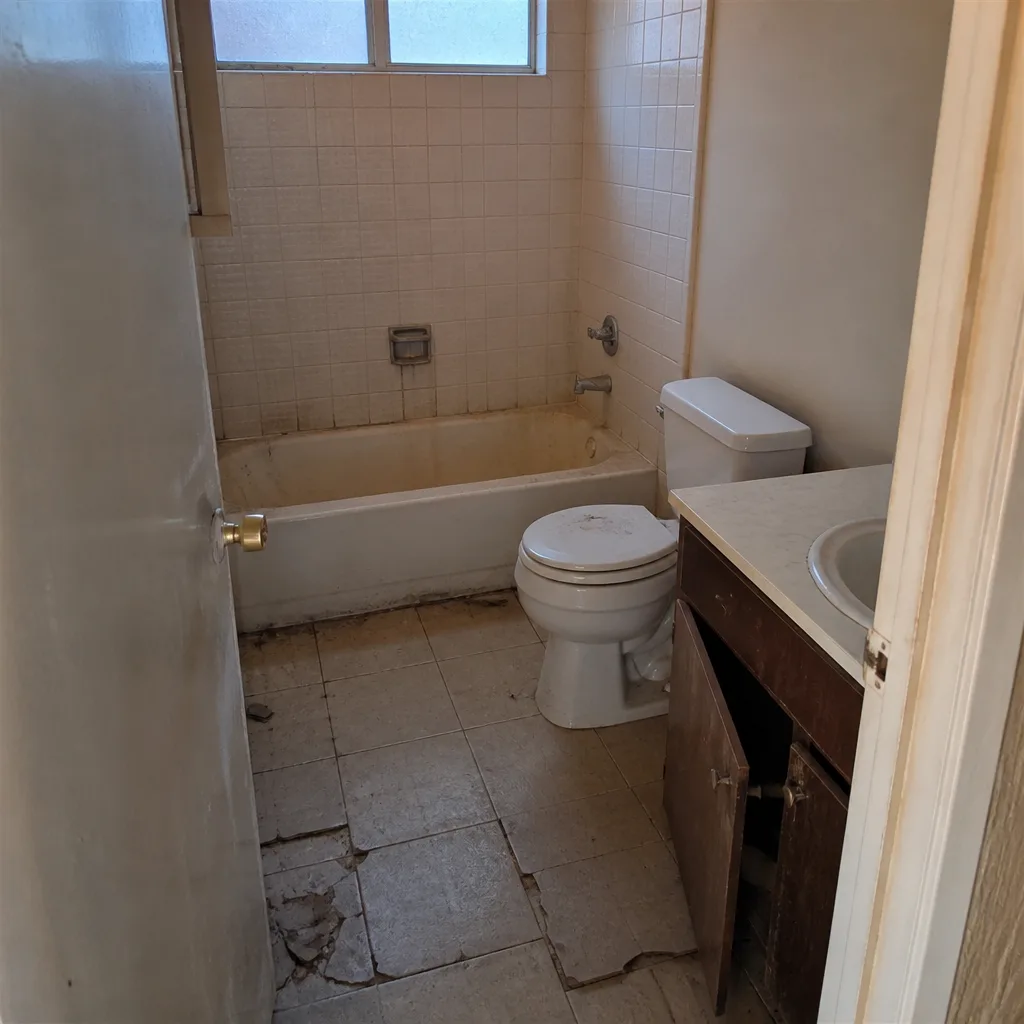 Before
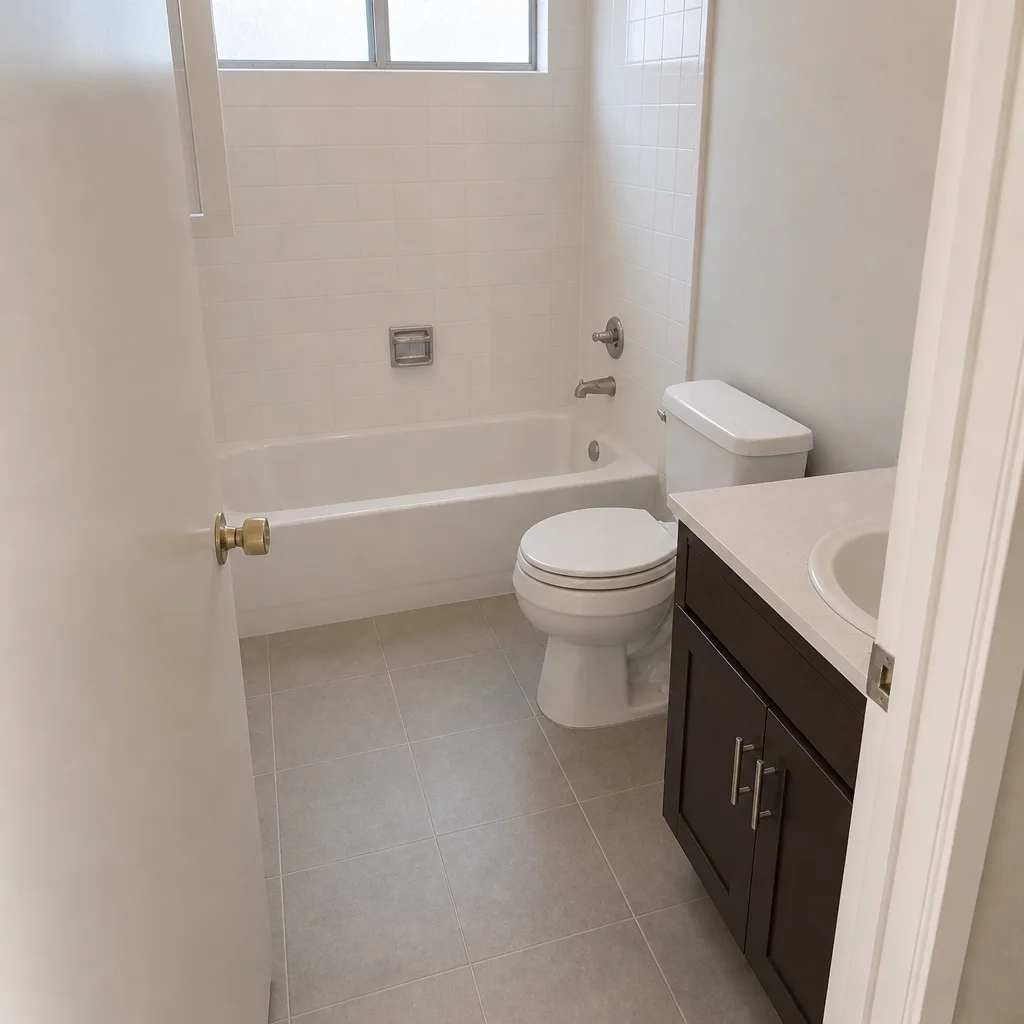 After
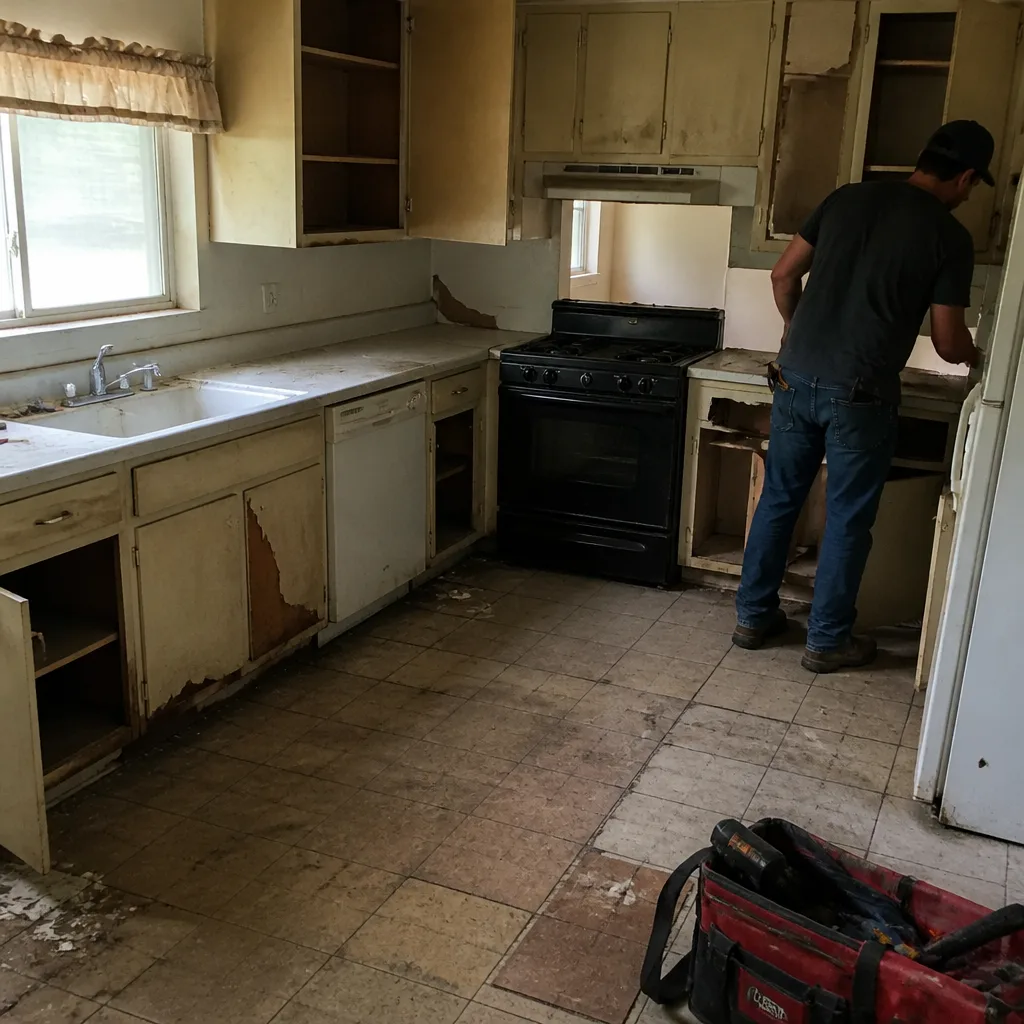 Before
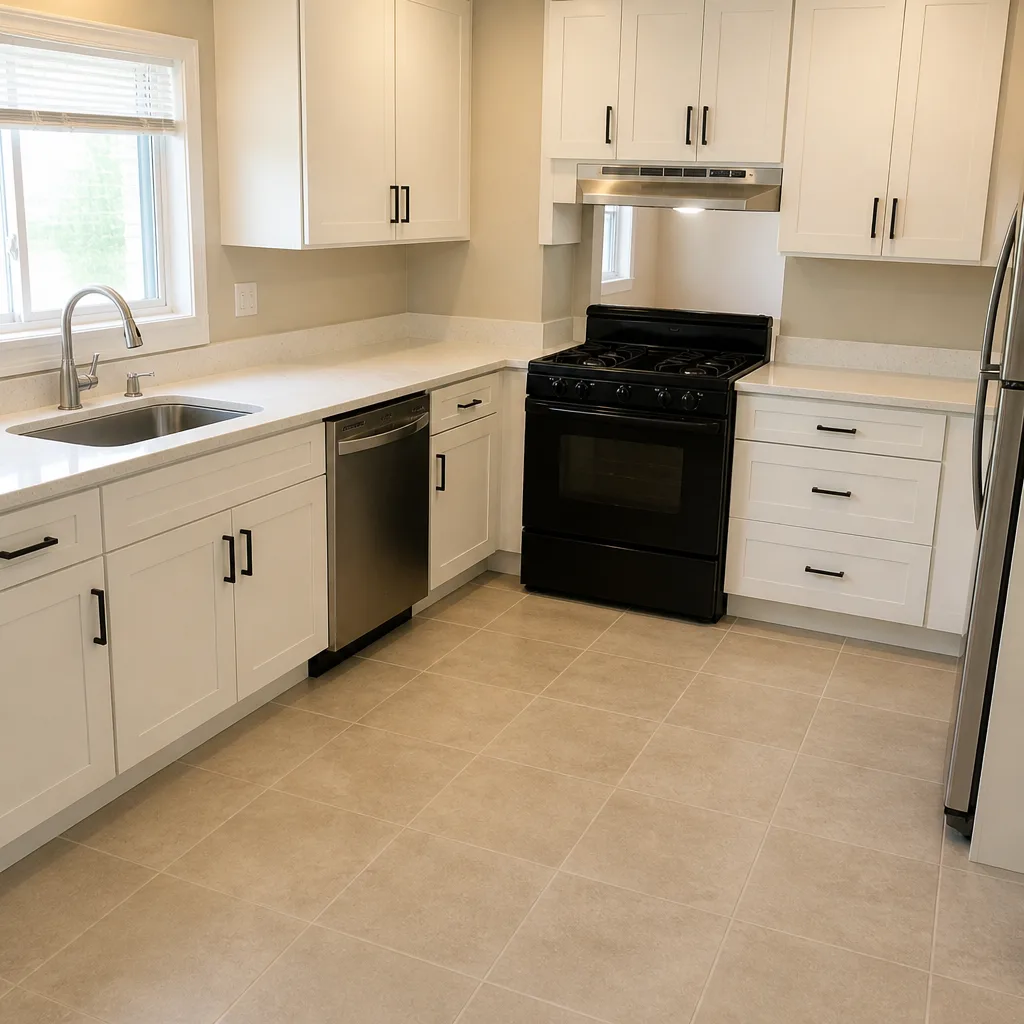 After
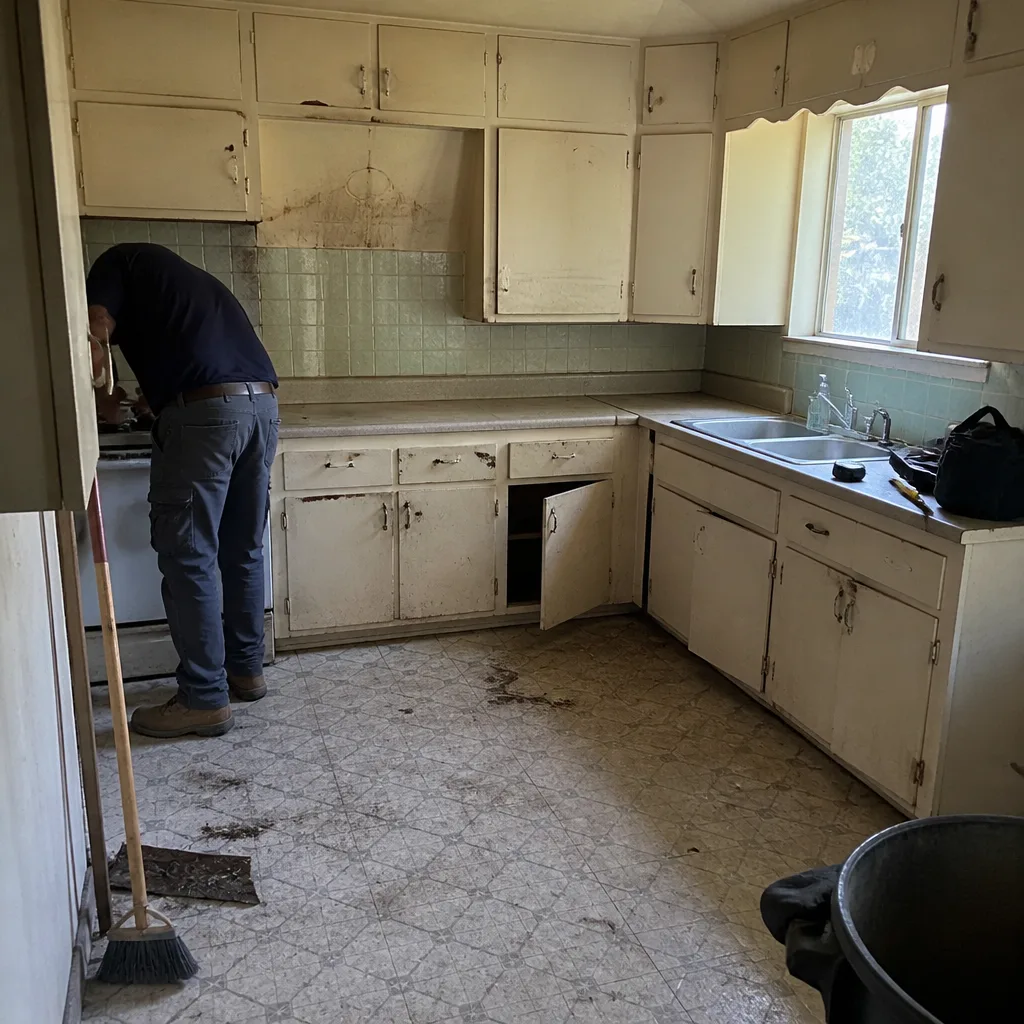 Before
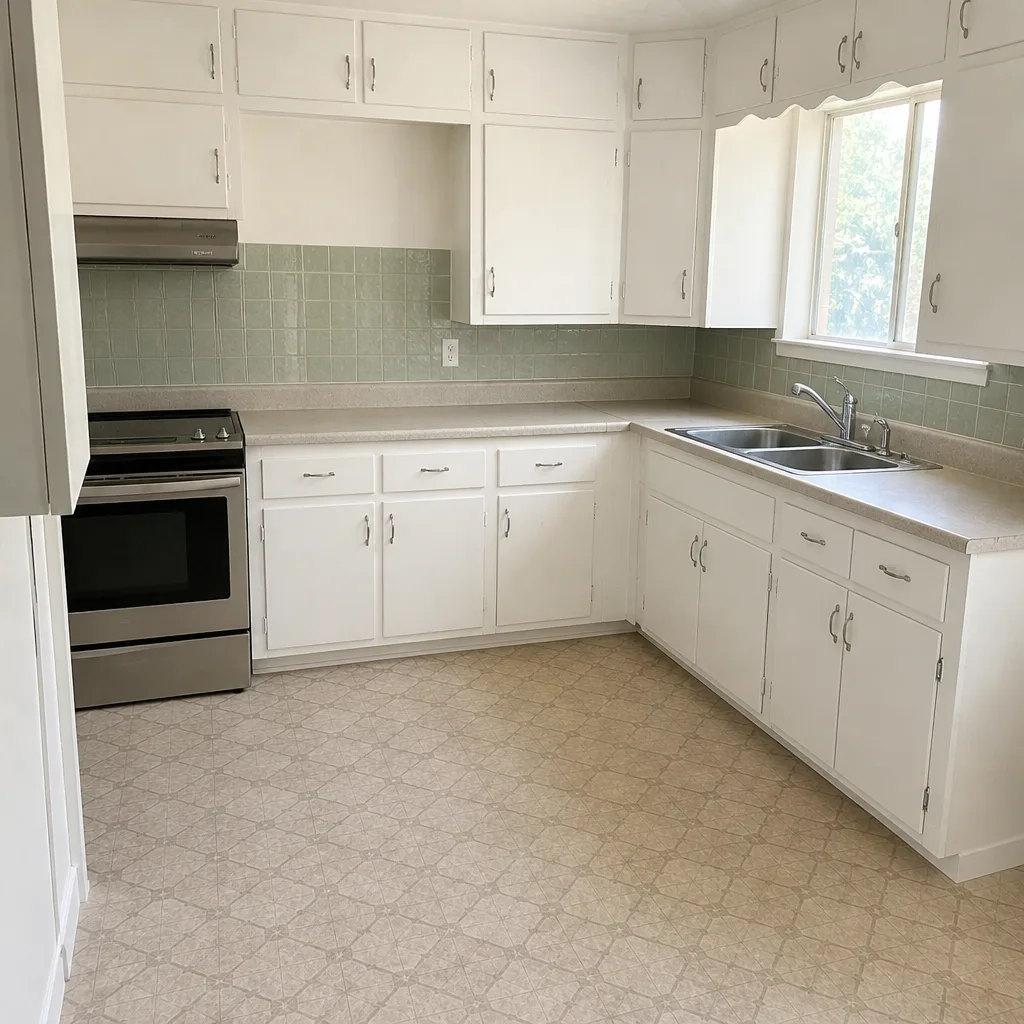 After
Common Mistakes to Avoid
- Choosing the lowest bid without asking why it’s low. In Winchester, a bid 20 percent under the pack usually forecloses on permits, licensed subs, or warranty coverage. The gap has to come from somewhere, and it usually comes from your protection.
- Paying a large deposit at signing. Deposits cover materials and mobilization, not the entire first half of the job. If the number leaves you no leverage at month three, restructure the schedule.
- Skipping the license and bond check. Five minutes on the NSCB database is the cheapest insurance available. We’ve watched homeowners skip it because “he seemed nice,” and then pay an attorney later.
- Accepting a verbal scope. If it isn’t written, it isn’t agreed. That applies to finishes, appliances, paint colors, and the punch list.
- Signing without a warranty document. “We stand behind our work” and a written guarantee are not the same thing. The 365-Day Done Right Promise from Bradford Remodeling Co Winchester is a written guarantee, and any reputable contractor should hand you the equivalent in writing.
- Not confirming permits are pulled before demolition. We’ve seen more than a few Winchester jobs where the counters came out and the permit was still at the office printer. Once the walls are open, the inspection timeline is not reversible.
- Ignoring the gut check during the estimate. If the contractor dodged the subcontractor question, or pivoted to “call today only,” the pattern will repeat on site. Trust the pattern, not the personality.
When to Call a Professional
If your bid has any of the flags in this guide, it’s time to talk to a contractor who will put everything in writing. That includes projects where the contract has no milestone schedule, the scope is verbal, the contractor hesitated on permits, or the deposit request is larger than mobilization costs. It also includes jobs that have already gone sideways, where the previous contractor left a half-finished kitchen, an uninspected rough-in, or an unwritten promise about returning. Our technicians have up to 22 years of experience picking up other crews’ work, and the first step is a written scope and price before anything gets touched.
Bradford Remodeling Co Winchester offers free estimates in Winchester with a written price before any work begins. Call (844) 972-4839 and a live person will schedule the visit.
Frequently Asked Questions
A missing written scope and payment schedule. Any contractor who will not put the specific work, the price, and the draws in writing is asking you to trust a verbal agreement. In Winchester and everywhere else, the written scope is the thing you hold them to. Call (844) 972-4839 for an estimate with both in hand before you sign anything.
Look up the license number on the Nevada State Contractors Board (NSCB) database. Verify the classification matches your project, check the bond amount against your contract size, and review the complaint history. If the contractor can’t provide the number in writing, that’s your answer. Bradford Remodeling Co Winchester is a licensed contractor, and we’re happy to walk you through the verification.
It can be. A deposit covers materials and mobilization. A front-loaded draw schedule that collects 40 or 50 percent at signing, before demolition, is the mechanism most used to strand homeowners mid-project. Ask what milestone unlocks each draw and insist on lien waivers at every payment. Call (844) 972-4839 to see what a milestone-based schedule looks like on a Winchester kitchen or bath.
Because pulling a permit triggers inspection, and inspection exposes unlicensed labor and non-code work. Nevada requires permits on most structural, electrical, plumbing, and mechanical work. A contractor who offers to skip them is offering to shift the risk onto your insurance and resale. Our crews pull permits and pass inspections on every job that needs them.
A Winchester kitchen remodel typically lands between $28,000 and $75,000 depending on size, cabinetry tier, and whether plumbing or electrical is moved. Read the quote by line item: cabinet brand, countertop material, fixture model numbers, and the labor scope. If those lines are missing, the number is a placeholder. Call (844) 972-4839 for a written, line-item price before the job starts.
A real warranty names the covered defects, the time window, and the remedy. Bradford Remodeling Co Winchester backs every completed project with the 365-Day Done Right Promise: if the work fails within one year, we come back and correct it at no charge. Ask every contractor for the warranty in writing, and read the remedy clause before you sign. Call (844) 972-4839 to review our guarantee alongside your estimate.
The Bottom Line

The warning signs are visible before you sign, if you know what to look for. A missing scope. A payment schedule that moves money ahead of completed work. A contractor who dodges the subcontractor question or shrugs at permits. A bid that names no brand and offers no warranty. Each flag on its own is a question; three or more in the same document is a decision. In Winchester, the contractors worth hiring behave the same at the estimate table as on the job site: written price, sharp scope, milestone draws, permit in hand, warranty on paper. That’s The Garrison Standard, and it’s how we run every job. The next step is a free estimate, not a signature.
Call (844) 972-4839 to schedule your free estimate. A live person answers every time, and the written price is in your hand before a single tool comes out. Whether the job is a kitchen, bath, or whole-home remodel, you’ll know exactly what’s covered, what it costs, and what comes after the last walkthrough. For a look at how we approach projects across the area, start at the Bradford Remodeling Co Winchester home page.
Written by the team at Bradford Remodeling Co Winchester.