Last updated November 18, 2026








Free written scope consultation - allowances, timeline, and change-order rules on paper before a single trade is scheduled
Construction Warning Signs: A Winchester Homeowner’s Reference Guide
A contractor who ghosts after the final payment is easy to spot. The harder case is the crew that finishes, shakes your hand, hands you a receipt, and walks away from work that looks complete but starts failing eighteen months later. By then the LLC is often dissolved, the phone number is dead, and the warranty you thought you had is a paragraph on a business card. In Winchester, where the desert swings from triple-digit summers to near-freezing winter nights, bad assemblies tend to show themselves faster than they do in milder climates. This guide is about what finished bad work looks like, how to read the paperwork that should have protected you, and what to do in the first 90 days after the crew leaves to keep your options open.
Quick Answer
The most reliable construction warning signs in Winchester are visible after the job is done: cracks that follow straight seams in drywall, grout that keeps coming loose in a shower, doors and windows that don’t sit flush, missing or smudged permit stickers, and invoices that don’t itemize materials or labor. Pair what you see with what the paperwork says, and check the Clark County inspection record before you accept a project as complete.
Styles & brands we work with
- Kitchen remodeling
- Bathroom remodeling
- Home additions & ADU
- Roofing
- Windows & doors
- Driveway & pavers
- Fence
Table of Contents
- Post-Completion Visual Red Flags in Finished Work
- What Poorly Framed Walls and Floors Look Like From the Room
- Skipped Waterproofing: The Tells You Can See in a Bathroom
- Inadequate Fastening: Loose Trim, Oilcanning, and Doors That Wander
- Document Red Flags: Vague Invoices, Missing Permit Numbers, Unsigned Change Orders
- How to Read a Clark County Inspection Record
- Signs the Subcontractor Was Not Supervised by the GC
- Your First 90 Days After Completion: Protecting Your Rights
Post-Completion Visual Red Flags in Finished Work
The first warning signs usually appear in the four to eight weeks after a project closes out, before you’ve moved furniture back in. Look at the project the way an inspector would: shadows, straight lines, seams, and how a door meets its frame. In Winchester, the desert climate runs roughly 15 to 20 percent indoor humidity most of the year, but a bathroom without proper exhaust can hit 60 percent or more after a shower, and that differential is what stresses bad assemblies.
Walk the space with a bright light at a low angle, because raked light shows every bulge. Run a four-foot level along countertops and floors; a gap you can slide a nickel under is not “settling,” it’s a substrate problem. Look at the corners where drywall sheets meet, and look hard at the paint near the ceiling line.
- Drywall cracks that follow tape lines. A crack running parallel to a taped seam usually means the board was butted tight with no expansion gap, or the joint compound was applied over a dusty or painted surface.
- Grout that keeps loosening in one spot. Repeated failure in a single area on a shower floor is a skip in the waterproofing membrane, not a grout problem.
- Tile that sounds hollow when you tap it. Hollow pings mean insufficient thinset coverage; 90 percent coverage is the industry target for a wet area and most crews hit 60 or 70 on a fast day.
- Baseboard that pulls away from the wall at one end. This is usually an out-of-square wall or a floor that wasn’t leveled before trim went on.
- Cabinet doors that rub within the first month. Rubbing at a corner means the cabinet box is twisted or it wasn’t shimmed to level before screws went in.
- Paint that peels at the inside corners of a bathroom. That’s moisture finding a path, which means the exhaust fan is undersized or the assembly was sealed from the wrong side.
None of these alone proves the job is bad. Three together in the same room is a pattern, and it’s the pattern you’re looking for.
What Poorly Framed Walls and Floors Look Like From the Room
Framing gets buried by drywall, so from the finished side you’re reading symptoms. The ones that matter in Winchester have to do with how the structure handles seasonal movement. A properly framed wall holds trim and doors in place through Arizona’s summer expansion and winter contraction. A wall framed too fast shows you.
Watch for doors that swing open or closed on their own, which usually means the header is out of level. A floor that squeaks loudly in one specific spot is either a missed fastener or subfloor panels that were butted tight with no continuous gap around the perimeter, so they rub as they move. Stair treads that click underfoot mean a riser wasn’t glued or a tread was nailed with the wrong fastener. In a kitchen remodel, look at the toe kick under cabinets. If you can slide a card between the cabinet frame and the wall at one end, the wall is bowed and the cabinets were installed against it without scribe or shim work.
On the exterior, look along the fascia and roofline. A wavy line across the top of a house often tracks back to rafters cut inconsistently or a ridge that sagged during the build.
- Stand at the far end of the room and sight along the ceiling line at the top of the wall. Any waviness means the framing was irregular.
- Open and close each door without touching the handle. If it moves under its own weight, the frame isn’t square.
- Walk the floor in heavy shoes and listen for sound that changes pitch. A distinct change under one 2-foot patch is where the joist or subfloor failed.
- Look at the light leaking around exterior doors in the evening. Daylight in a closed door is a weatherstripping and alignment problem that traces back to the rough opening.
These symptoms compound. A house with drifting doors and a squeaking floor usually has several rough framing shortcuts behind the drywall, and repairs get more expensive the longer they sit.
Skipped Waterproofing: The Tells You Can See in a Bathroom
Waterproofing is the most commonly skipped specification in residential construction because it costs days of labor and none of it is visible after tile goes on. The National Tile Contractors Association expects a bonded waterproof membrane on wet-area floors and walls to 6 inches above the shower pan, and full wall coverage inside the shower. What happens in practice is that some crews roll a liquid membrane only where they think you’ll look, and skip the bench or the curb.
You can read the signs from the finished side:
- Cracked caulk at the shower curb within six months. The curb takes more moisture movement than any other joint, and it’s where a skipped membrane fails first.
- A soft spot in the shower floor near the drain. Press with a thumb; if it gives, the mortar bed underneath has failed and the cause is usually water intrusion.
- Discoloration at the base of the wall behind the toilet or vanity. That’s moisture wicking, and it means the drywall behind is not moisture-rated.
- Grout that turns dark and stays dark after cleaning. Porous grout losing its seal is one thing; dark grout that never lightens after a scrub is moisture coming up from behind.
- Loose tile at the wall-to-floor joint. This joint should have a flexible sealant, not grout. If it’s grouted, it’s going to fail, and the question is what’s behind the tile.
When a spec is written properly, the waterproofing brand is named and documented. Our crews work with Schluter systems for wet areas and Sterling and Grohe fixtures for the wet side, because a traceable spec means the diagnosis is honest if something fails. That’s the whole point: named systems, written into the scope, so there’s no guessing when a homeowner calls us in year two.
Inadequate Fastening: Loose Trim, Oilcanning, and Doors That Wander
Fastening is where hurry shows. A crew that’s rushing uses one nail where the code or spec calls for two, uses the wrong length, or drives fasteners at the wrong angle. In Winchester’s dry summer heat, wood shrinks and reveals every miss. In winter’s cold snaps, the material swells back and the fastener back out. You see it as movement.
Look at the interior trim on a sunny afternoon. Crown molding that has opened a gap at the corner in one room and not the others is a fastening issue, not a paint issue. Window casing that has separated at a miter joint after a season is usually a missed nail or two. Door hinges that back out of the jamb within a year mean the jamb was installed with short screws that never reached the framing.
On the exterior, metal siding and roofing can show oilcanning, which is that shallow wavy dimple pattern you see in afternoon light. Oilcanning is sometimes a material property, but it’s more often the result of a panel fastened to an uneven surface or fasteners driven too tight. Look at the soffit under the eaves in the morning light and along the fascia. Fastener heads that have punched through the face of the material are one of the clearer calls.
Fasteners are one of the reasons we name our material manufacturers on paper. GAF roofing and James Hardie siding each publish installation specs, and both are backed with manufacturer warranties that require documented fastening. If a project gets sold without those names and warranty terms, the homeowner has no lever if the fasteners fail.
Document Red Flags: Vague Invoices, Missing Permit Numbers, Unsigned Change Orders
Paper tells you what the work is going to be worth when it fails. Most of what we’re asked to fix as a general contractor in Winchester comes with paperwork that never had a chance of protecting the homeowner, because it was thin from the start.
A vague invoice is one that says “labor and materials, bathroom: $12,400” and nothing else. That’s not a price, that’s a number. A proper invoice lists the material by brand and SKU, the labor by line item, and the permit number. If the final invoice doesn’t match the original written price, and there’s no signed change order explaining the difference, you’ve been repriced after the fact.
The permit trail is the second document set to check. In Clark County, every permitted project gets a permit number, and that number appears on the inspection record. If the scope of work includes structural changes, electrical, plumbing, or gas lines, a permit should have been pulled. “We don’t need permits for this” is sometimes accurate and sometimes a red flag; the way to know is to call Clark County’s building department with the address and ask what’s on file. It takes ten minutes.
Unsigned change orders are the third document problem. Any change in scope, materials, or price should be on a written change order that both parties sign and date before the work happens. A change agreed to verbally, followed by a bigger invoice at close, is a warning sign about how that contractor runs the whole job.
This is the core of Bradford Remodeling Co Winchester’s operating model: a written price before any work starts, and every change order in writing before the hammer swings. Under The Garrison Standard our customers know the final number before day one, and the number doesn’t move at the door.
How to Read a Clark County Inspection Record
Clark County publishes inspection results through its online permit portal, and the record is one of the most useful documents a homeowner has. It shows what was actually inspected, on what date, and what the result was. What it does not show is what the contractor told you was inspected. Those are two different things.
- Find the permit number. It should be on your final invoice, your contract, or the sticker usually posted inside the electrical panel or near the front door for permitted work.
- Search the Clark County online permit system. Use the address, not the contractor’s name. The address returns every permit ever pulled on that property, which is often more instructive than the single permit you’re chasing.
- Read the inspection history in date order. Look for “approved,” “approved with corrections,” or “partial approval.” A partial approval means only one phase passed, and the rest was still open.
- Compare the phases that were inspected to the phases the contractor said passed. A framing inspection approved is not a final inspection approved. If the record shows no final, the job was never closed out with the county.
- Check whether the number of corrections is unusual. One or two corrections is normal. Four or more on the same phase is a pattern.
- Call the building department if the record is missing or unclear. A records clerk can usually tell you in a few minutes what’s on file and what’s still open.
One more thing to know: inspection records only cover permitted work. A bathroom remodel that was never permitted has no record at all, and if the shower fails, you’re on your own for the cost. That’s the most expensive kind of silence.
Signs the Subcontractor Was Not Supervised by the GC
General contractors hire trades. On a well-run job, the GC walks the site daily, holds the trades to the written scope, and is the single name that backs the finish work when it fails. On a badly run job, the GC takes your money and hands the job to whoever answers the phone, then shows up at the end to collect the check. The symptoms in your finished home are specific.
- The trade sequence doesn’t line up in the finish. Look for tile set before the rough plumbing was finished, or trim installed before paint. If a trade had to work around another trade’s leftover mess, no one was scheduling.
- Materials don’t match what was specified. A hall bath sold with KraftMaid cabinetry and installed with an unbranded box is a substitution that only happens when the trade in the field chose the cabinet, not the GC.
- You never got a name for the plumber, electrician, or tile setter. If there was a GC, they should have known who was on site each day and been able to tell you.
- Inspection corrections were signed off by someone other than the GC. That’s a signal the GC was hands-off.
- Warranty issues get referred to the sub. A GC with real warranty terms owns the failure and manages the trade themselves. A GC without them points at someone else and disappears.
Supervision is what makes warranty enforcement real. If your GC couldn’t name who was on site, they’re not coming back when the shower pan fails at month fourteen. This is the reason we keep every job under one company name and one written guarantee, and every technician who comes to your door is background-checked and identified in advance under the Garrison Partners standards.
Your First 90 Days After Completion: Protecting Your Rights
If a defect emerges, the first 90 days after close is when you have the most leverage. Court timelines and warranty windows both work in your favor when you document early and in writing. Here’s the sequence.
- Do a documented walk-through within 7 days. Photograph and video every room, every seam, every door. Take wide shots and close-ups. Write the date and time on each photo’s file name.
- Send a written punch list within 14 days. Email, not phone. List each item, attach the photos, and request a written response date. A phone call never leaves a trail.
- Save the permit record. Download or screenshot the Clark County inspection history for the property and the final inspection result. If the final isn’t there, that’s the first item on your list.
- Keep the original contract, every change order, and every invoice in one folder. If the price moved, the paper trail is what shows it.
- At 30, 60, and 90 days, re-inspect the same spots. Cracks and grout that appear at week six and still look the same at week twelve are stable; a crack that has grown by half its original length is moving, and moving means structural.
- Check your warranty terms in writing. Confirm what’s covered, for how long, and what the response time is. Under our 365-Day Done Right Promise, any failure within the first year is corrected at no charge. Our customers have that paragraph in their hand from close, not from later.
- If the contractor stopped responding, call the Clark County building department and the Nevada State Contractors Board. A complaint filed in the first 90 days sits on record and helps future homeowners.
If you’re remodeling a kitchen, apply the same walk-through discipline to cabinetry alignment, countertop seams, and appliance levels. If it’s a bathroom, focus on wet-area joints and the exhaust fan. These are the two rooms that show bad work fastest. Our teams work with Cambria and Caesarstone surfaces and Moen fixtures because those brands have documented specs to hold everyone to.
Common Mistakes to Avoid
- Paying the final invoice before the final inspection clears. The final payment is the last piece of leverage you have, and in Clark County that inspection is public record. Hold the check until the record shows it.
- Accepting a “we don’t need a permit” answer without checking. Structural, electrical, plumbing, and gas work requires a permit in Clark County, and the ten-minute call to the building department is the cheapest insurance on the whole project.
- Letting a verbal change order slide. Any scope change that isn’t on a signed date-stamped change order is a number that can move later, and usually does.
- Hiring a crew that can’t identify the technician at your door. If you don’t know who’s on site each day, you don’t know who’s responsible when they’re gone.
- Ignoring a single drywall crack. One crack can be settling; two parallel cracks along seam lines are a framing problem, and they get more expensive with each season of heat and cold.
- Filing warranty complaints by phone. Every warranty issue needs to be in writing with photos and a date. A verbal request has no timeline.
- Assuming the manufacturer warranty protects you. Most product warranties require documented installation to spec. If the crew installed off-spec, the manufacturer is often off the hook.
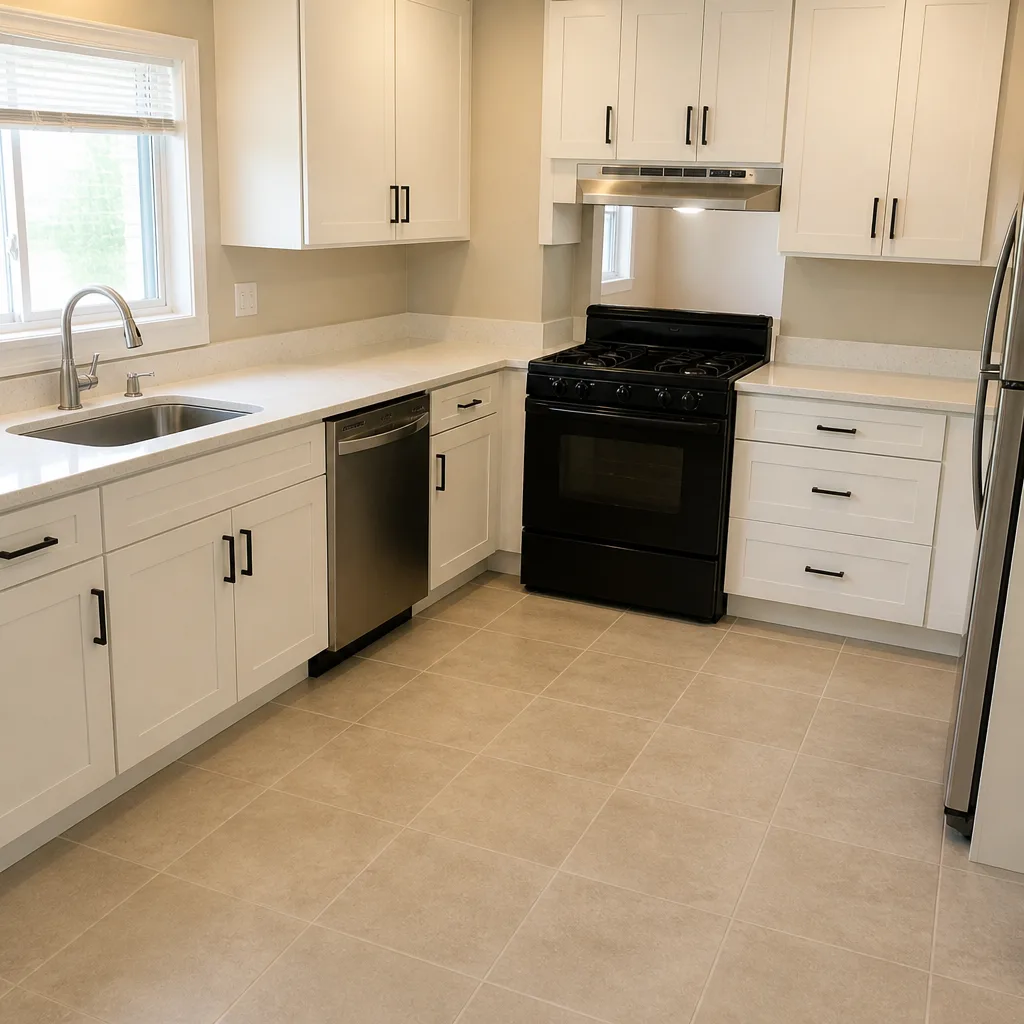
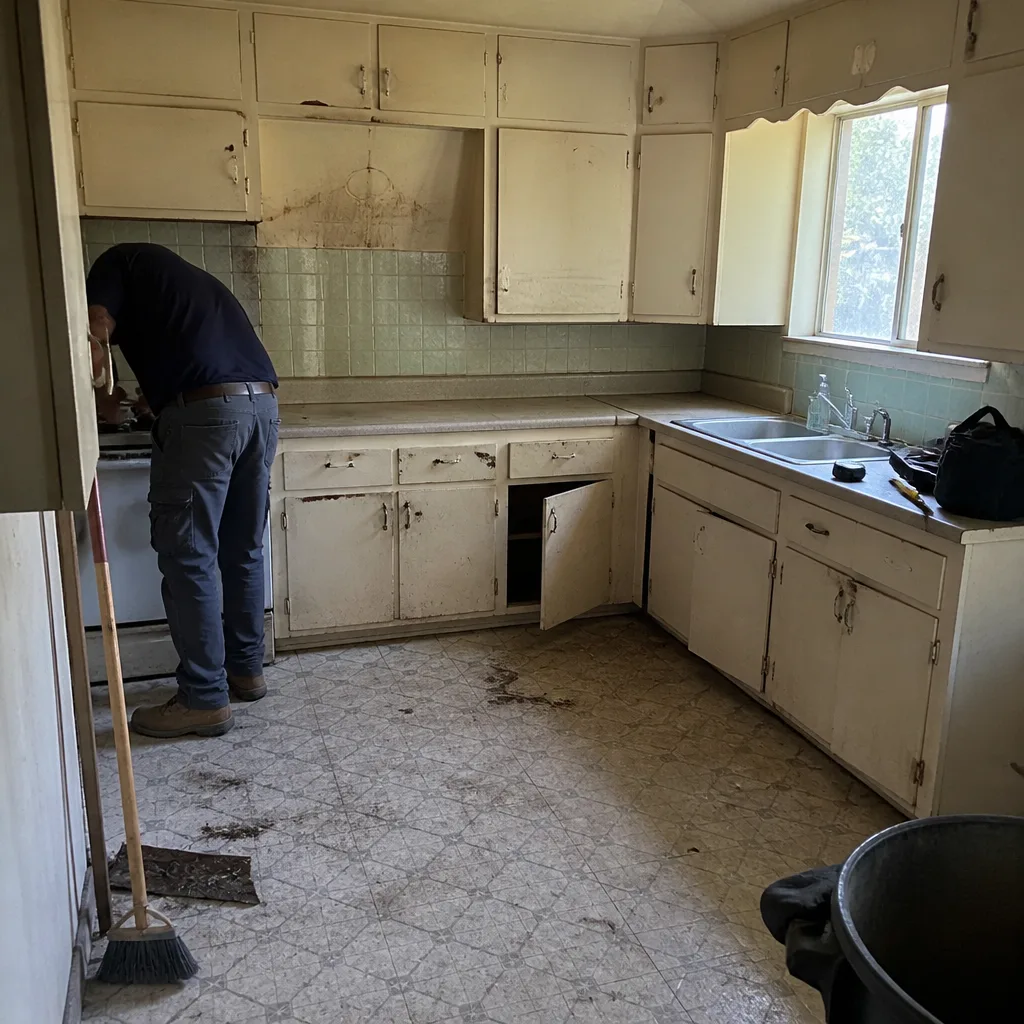
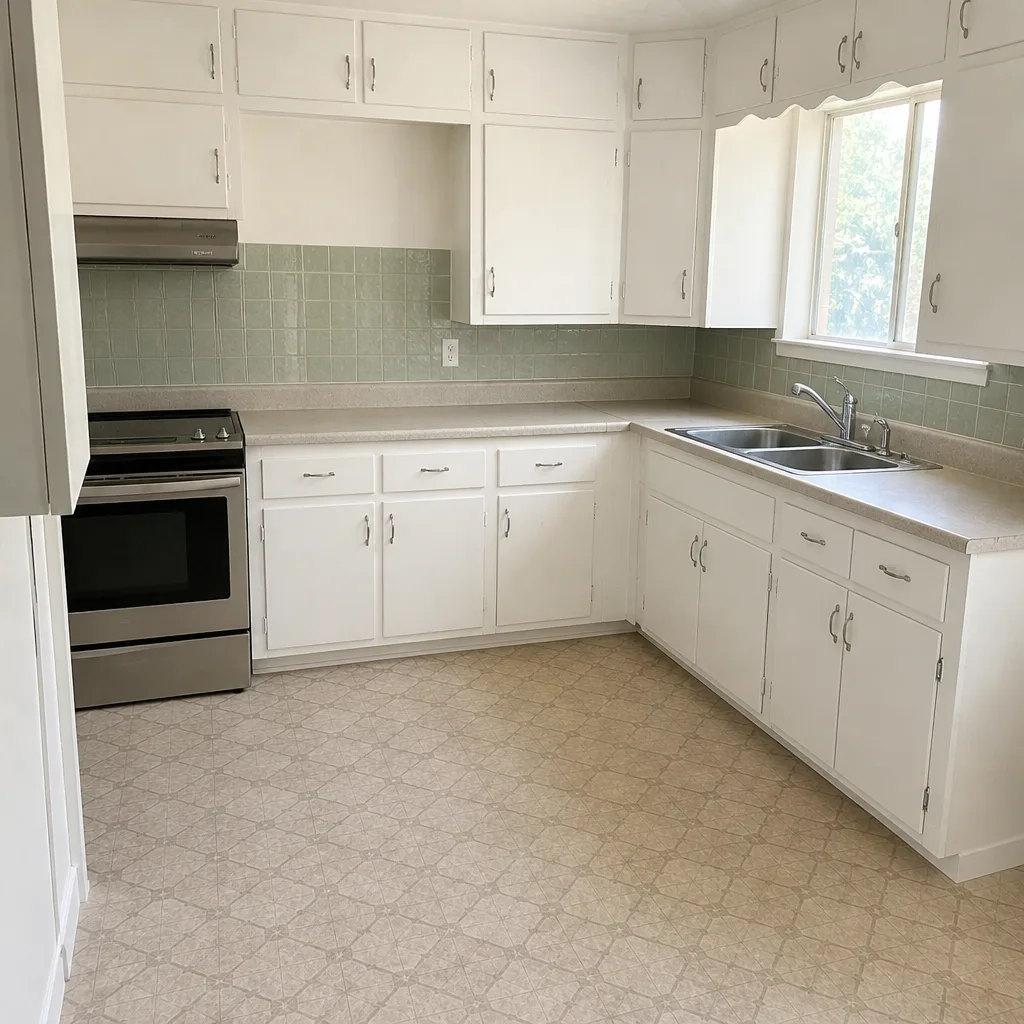
See the difference
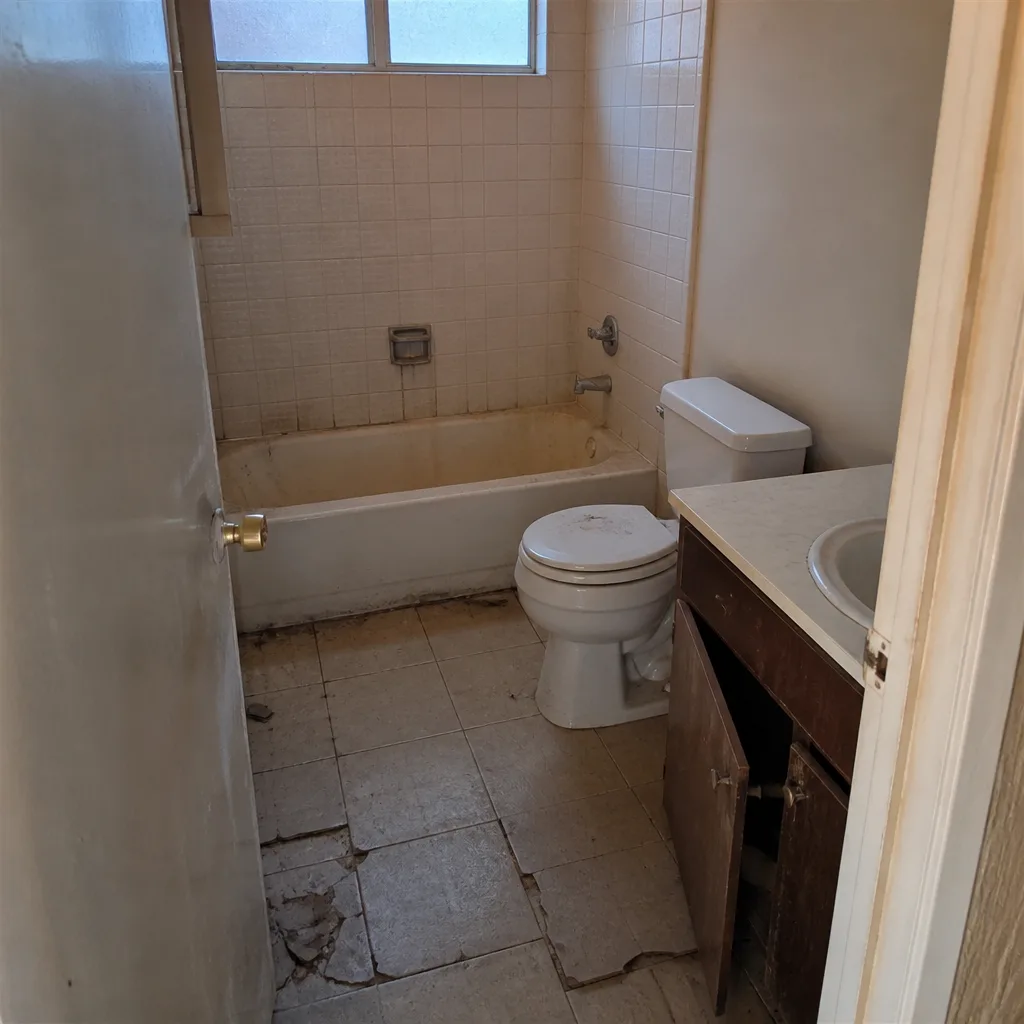 Before
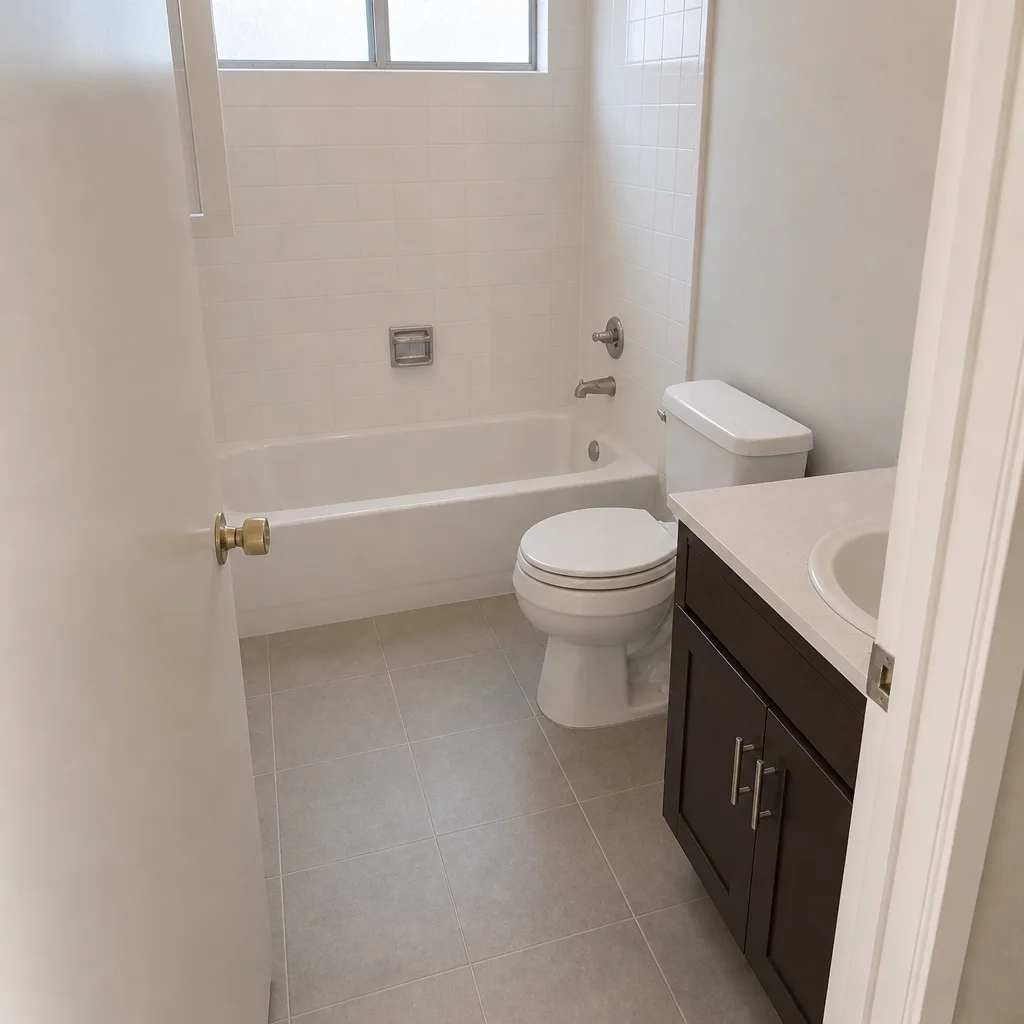 After
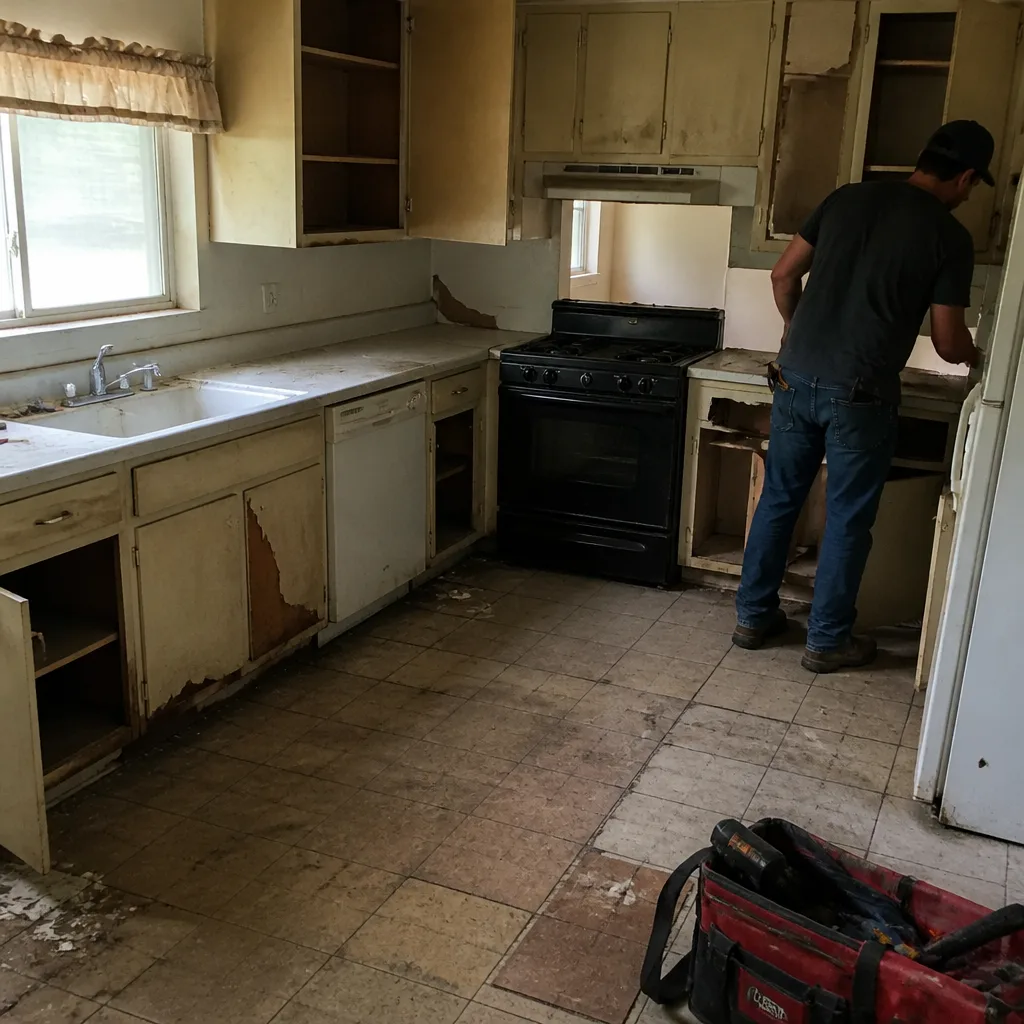 Before
 After
 Before
 After
When to Call a Professional
Some visible defects are cosmetic and some are structural. Call a licensed contractor for inspection when you see any of the following: three or more drywall cracks in the same room, grout loosening in a single wet-area spot twice in a year, doors drifting on their own, a shower floor with a soft spot, daylight around a closed exterior door, or an inspection record showing work still open. Each of those is a symptom of a hidden problem, and every one of them gets more expensive to fix the longer it sits. Our technicians have up to 22 years of experience, and Bradford Remodeling Co Winchester offers free estimates in Winchester. Call (844) 972-4839 and we’ll walk the space with you.
Frequently Asked Questions

Most visible defects show up within the first six months, and the first 30 days is when you’ll see the highest count. Winchester’s sharp seasonal temperature swings expose bad assemblies faster than a mild climate would, so pay attention in the first few weeks after completion and again at the first big seasonal shift.
Call or use the online portal at the Clark County building department with your property address. The record shows every permit ever pulled on that property, with inspection dates and results. That’s the record the contractor’s claim either matches or doesn’t. Call (844) 972-4839 if you want us to review what’s on file before your next project starts.
In Winchester, re-doing a failed shower pan and wall assembly typically runs $4,800 to $9,500 depending on tile, size, and whether the framing underneath is damaged. It’s the most expensive skipped step in residential construction because it means tearing out finished work. Call (844) 972-4839 for a written estimate.
It covers the original work. If anything we installed fails within one year, we come back and correct it at no charge. A repair we do carries its own written price and its own coverage from the day it’s completed. Call (844) 972-4839 to schedule a free estimate.
A full bathroom remodel in Winchester generally runs $14,000 to $32,000, with a mid-range spec closer to $19,000. A whole-home remodel typically runs from the mid-$70,000s into the low $200,000s depending on scope. Every number we quote is on paper before work begins, with line-item materials and labor. Call (844) 972-4839 for an exact quote. Estimates are free.
Not unless the scope changes, and any change goes on a signed change order before the work happens. That’s how The Garrison Code works: written price, written change orders, no numbers that move at the door. Call (844) 972-4839 for a written estimate before day one.
The Bottom Line
The warning signs that matter most show up after the crew has gone, when the paperwork is your only lever. Visible defects are easy to catch if you know what to look for: drywall cracks along seam lines, grout failing in one wet spot, doors that drift, siding that oilcans, fasteners punching through. Pair what you see with what the paper says: a line-item invoice, a permit number that matches the Clark County record, and signed change orders. Then protect the first 90 days with written documentation and written follow-ups. For a free walk-through in Winchester with a crew that puts every price and every guarantee in writing, call (844) 972-4839. Explore our kitchen remodeling in Winchester and bathroom remodeling in Winchester pages to see what a written scope looks like before the first tool comes out.
Written by the team at Bradford Remodeling Co Winchester.