Last updated November 18, 2026







Free written scope consultation - allowances, timeline, and change-order rules on paper before a single trade is scheduled
DIY vs Professional Bathroom Remodeling: What’s Safe to Do Yourself
Here’s a number that surprises most homeowners: the labor savings on a full DIY bathroom remodel rarely beat the price reduction a buyer demands when they discover unpermitted work at inspection. In Clark County, a homeowner can legally pull their own permit for work on a primary residence. But the moment that house goes on the market, an unpermitted bathroom becomes a disclosure problem – and we’ve watched sales in Winchester stall over a shower valve that cost a few hundred dollars to install. This guide draws the actual legal and financial lines: which tasks you can safely take on, which ones put you on the wrong side of code, and where the math on DIY stops working in your favor.
Quick Answer
Safe DIY bathroom tasks are cosmetic and surface-level: painting, swapping hardware and fixtures, installing a mirror, hanging accessories, and demoing non-structural finishes. Anything involving plumbing rough-in, new electrical circuits, or load-bearing walls requires a licensed trade professional in Clark County – and doing it yourself without permits can void your insurance coverage on water damage. Tile and vanity work sits in a gray zone where skill matters more than law, but valve and drain work is where DIY creates liability that routinely costs more to fix than the labor you saved.
Styles & brands we work with
- Kitchen remodeling
- Bathroom remodeling
- Home additions & ADU
- Roofing
- Windows & doors
- Driveway & pavers
- Fence
Table of Contents
- The Legal Line in Clark County: What You Can and Can’t Pull Yourself
- The Insurance Gap Nobody Explains at the Permit Counter
- The Real Cost Math: Where DIY Saves and Where It Costs
- The “I’ll Just Do the Demo” Trap
- Finish Tasks That Are Genuinely Good DIY Candidates
- The Gray Zone: Tile, Vanity, and Drywall
- What Unpermitted Work Does at Resale in Winchester
The Legal Line in Clark County: What You Can and Can’t Pull Yourself
Clark County allows homeowners to obtain permits for work on their own primary residence, provided they live there and do the work themselves. That’s a real allowance, and it’s more permissive than some states. But a homeowner permit does not make every task legal for you to perform. The county draws a hard line around defined trade work – plumbing, electrical, and structural – and crossing it is where DIY remodels go sideways.
Here’s the breakdown as it applies to a typical Winchester bathroom:
- Plumbing rough-in – moving a drain, relocating a toilet flange, running new supply lines inside a wall. Licensed plumber required. A permit alone won’t cover you here.
- Electrical circuit work – adding a GFCI receptacle, running a new circuit for a heated towel rack, rewiring vanity lighting to a new switch. Licensed electrician required.
- Any load-bearing wall change – knocking out a wall between a bathroom and an adjacent closet to gain square footage. This requires engineering, a permit, and a licensed contractor. No exceptions, regardless of what you saw online.
- Water heater or on-demand system changes – gas line work and venting fall under licensed trades and require inspection.
- Cosmetic finishes – paint, tile (in many cases), surface fixture swaps, hardware. Generally fine for a homeowner, though some municipalities want a permit for a full tile shower relocation if it moves the drain.
Our point isn’t to make everything sound scary. It’s that the permit counter is not the same as the trade licensing board. A homeowner permit says you’re allowed to build; it doesn’t say you’re allowed to plumb.
The Insurance Gap Nobody Explains at the Permit Counter
This is the part that genuinely surprises people, and it’s the reason this question matters more than most homeowners realize. A standard homeowner’s policy typically covers sudden and accidental water damage – a supply line that bursts behind a wall, a toilet that overflows. But most policies carry exclusions for damage caused by work done without required permits, and some exclude faulty workmanship entirely. The interaction between those two clauses is where the trouble lives.
Picture a Winchester homeowner who reroutes a shower drain to gain a few inches of floor space, skips the permit because “it’s just a drain,” and tucks the work behind new tile. Two years later, a slow leak in that joint rots the subfloor and soaks into the living room ceiling below. The adjuster inspects, sees the unpermitted plumbing change, and the claim gets denied. The full cost of tearing out the shower, replacing the subfloor, redoing the ceiling, and re-plumbing – plus the mold remediation if it got into the wall cavity – lands on the homeowner.
That repair bill routinely runs into the thousands. In our experience, it’s often several times what a licensed plumber would have charged to do the rough-in correctly the first time.
The fix isn’t complicated. Pull the permit, use a licensed trade for the work that requires one, and keep the inspection record. That paper trail is what protects your claim.
The Real Cost Math: Where DIY Saves and Where It Costs
Let’s put real numbers on this, because the vague “DIY saves money” advice doesn’t help anyone plan. The savings depend entirely on which task you’re talking about.
Painting a bathroom yourself: a professional painter might charge a few hundred dollars for a small bathroom including prep and materials. Doing it yourself costs you paint, tape, brushes, and a weekend. That’s a genuine saving, and the risk is low if you prep correctly around fixtures.
Installing a vanity yourself: a freestanding vanity swap that reuses the existing plumbing connections is doable for a careful homeowner with basic tools. You save the labor, and the risk is contained to a small leak at a supply connection you can see.
Rerouting a drain or replacing a shower valve yourself: the labor saving might look substantial on paper. But if the work fails – and shower valves that aren’t sweated correctly or are installed without proper access can fail silently for a long time – the remediation cost dwarfs the savings. We’ve seen a valve install go wrong and the resulting water damage take out an entire bathroom floor and the ceiling below it. The homeowner’s original “saved” labor was a rounding error against the repair bill.
Here’s the mental model: DIY pays when the failure mode is cosmetic and visible. DIY costs when the failure mode is hidden, slow, and wet.
The “I’ll Just Do the Demo” Trap
Demo feels like the safe way to shave a few hundred dollars off the project and feel useful. Sometimes it is. Other times it’s the most dangerous part of the job, and homeowners don’t realize it until they’re swinging a hammer into something they shouldn’t.
What’s genuinely safe to demo yourself:
- Removing vanity cabinets and countertops after the water is shut off and disconnected by a plumber.
- Pulling surface tile off drywall or backer board in a newer bathroom.
- Removing a toilet after it’s been drained and the supply disconnected.
- Tearing out a freestanding mirror, towel bars, and surface-mounted fixtures.
- Removing old flooring that isn’t glued down to the subfloor.
What makes demo a professional task in Winchester:
- Asbestos-containing materials in older homes. Plenty of Winchester housing stock predates 1980. Floor tile, mastic, and some wall panels from that era can contain asbestos. Cutting or sanding them releases fibers into the air. A licensed abatement contractor handles this safely; a homeowner swinging a sledgehammer does not.
- Live circuits. It’s not uncommon to find an old receptacle or a switch leg hidden behind a wall that isn’t on the panel schedule you thought it was. We’ve seen demo crews stop work until an electrician verified the circuit because the tester lit up on a line the homeowner swore was dead.
- Water you can’t see. Shutting off the supply valve at the wall doesn’t always stop all the water, especially on older fixtures where the shutoff doesn’t seat fully. A licensed plumber caps the line properly before demo starts.
- Structural surprises. A wall that looks like a partition turns out to be bearing. Once you’ve cut into it, you’re in a much more expensive conversation than you planned.
Demo is worth doing yourself only when it’s confirmed nothing hazardous is underneath.
Finish Tasks That Are Genuinely Good DIY Candidates
Here’s the positive side of the ledger. A substantial portion of a bathroom remodel’s finish work is well within reach for a homeowner with reasonable patience and attention to detail.
Painting. Bathroom paint benefits from a moisture-rated product and proper prep around the fan and window. Get the sheen and the primer right and this is a clean saving.
Hardware swaps. Cabinet pulls, towel bars, toilet paper holders, shower curtain rods, robe hooks. Measured, drilled, screwed in. The only thing that separates a good job from a bad one is whether you dry-fit before you drill.
Mirror installation. A frameless or framed mirror over the vanity is a manageable project if you locate the studs correctly and use the right anchors. Get the height right – generally centered on the vanity or slightly above eye level – and it’s a five-minute visual upgrade.
Accessory mounting. Shelving, planters, decorative boxes, whatever you like on the wall. Standard anchoring practice applies.
Fixture swaps that reuse existing connections. A faucet swap on an existing vanity top is a common DIY project. New supply lines that thread onto the existing shutoffs are usually fine. What’s not fine: cutting into the wall to move the supply lines themselves.
If you’re doing your own painting and hardware, look at it as a way to reduce the scope of the professional contract while keeping the structural work in licensed hands. That’s the version of DIY that saves real money without adding real risk. When you’re ready to price the professional portion of a bathroom remodel in Winchester, we’ll give you the number in writing before anything starts.
The Gray Zone: Tile, Vanity, and Drywall
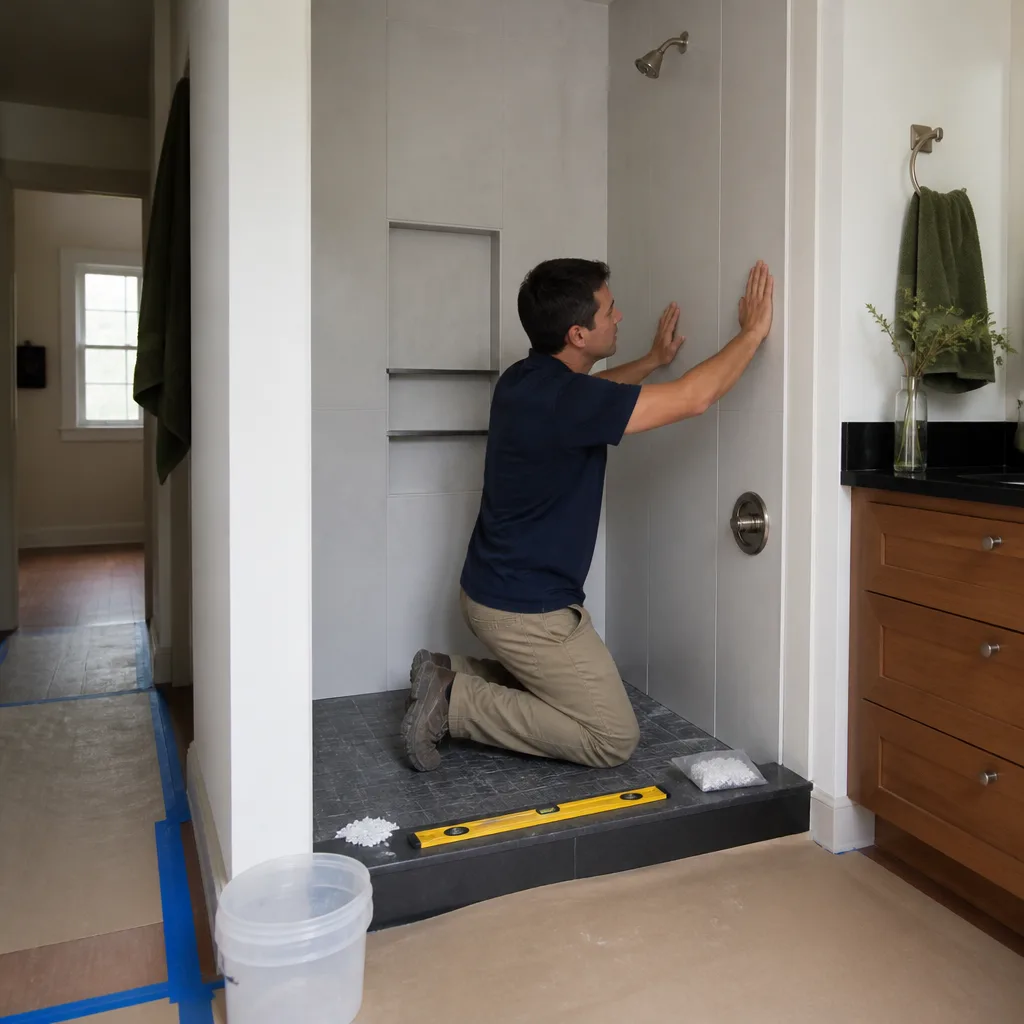
Some tasks fall between “clearly DIY” and “clearly professional.” Tile is the most common one. A homeowner can absolutely learn to set tile, and plenty do. What the tutorials don’t always cover is substrate: the backer board, waterproofing membrane, and the slope of the shower pan. Waterproofing is where DIY tile jobs fail. A beautiful tile install over a poorly prepped substrate looks perfect for a year and then starts showing mold at the grout lines. In Winchester, where summer humidity can run high, that failure comes faster.
Vanity installation: if it’s a like-for-like swap on the existing plumbing stub-outs, it’s often a reasonable DIY. If the new vanity needs the drain or supply moved, you’re back in plumbing territory.
Drywall: hanging and finishing drywall is a well-known homeowner task. Finishing to a paint-ready level takes practice. Mudding and taping to a smooth finish is where most homeowners underestimate the work. In a wet area like a bathroom, you also need the right moisture-resistant board and the waterproofing layer over it.
The judgment call is this: if the task requires a waterproofing layer or a slope to drain correctly, and the failure won’t be visible until it’s expensive, consider bringing in a professional or at least having your work inspected before you finish over it.
What Unpermitted Work Does at Resale in Winchester
This is the part of the DIY conversation that gets talked about too little. A bathroom you remodeled yourself and never permitted doesn’t just sit there quietly. When you sell, it becomes a disclosure item, and depending on the buyer’s due diligence, it can stall a closing.
In the current Winchester market, where a lot of buyers are moving in from out of state and are cautious about inspection findings, an unpermitted bathroom triggers the same reaction as a foundation crack – the buyer either walks or renegotiates. We’ve seen price reductions that exceeded what the original licensed labor would have cost, simply because the work couldn’t be verified.
If you’re planning to sell within a few years, the math on DIY changes. The savings shrink relative to the resale risk. A permitted remodel with inspection records becomes a selling point. An unpermitted one becomes a negotiation lever against you.
Common Mistakes to Avoid
- Assuming the homeowner permit makes all work legal. It doesn’t. Plumbing rough-in, electrical circuit work, and structural changes sit with licensed trades. Confirm the scope before you pick up a tool.
- Skipping the permit to “keep it simple.” The permit record is what protects your insurance claim if water damage happens. Skipping it trades a small fee for a large uncovered risk.
- Doing demo before shutting off and capping utilities. Always have a plumber cap the water and an electrician verify the circuit dead before demo starts. In older Winchester homes, hidden circuits are common.
- Waterproofing over work you haven’t inspected. If the shower pan or valve behind the wall fails, you’ll tear out the tile to fix it. Have a licensed plumber inspect the rough-in before the tile goes up.
- Cutting into pre-1980 materials without abatement testing. Floor tile, mastic, and drywall from that era can contain asbestos. Cutting or sanding releases fibers. Test first, hire a professional if it’s positive.
- Moving the drain “just an inch or two.” Every inch of relocated drain moves you into plumbing territory and permits. It also complicates the slope, which is where slow drains come from.
- Assuming tile over an unwaterproofed substrate is fine. Bathroom walls and floors need a waterproofing layer behind the tile. Skipping it means mold and rot sooner, especially in Winchester’s humid summers.
See the difference
 Before
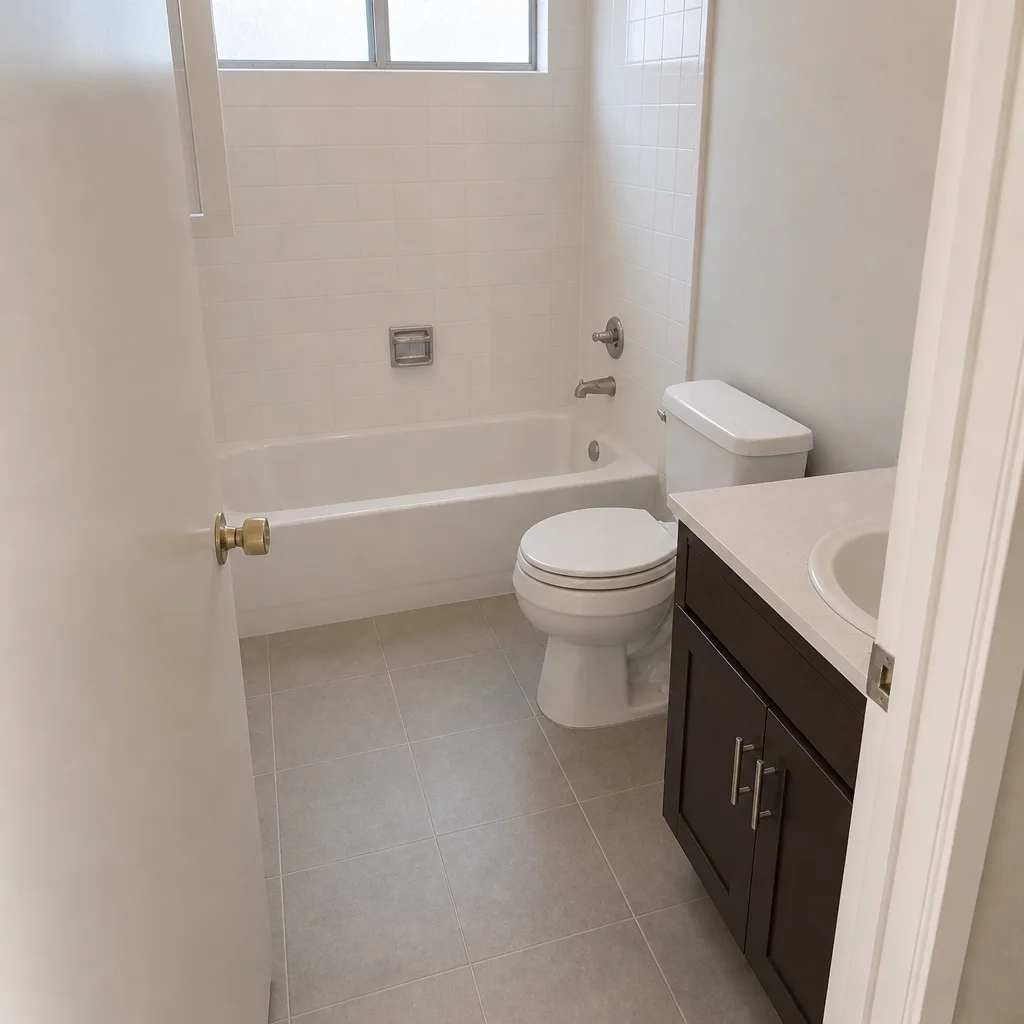 After
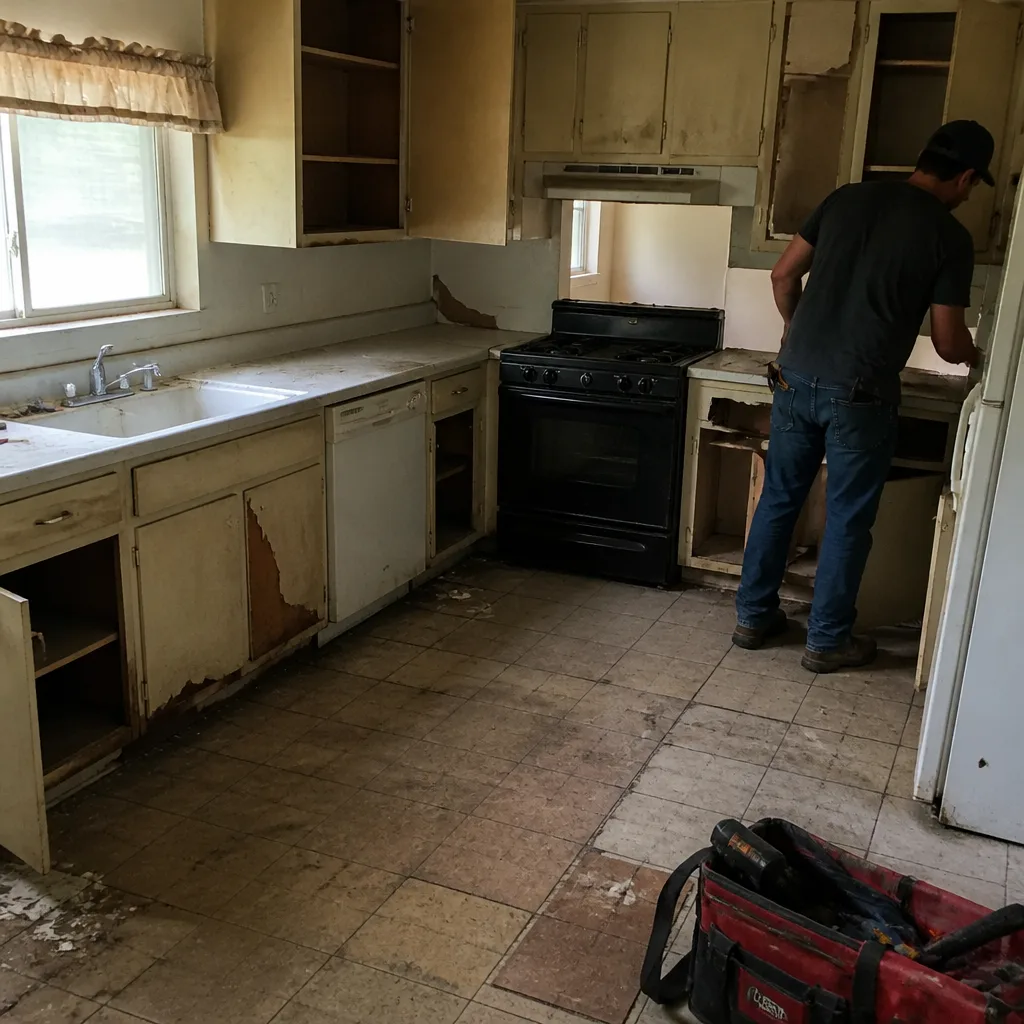 Before
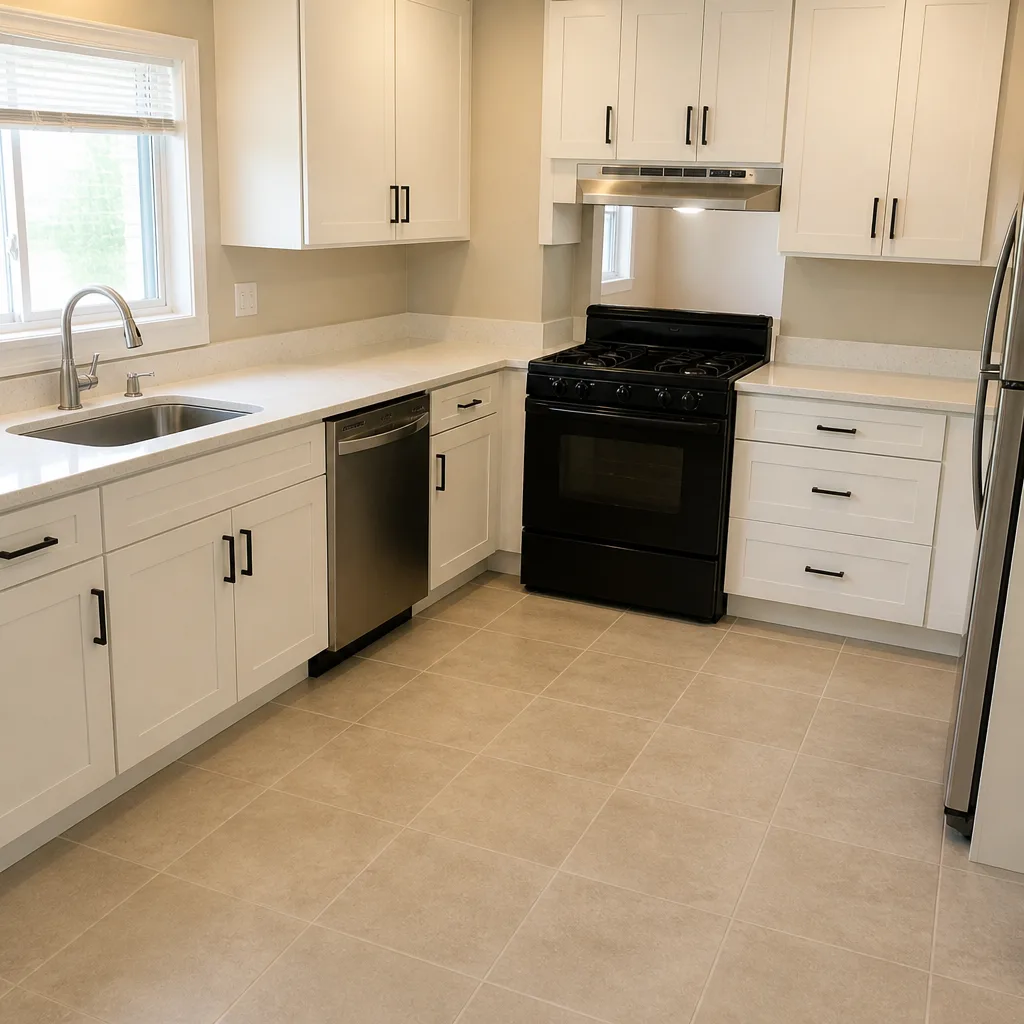 After
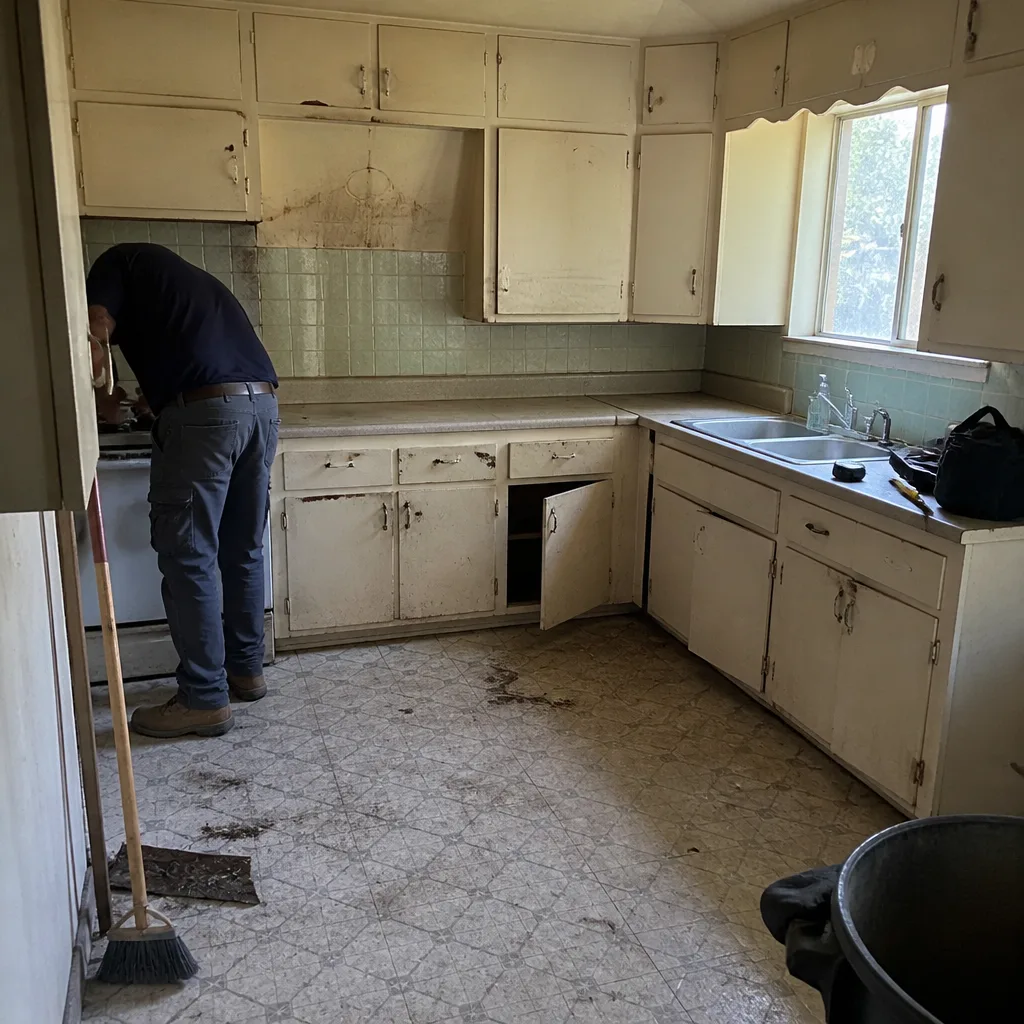 Before
 After
When to Call a Professional
Call a licensed professional when the work touches plumbing rough-in, electrical circuits, load-bearing structure, gas lines, or water heater changes. Call when the home was built before 1980 and you’re cutting into wall or floor materials that might contain asbestos. Call when the task requires a slope to drain correctly or a waterproofing layer that will be covered by finish materials. Call when you’re planning to sell within a few years and want the work permitted and inspected.
And call us if you want a straight answer on which portion of your bathroom project is safe for you to handle and which should be a licensed trade. Bradford Remodeling Co Winchester provides free estimates in Winchester – call (844) 972-4839. Every project gets a written price before any work starts, backed by The Garrison Standard and a 365-Day Done Right Promise: if the work fails within the year, we return and correct it at no charge.
Frequently Asked Questions
Partially. Clark County allows homeowners to pull their own permit for work on their primary residence, and cosmetic finish work is yours to do. Plumbing rough-in, electrical circuit work, and load-bearing wall changes require a licensed trade professional regardless of the permit.
Usually not. Most policies exclude water damage tied to work done without required permits or faulty workmanship. The full cost of the repair – including subfloor replacement, ceiling repair, and mold remediation – typically falls on the homeowner. Call (844) 972-4839 for a free estimate if you have unpermitted work you want corrected properly.
Sometimes. Removing a vanity, pulling surface tile in a newer bathroom, or tearing out a mirror is usually fine. It’s not worth it when the home predates 1980 and you might be cutting into asbestos-containing materials, or when you can’t confirm the circuit is dead. A licensed contractor handles it safely.
It varies, but the effect is real. We’ve seen price reductions that exceeded what the licensed labor would have cost originally. Buyers in the current market treat unpermitted work as a negotiation lever, and some walk.
Painting, hardware swaps, mirror installation, accessory mounting, and fixture swaps that reuse existing connections are all reasonable DIY. Tile and vanity work depend on your skill and whether the plumbing connections stay in place. Call (844) 972-4839 for a free estimate on the rest.
Usually not for a surface tile replacement over an existing shower pan. You do need a permit if you’re moving the drain, changing the shower configuration, or altering the waterproofing assembly. Confirm with Clark County before you start.
The Bottom Line
The line between safe DIY and professional work in a bathroom remodel is clearer than most homeowners expect. Cosmetic finishes – paint, hardware, mirrors, accessories – are yours to take on. Anything that touches plumbing rough-in, electrical circuits, structure, or asbestos-era materials requires a licensed trade. The financial case is the real case: DIY that fails silently and wet behind the tile costs more than the labor savings every time, and unpermitted work becomes a resale problem. Do the finishes. Hire the trades. Keep the paper trail.
Bradford Remodeling Co Winchester handles bathroom remodeling across Winchester with a written price before work starts, background-checked and uniformed technicians on every job, and the 365-Day Done Right Promise on every completed project. Our technicians have up to 22 years of experience. Call (844) 972-4839 for a free estimate, and we’ll tell you straight which parts of your project you should do yourself and which you shouldn’t.
Written by the team at Bradford Remodeling Co Winchester.