Last updated November 18, 2026






Free written scope consultation - allowances, timeline, and change-order rules on paper before a single trade is scheduled
DIY vs Professional General Contractor: What’s Safe to Do Yourself
Nevada is one of a small number of states where a homeowner can pull an owner-builder permit and legally act as their own general contractor. That sounds like freedom. In practice, that permit moves every subcontractor injury, every failed inspection, and every code deficiency onto your shoulders, personally. The permit is a tool, not a free pass. This guide draws the real line for Winchester homeowners: which tasks are genuinely safe to self-perform, which ones cost more to fix than to hire out, and how Nevada’s permit system and your insurance policy react when you get it wrong. We’ve watched a lot of Clark County projects go sideways, and almost none of them failed because the homeowner lacked skill. They failed on paperwork, inspection, and liability.
Quick Answer
You can safely DIY cosmetic and non-structural work in Nevada: demolition of finishes, interior painting, finish carpentry, tile, and landscaping. You should not self-perform anything that touches structure, electrical, plumbing, or gas, and you should think hard before pulling an owner-builder permit, because it transfers full liability for the project to you. The right question isn’t whether you’re capable. It’s whether the permit and inspection system will accept the work, and whether your insurer will cover what happens next.
Styles & brands we work with
- Kitchen remodeling
- Bathroom remodeling
- Home additions & ADU
- Roofing
- Windows & doors
- Driveway & pavers
- Fence
Table of Contents
- What Nevada’s Owner-Builder Permit Actually Allows
- What You’re Personally Liable For When You Act as Your Own GC
- The Work That’s Genuinely Safe to Do Yourself
- Where a Failed Inspection Costs More Than Hiring a Pro
- How Unpermitted Work Affects Insurance and Resale
- What GC Coordination Actually Involves Day to Day
- The Decision Matrix: DIY, GC, or Hybrid
- Common Mistakes to Avoid
What Nevada’s Owner-Builder Permit Actually Allows
Nevada’s owner-builder exemption lets a homeowner take out building permits on a property they own and will occupy, without holding a contractor’s license. You become the general contractor on paper. That is the whole of what it grants. It does not certify you to do electrical, plumbing, or mechanical work, and it does not protect you if a licensed trade you hire does something wrong.
Here’s what the exemption lets you do in Winchester and across Clark County:
- Pull permits in your own name for work on your primary residence.
- Hire and coordinate licensed subcontractors for permitted trades.
- Perform the work yourself, subject to inspection, on tasks the code allows a homeowner to self-perform.
- Act as the point of contact for the building department through the life of the project.
And here’s what it restricts:
- You generally can’t use owner-builder permits on a property you intend to sell within a short window, or on rental property you don’t occupy. The exemption is tied to personal residence.
- Electrical, plumbing, and gas work still requires a licensed trade in most jurisdictions. The permit may be in your name; the work cannot be.
- You assume the role of “responsible party” for every inspection. If a subcontractor’s work fails, the correction, the re-inspection fee, and the schedule slip land on you.
The biggest misconception we hear in Winchester is that the owner-builder permit saves the GC’s markup. It does, on paper. What it also does is hand you the scheduling, the code compliance, and the insurance exposure. The markup was never just profit. It was the cost of someone else carrying those three things. If you’re weighing a larger remodel, it’s worth reading how a general contractor in Winchester structures that responsibility before you decide.
What You’re Personally Liable For When You Act as Your Own GC
When you pull an owner-builder permit, you become the employer of record for every trade on the job, at least in practical terms. That’s the part homeowners underestimate. If a framer falls off a ladder and there’s no workers’ compensation coverage in place, the claim doesn’t disappear because you’re a homeowner. It comes to you, and it can reach your home equity. This is the single strongest argument against self-GCing a project that involves multiple subs.
The specific exposures you take on:
- Worker injury. Licensed subs carry their own workers’ comp. Unlicensed helpers on your site don’t. You can’t verify coverage you never asked for, and the injury still happens on your property.
- Code deficiencies. If a final inspection fails after the drywall is up, you own the remediation cost and the timetable. Nobody absorbs it but you.
- Unpaid subcontractor liens. If a sub you hired doesn’t pay their material supplier, the supplier can file a mechanics lien against your home. You can end up paying twice for the same lumber.
- Defective work claims. A licensed GC’s workmanship is backed by a contract and often a written guarantee. Yours is backed by you, and you’ll still be the one living with it in five years.
We include a written price before any work starts, always, because the alternative is exactly the surprise-invoice experience homeowners are trying to escape by hiring a pro in the first place. Self-GCing strips that protection out. In our experience, the homeowners who succeed as their own GC are the ones who take on one trade at a time, or coordinate a small, tightly scoped job. The ones who fail are the ones who try to manage a whole-house project on a spreadsheet and a phone.
The Work That’s Genuinely Safe to Do Yourself
Not every task needs a permit or a license, and pretending otherwise wastes your money. In Winchester’s climate, where summer heat punishes anything that isn’t done right the first time, a few jobs are well within reach for a careful homeowner. These are the tasks we routinely see self-performed without regret.
- Demolition of finishes. Pulling cabinets, flooring, drywall, and old tile. This is labor, not licensure. You’re removing, not building. Just know where the water shutoff and the breaker panel are before you swing anything.
- Interior painting. No permit, no inspection, and a prep-step you can learn. The only trick is surface prep: patching, sanding, and priming correctly before the first coat.
- Finish carpentry. Trim, baseboard, casing, and shelving. These hang on the finished wall, and while they can look bad if done carelessly, they don’t compromise structure or safety.
- Tile work on floors and backsplashes. A homeowner can lay tile to a decent standard with patience and the right thinset. Waterproofing in a shower is the exception; that’s where DIY tile jobs fail.
- Landscaping and hardscape finishing. Planting, sod, and some patio finishing, as long as you’re not cutting into utility lines or altering drainage that affects your foundation.
The pattern is consistent. Cosmetic work that doesn’t touch a system and doesn’t require an inspection belongs on the DIY side. Anything that hides behind a wall, carries water or electricity, or holds up the house does not.
Where a Failed Inspection Costs More Than Hiring a Pro
The math changes fast on permitted work. A failed inspection isn’t just a red tag. It’s a re-inspection fee, a repaired-and-reworked scope, and a delay that pushes every downstream trade back a week or more. For a homeowner running the schedule themselves, one failed rough-in can unravel the whole calendar. This is where hiring a pro often pays for itself before the project is half done.
The trades we consistently advise against self-performing in Winchester:
- Electrical panel and wiring. Nevada requires a licensed electrician for a reason. A panel mistake is a fire waiting to happen, and the inspection will catch it. There is no safe shortcut here.
- Plumbing rough-in and gas lines. Water damage from a bad joint can sit unseen inside a wall for months. Gas leaks are a genuine hazard. Both are licensed-only for good reason.
- Structural work. Load-bearing walls, beams, headers, and foundations. This is the category where a mistake gets expensive quietly and then catastrophic suddenly.
- Roofing and exterior envelope on steep pitches. Fall risk plus water intrusion plus a permit equals a job for a crew. Leave it to people who do it every week.
- Shower waterproofing. It looks like tile work. It’s actually moisture management, and if the pan is wrong, you’ll find out a year later when the subfloor gives way.
Here’s a useful rule. If the work requires a permit and the inspection has to happen before it’s covered up, the cost of a failed inspection is usually higher than the cost of a licensed hand to do it right the first time. Some of the same logic applies to finishes; a contractor’s bathroom remodeling in Winchester is built around waterproofing and inspection sequencing, which is precisely the part most DIYers don’t see until it’s too late.
How Unpermitted Work Affects Insurance and Resale
This is the part almost no one warns homeowners about, and it’s the reason this guide exists. Unpermitted work can quietly void the coverage you thought you had. If you finish a basement without a permit and it floods, or a fire traces back to self-installed wiring, your insurer can deny the claim on the grounds that the work wasn’t code-compliant or inspected. You’ve been paying the premium; the policy still doesn’t answer.
The resale side is just as unforgiving, especially in Winchester where buyers and their agents have gotten careful about disclosures. A few practical realities:
- Most purchase contracts in Nevada require you to disclose whether work was permitted and inspected.
- A buyer’s inspector who finds unpermitted additions can trigger a price renegotiation, a demand for correction, or a dropped contract.
- Lenders sometimes won’t underwrite a mortgage on a property with unpermitted structural or electrical changes.
- Retroactive permitting is possible, but it usually means opening walls to prove compliance. It costs more than doing it right the first time.
In our experience, the homeowners who get hurt worst by unpermitted work are the ones who did it themselves years ago and forgot it counts. When they go to sell, the discovery arrives at the worst possible moment. Pull the permit. Let it be inspected. The paper trail is the asset.
What GC Coordination Actually Involves Day to Day
Most homeowners think of the GC as the person who swings a hammer. In reality, on a multi-trade project, the GC’s day is dominated by coordination, not carpentry. The skill isn’t the trade work; it’s sequencing trades so nobody stands idle and nothing gets covered before it’s inspected. That’s the work the owner-builder permit quietly assigns to you.
A typical coordination week looks like this:
- Confirm the schedule. The electrician can’t rough in until the framing passes; the drywall hangers can’t start until the rough inspections clear. Every trade has a dependency, and the GC tracks them.
- Manage materials and delivery timing. Cabinets, fixtures, and tile that show up a week late stall the whole sequence. This is where documented, name-brand material specs matter: you know exactly what you ordered and what to expect on the truck.
- Handle the permit and inspection calendar. City inspectors work on their own schedule. The GC books, prepares for, and follows up on every inspection.
- Verify subcontractor licensing and insurance. Before any sub sets foot on the site, the GC confirms coverage and standing. If you’re the GC, that’s on you.
- Absorb the surprises. A wall that isn’t plumb, a hidden water line, a supply delay. The GC is the one who re-plans around it without passing the cost to you mid-job.
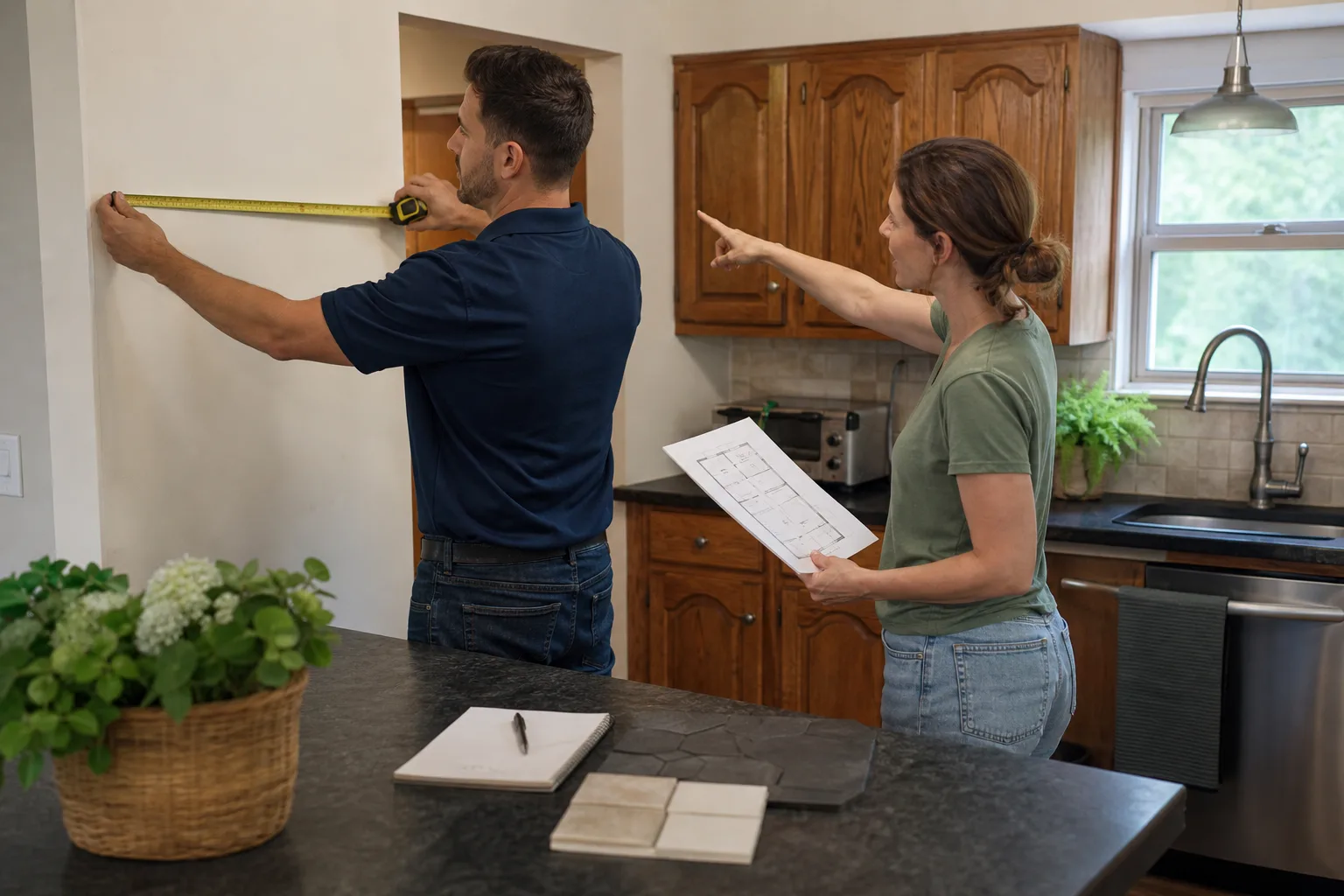
This is why “I’ll just hire the subs myself” sounds simpler than it is. Each sub is a separate contract, a separate schedule, a separate insurance question. For a kitchen, the coordination load rivals the trade work. A documented, written scope makes it manageable; a verbal one around a project like a kitchen remodeling in Winchester is where those projects tend to come apart.
The Decision Matrix: DIY, GC, or Hybrid
Every project decision on this page boils down to three questions, and combining the answers tells you which path to take. The three factors are scope complexity, permit requirement, and insurance exposure. Score each as low, medium, or high, then match the result to the path.
- All three low: DIY. Cosmetic work, no permit, no insurer exposure. Paint, trim, tile, landscape finishing.
- Complexity medium, permit none, exposure low: DIY with a hired hand for the hard parts. Finish carpentry, tile, small repairs.
- Any factor high, or two medium: Hybrid. You act as owner for the cosmetic scope, and a licensed GC handles the permitted, structural, and mechanical work under a written contract.
- Permit required plus structural or mechanical scope plus a full-house timeline: Full GC. This is where self-GCing creates the liability the permit system is designed to track.
The hybrid path is the one most Winchester homeowners should consider first. You keep the easy, cosmetic work that saves real money without exposing you to inspection risk, and you hand off everything that requires a licensed signature or a permit sign-off. A written contract for the professional portion protects you both ways; a written guarantee on the completed work is the part worth insisting on. If you want a sense of how that gets structured, the way a Bradford Remodeling Co Winchester home project is scoped is a fair reference point. And across all three paths, a full written price before work begins is the one line item you should never let slide.
Common Mistakes to Avoid
- Pulling an owner-builder permit without reading the liability language. The permit makes you the responsible party for sub injuries and inspections. Many homeowners sign first and understand later.
- Hiring unlicensed subs to “save the GC markup.” If they aren’t insured and something goes wrong, the claim lands on your property. Saved markup, multiplied exposure.
- Doing permitted work without the permit. In Winchester, this shows up at resale and at insurance time, not on day one. It’s the quiet mistake.
- Covering up work before inspection. Drywall goes up over an uninspected rough-in, and now the fix means opening the wall. That’s the most expensive correction in remodel work.
- Taking on a whole-house timeline with no coordination experience. The scheduling and liability management is harder than the trade work, and it’s the part beginners underestimate most.
- Assuming your homeowner’s insurance covers self-performed work automatically. It often doesn’t, especially if it’s unpermitted or non-compliant. Ask before you start.
- Leaving scope verbal. Even on a DIY project, write down the scope. On a professional one, a written price before any work starts isn’t optional; it’s the difference between a contract and a conversation.
See the difference
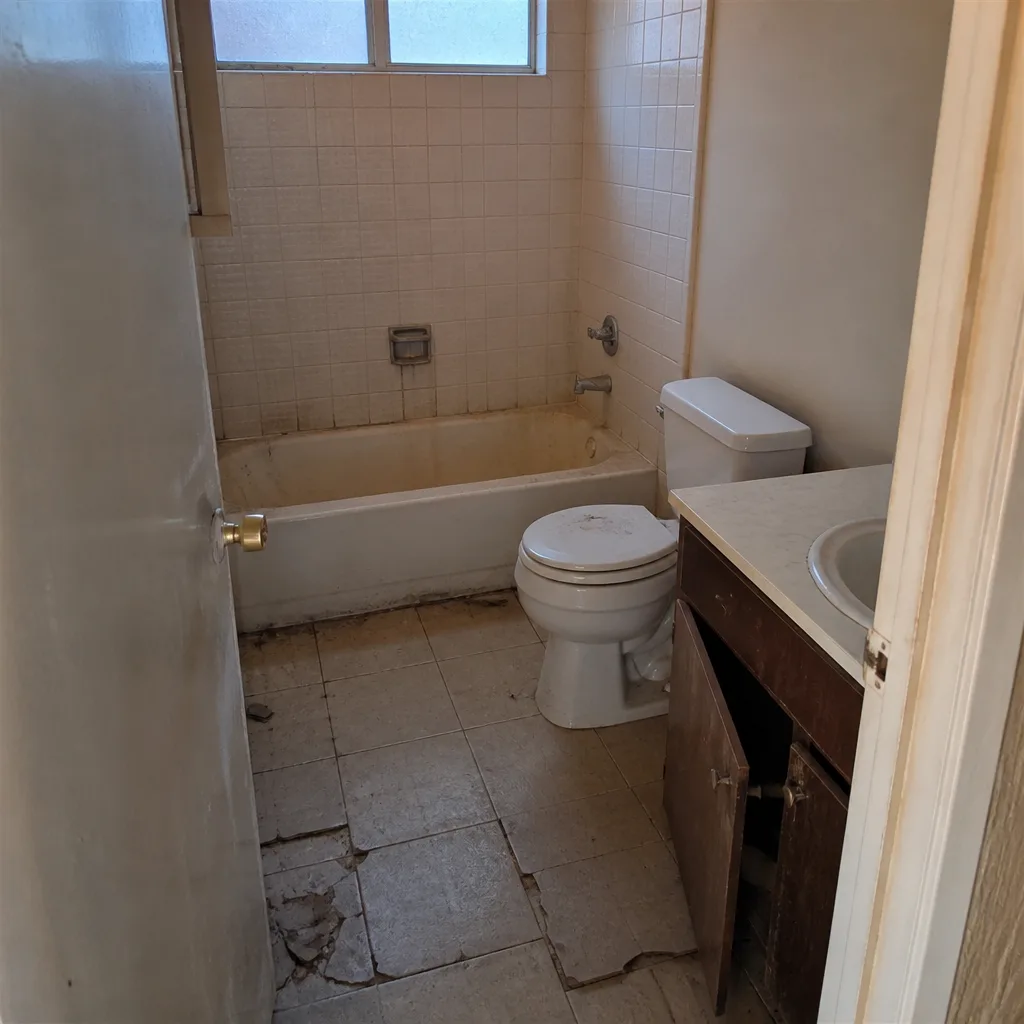 Before
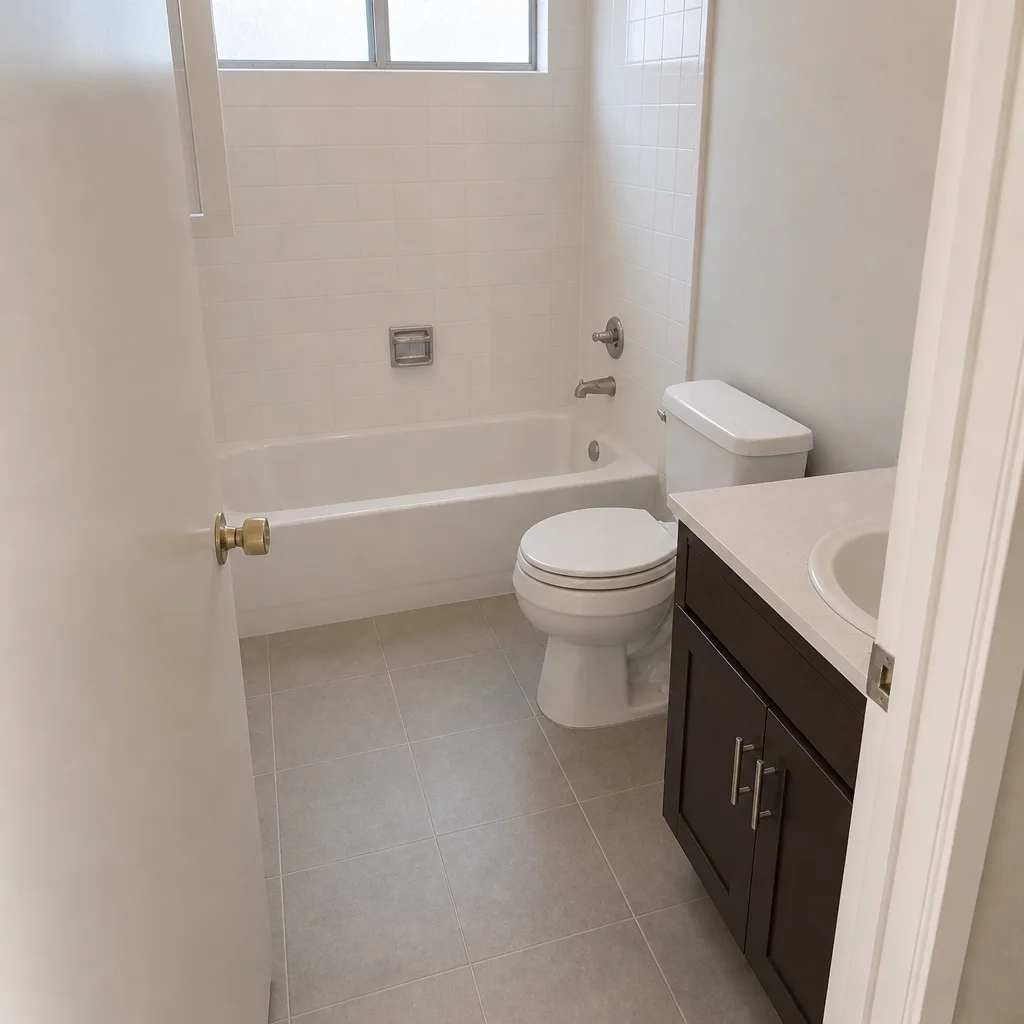 After
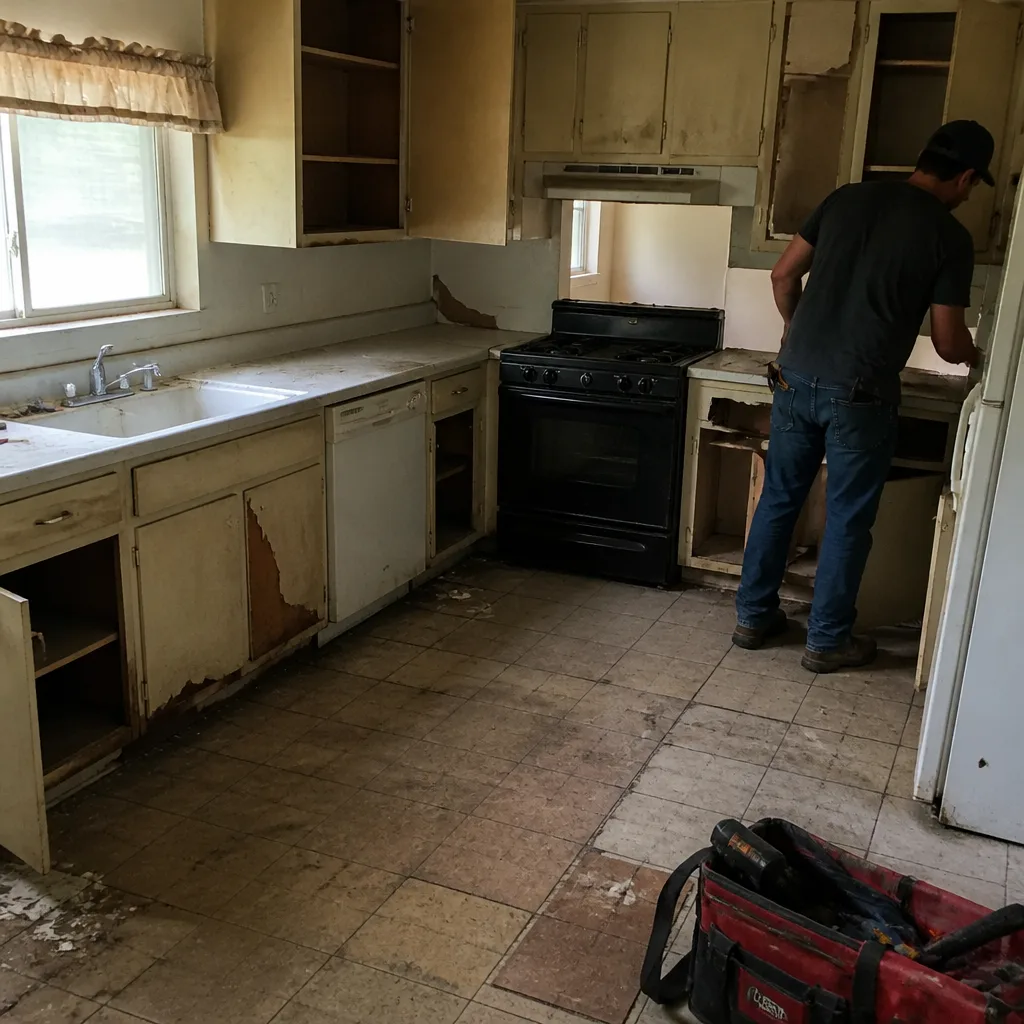 Before
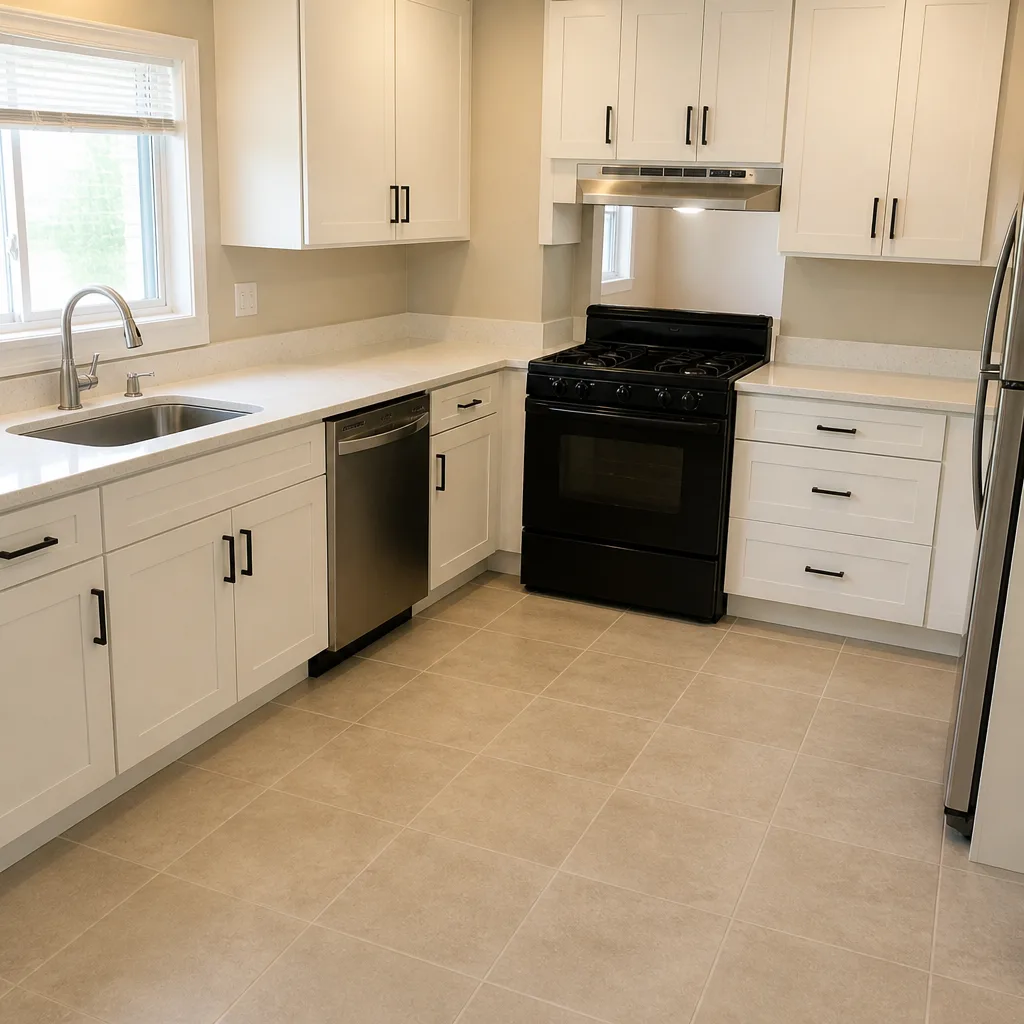 After
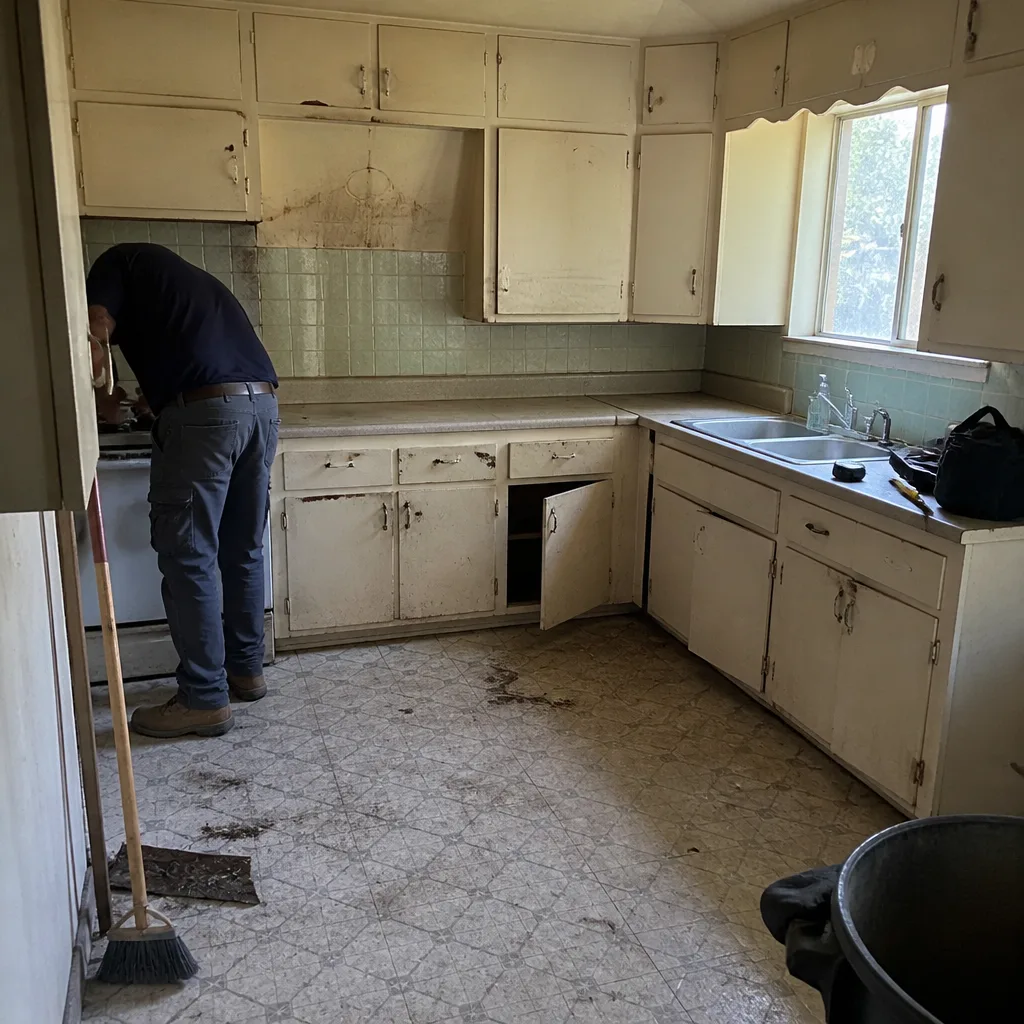 Before
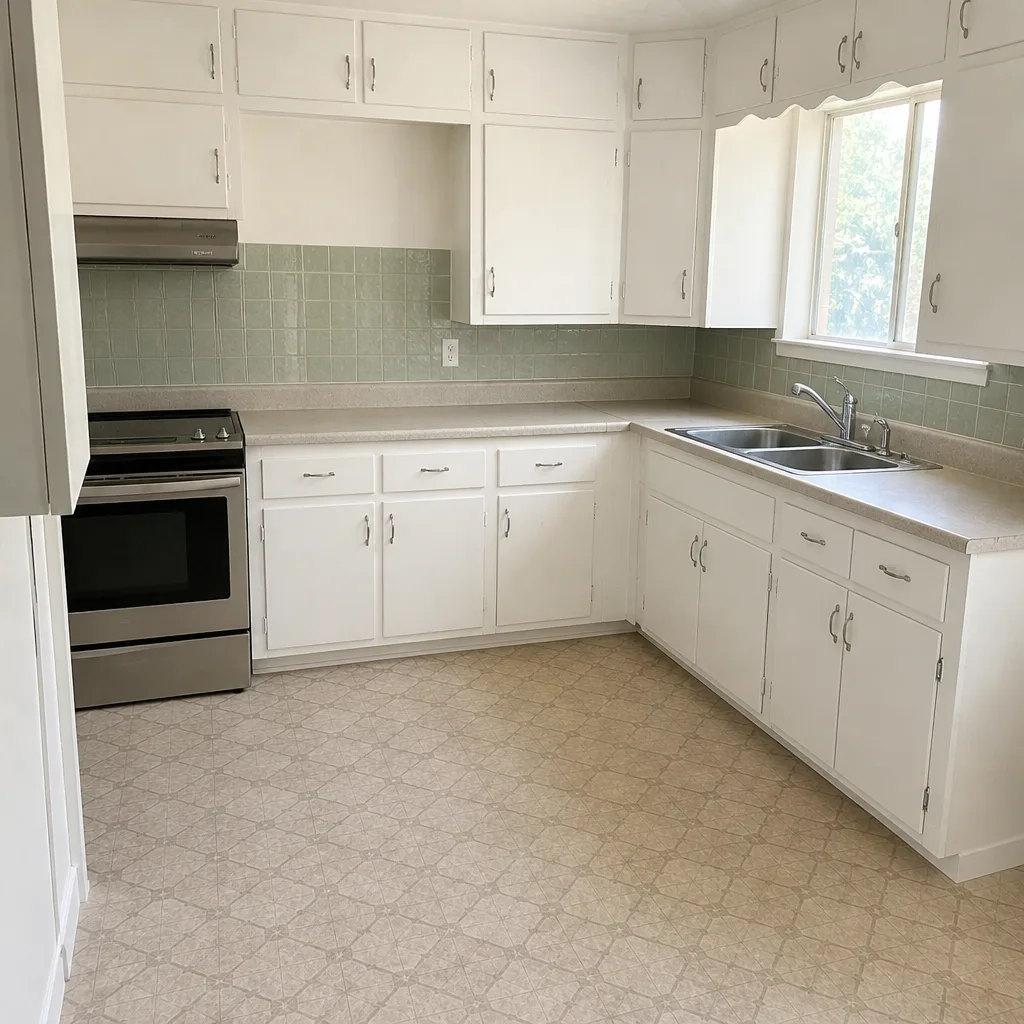 After
When to Call a Professional
Call a licensed professional when the work involves structural changes, electrical, plumbing, gas lines, roofing, or any scope that requires a permit and an inspection before it’s covered up. Call when you’re pulling an owner-builder permit for a multi-trade project and you don’t want to carry the injury and code-deficiency liability personally. Call when the timeline matters and a failed inspection would cost you more than the labor savings. And call when the scope is above your comfort level but you’re not sure where the line sits; a good estimator will tell you honestly whether you’re better off self-performing. Bradford Remodeling Co Winchester offers free estimates in Winchester, and every estimate is a written price before any work starts. Our technicians have up to 22 years of experience, and we put every promise in writing. Call Bradford Remodeling Co Winchester at (844) 972-4839.
Frequently Asked Questions
Yes. Nevada allows a homeowner to pull an owner-builder permit on their own primary residence and act as their own general contractor, without holding a contractor’s license. The catch is that the permit makes you the responsible party for every subcontractor injury and every code deficiency on the job. Those exposures land on you personally, not on a licensed company. Call (844) 972-4839 for a free estimate if you want to compare the self-GC path against a written professional scope.
Cosmetic and non-structural work is safe: demolition of finishes, interior painting, finish carpentry, tile, and landscaping. Anything that hides behind a wall, carries water or electricity, or holds up the house is not. If the work needs a permit and an inspection before it’s covered, treat it as professional scope. Call (844) 972-4839 for a free estimate and a straight answer on where your line is.
It can. Insurers often deny claims on work that wasn’t permitted, inspected, or code-compliant, so a fire from self-installed wiring or water damage from an uninspected rough-in may not be covered. It also complicates resale, because Nevada buyers expect permitted work to be disclosed. Pull the permit and let it be inspected. Call (844) 972-4839 for a free estimate on permitted work.
Professional general contracting in Winchester typically runs well above the cost of the same work self-performed, and the exact number depends on scope, permit fees, and material choices. The GC markup covers coordination, insurance, code compliance, and the guarantee on the finished work. We don’t quote a job before we’ve seen it; a written price comes after the walkthrough, and it doesn’t move after that. Call (844) 972-4839 for a free estimate.
At Bradford Remodeling Co Winchester, every completed project is backed by the 365-Day Done Right Promise: if the work fails within a full year, we come back and correct it at no charge. That’s a written guarantee in the homeowner’s hand at job close, along with a documented scope and a clean site. A self-performed project has no such backstop; you’re the guarantee. Call (844) 972-4839 for a free estimate that spells it out in writing.
Yes, in most cases. Kitchens and bathrooms typically touch plumbing, electrical, or mechanical systems that require a permit and inspection before the walls close up. Covering up uninspected rough-in is the most expensive correction in remodel work. Bradford Remodeling Co Winchester handles the permit and inspection sequence as part of the documented scope. Call (844) 972-4839 for a free estimate.
The Bottom Line
The owner-builder permit is a real Nevada tool, and it’s genuinely useful for a small, tightly scoped job. But it’s a liability instrument as much as a permission slip. Sign it, and every subcontractor injury, every code deficiency, and every unpaid-supplier lien lands on you personally. The smart move for most Winchester homeowners is the hybrid path: keep the cosmetic, non-permitted work that saves real money, and hand the permitted and structural work to someone who carries the liability and the written guarantee. If you self-perform, pull the permit and let it be inspected, because insurance and resale will find out either way. Do it right the first time.
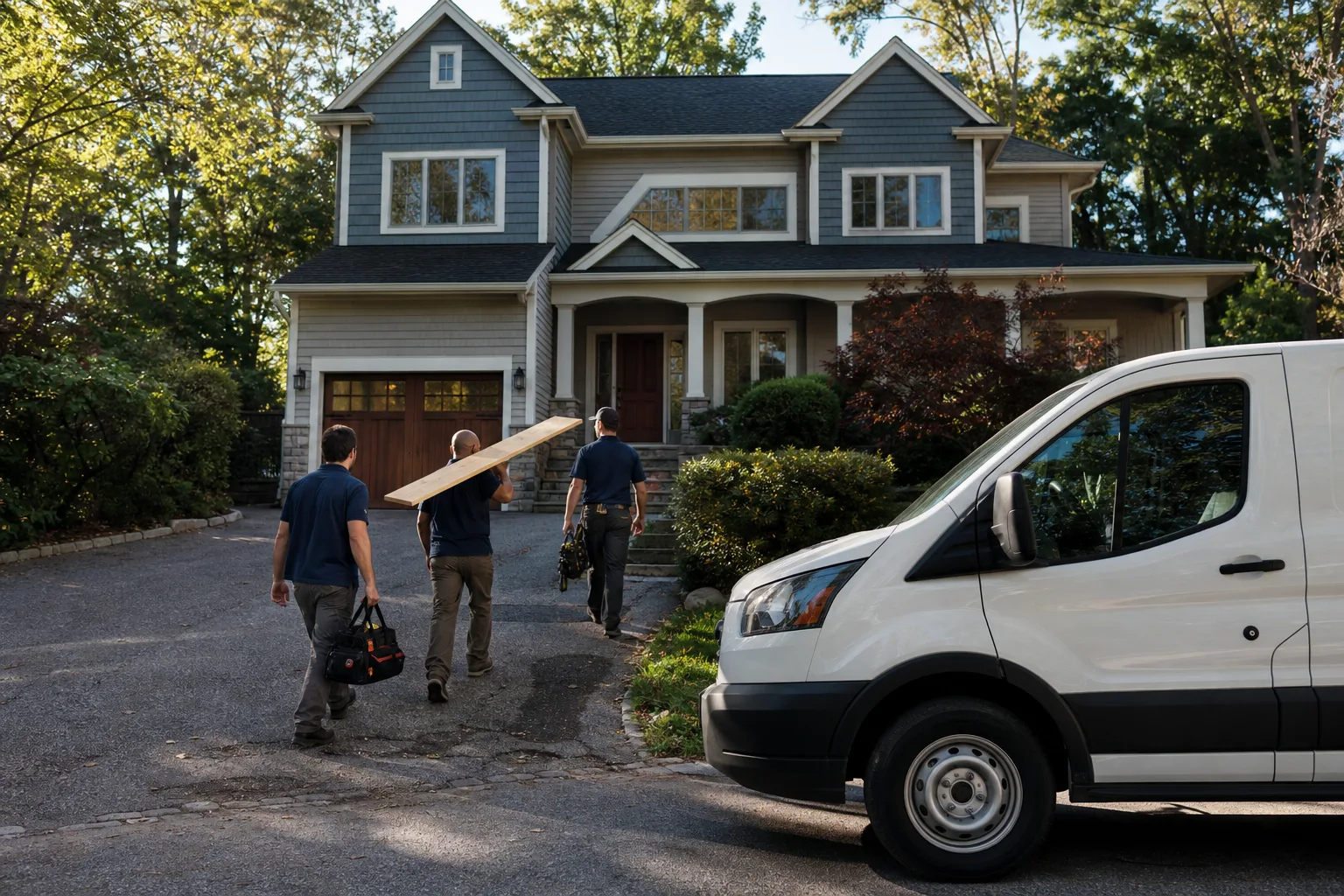
If you’re weighing the line between what you can safely do yourself and what needs a licensed hand, Bradford Remodeling Co Winchester offers free estimates in Winchester. Every estimate is a written price before work starts, every project carries the 365-Day Done Right Promise, and every crew is background-checked and uniformed, so you know exactly who’s walking through your door. A live person answers the phone 24/7. Call Bradford Remodeling Co Winchester at (844) 972-4839 to schedule your free estimate.
Written by the team at Bradford Remodeling Co Winchester.