Last updated November 18, 2026






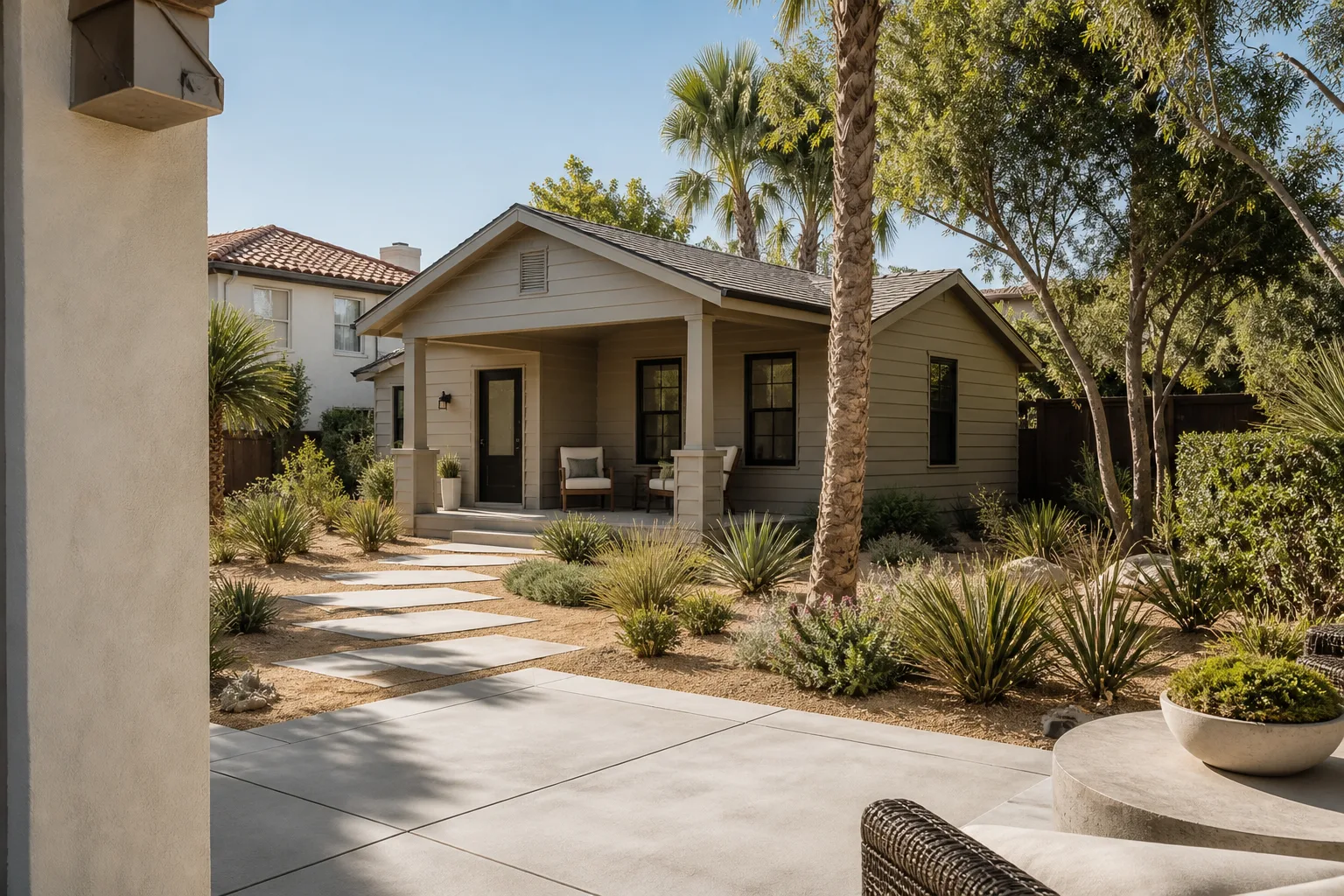
Free written scope consultation - allowances, timeline, and change-order rules on paper before a single trade is scheduled
Construction Emergency Preparedness Guide for Winchester Homes
When a roof truss fails or a pipe bursts behind a wall, the first call most Winchester homeowners make is wrong. The second call often undoes the paperwork the first one should have created. In our experience, that order of operations matters more than how fast anyone shows up. This guide lays out the three categories of construction emergency – structural failure, weather intrusion, and utility breach – and the response sequence each one actually requires. You’ll learn what to document before mitigation starts, how to vet a contractor under time pressure, and what to have on file in Winchester before anything goes wrong.
Quick Answer
For a construction emergency in Winchester, stop the source if it’s safe to do so, then photograph and timestamp every affected area before any cleanup begins, then call your insurance and a licensed contractor. The order matters because mitigation work performed before documentation can reduce or void a claim. Structural failures need a licensed structural professional first; water and weather intrusion need documentation first, then emergency mitigation.
Styles & brands we work with
- Kitchen remodeling
- Bathroom remodeling
- Home additions & ADU
- Roofing
- Windows & doors
- Driveway & pavers
- Fence
Table of Contents
- The Three Categories of Winchester Construction Emergency
- The Correct Response Sequence, Step by Step
- How to Document Damage Before Mitigation Starts
- How to Vet an Emergency Contractor in Winchester
- Pre-Emergency Prep: What to Have on File
- Mitigation vs. Repair: Why the Scopes Stay Separate
- Common Mistakes to Avoid
- Frequently Asked Questions
The Three Categories of Winchester Construction Emergency
Not every home emergency is the same kind of event, and treating them the same way is where homeowners get into trouble. In Winchester, we sort them into three buckets because each one demands a different first responder, a different paper trail, and a different insurance pathway.
- Sudden structural failure. A failed truss, a sagging header over a garage opening, a cracked foundation wall that’s moved visibly, or a section of ceiling that’s dropped. The first concern is whether the structure is still safe to occupy. This category needs a licensed structural engineer or a general contractor with structural experience to assess before anyone removes material.
- Weather intrusion. Monsoon-driven rain pushing through a failed roof detail, wind lifting shingles, or flash flooding wicking into a slab. Southern Nevada summers deliver intense, short-duration rain that finds every weak flashing and window seal. Weather intrusion is a documentation-first emergency.
- Utility system breach. A burst supply line, a failed water heater, a gas line struck during a dig, or an electrical fault that’s tripped a main. Water and gas are stop-and-call emergencies; electrical faults are a shutoff-first emergency. Each one has its own safe first move.
Knowing which bucket you’re in before you pick up the phone is the difference between a clean claim and a contested one. If you’re unsure, treat it as structural until a professional tells you otherwise. Our General Contractor in Winchester team fields these calls regularly and can help you classify the situation.
The Correct Response Sequence, Step by Step
Here is the sequence we give Winchester homeowners. It’s built around one rule: safety first, documentation second, repair last. Skipping ahead to repair is the most common mistake, and it’s the one that costs the most.
- Make the scene safe. Shut off the water at the main if there’s active water, shut off gas at the meter if you smell gas, and cut power at the breaker if there’s electrical danger. Leave the house if a structural element has failed and you’re not certain it’s stable.
- Call your insurance company (or your agent) and open a claim. Do this before you authorize any mitigation. You need the claim number and the adjuster’s guidance on what they want documented. Some policies require notification within a set window.
- Document everything. Photos, video with a timestamp, written notes with times, whoever you spoke to, and what was said. Do this before the mitigation crew touches a thing.
- Call a licensed contractor for emergency mitigation – the temporary work that stops further damage (tarping, extraction, shoring, board-up). Get the scope and the price in writing before they start.
- Get a separate written scope for permanent repair once the site is stabilized and the adjuster has seen the damage.
- Keep every receipt, invoice, and written scope in one folder. Insurers ask for them, and the paper trail is what makes the claim defensible.
Why order matters: mitigation performed before documentation can move, cover, or destroy the evidence an adjuster needs. A tarp over a failed roof is correct mitigation – but not before the failure itself is photographed and timestamped. A water extraction crew is correct mitigation – but not before the moisture readings and the source have been recorded.
How to Document Damage Before Mitigation Starts
Adjusters don’t accept “it looked bad.” They accept dated evidence. Here’s exactly what a Winchester claim needs, and this is where most homeowners leave money on the table.
- Wide shots before close-ups. Photograph the whole room or elevation first, so the damage is shown in context, then move in. An adjuster needs to see where the water came from relative to the whole wall.
- Timestamped video. Walk the space narrating the date, time, and what you’re seeing. Most phones stamp this automatically. Narrate anyway – it creates a record of your account that isn’t easy to edit.
- Something for scale. A tape measure or a coin next to a crack or a stain shows the adjuster how big the problem actually is. Cracks that grow matter; cracks that don’t, matter less.
- Moisture readings. If a contractor has a moisture meter, ask them to record readings before extraction. This is the number that proves the water traveled where you say it did.
- Written record. A simple notebook with date, time, and a one-line description of each photo. Name the file or photo so it matches the note.
- Receipts for any emergency spend. Emergency board-up, tarping, hotel if you’re displaced, water extraction. Keep every receipt; these are typically reimbursable under the claim.
In Winchester, flash flooding after a monsoon storm often leaves water marks that fade within hours. Photograph the high-water line immediately, before it dries. Similarly, a roof leak that’s been running for a while may only show as a stain – document the stain and the roof detail above it, because the adjuster will want both.
How to Vet an Emergency Contractor in Winchester
Under time pressure, the temptation is to call whoever answers fastest. That’s exactly how homeowners end up with a stack of verbal promises and a bill that moved. Here’s what to check, in order, in the ten minutes you have.
- License and insurance, in writing. Ask for the contractor’s license number and a certificate of insurance (general liability and workers’ comp). Have them text or email it. Under Nevada rules, a licensed contractor should be able to show this readily; if they hesitate or say “we’ll bring it later,” that’s the answer.
- A written scope before any work starts. The scope should say exactly what will be done – tarp square footage, number of extraction units, what gets removed, what stays. A verbal “we’ll take care of it” is not a scope.
- A written price before any work starts. No number that moves at the door. At Bradford Remodeling Co Winchester, every project receives a written price before work begins; that’s non-negotiable, emergency or not. Our Bradford Remodeling Co Winchester home page outlines how The Garrison Standard applies to every call.
- Ask what’s explicitly not included. In an emergency, the exclusions matter more than the inclusions. “We don’t do drywall” is a fact you need before you sign, not after.
- Ask for a background-checked crew. Emergency work brings strangers into your home. Bradford’s technicians are background-checked and uniformed, and we can tell you who’s coming before they arrive.
- Get the warranty terms in writing. Bradford’s 365-Day Done Right Promise covers every completed project for a full year – if the work fails inside that window, we return and correct it at no charge. Ask any contractor you call what their written guarantee says, and for how long.
Under time pressure, the contractor who can hand you a written scope, a written price, and a certificate of insurance is the one who gets the call. The one who can’t is the one who leaves you holding a verbal promise.
Pre-Emergency Prep: What to Have on File
Every emergency we’ve walked into in Winchester was harder because the homeowner had to find information under pressure. The prep work takes an afternoon and pays for itself the first time something goes wrong. Put this file together now, before you need it.
- Panel and service location and rating. Where the main electrical panel is, what amperage it’s rated for, and a photo of the breaker labels. This is what lets you or a contractor shut off the right circuit fast.
- Water shutoff location. Main shutoff at the meter, and any secondary shutoffs at the water heater or behind fixtures. Photograph each one and label it.
- Gas meter and shutoff. Same drill. A photo of the meter and the shutoff valve, clearly labeled.
- Structural drawings and permits. If you have original plans or permit records for your Winchester home, keep copies. Structural drawings tell a contractor instantly which walls are load-bearing and which openings are original, which changes everything about the response.
- Insurance policy and agent contact. The declarations page, the claim phone number, your agent’s direct line. Digital copy plus a printed copy in the fireproof box.
- A contact list. Your insurance agent, a licensed general contractor, a roofing contractor, a water mitigation company, and a plumber. Five numbers on a fridge magnet. The night you need them is not the night to search.
If you’ve done a Kitchen Remodeling in Winchester or a Bathroom Remodeling in Winchester project with us, we hand you the mechanical and structural documentation at job close. That file is the same one you’ll reach for in an emergency.
Mitigation vs. Repair: Why the Scopes Stay Separate
This is the distinction that trips up the most Winchester homeowners, and it’s worth spelling out plainly.
Emergency mitigation is the temporary work that stops further damage. Tarping a failed roof section. Extracting standing water. Shoring a sagging ceiling. Boarding up a broken window. It’s designed to hold the line until the permanent repair can be scoped and scheduled. It’s short-duration and it’s documented as its own scope with its own written price.
Emergency repair is the permanent work that restores the structure or system. Replacing the failed truss. Rebuilding the water-damaged wall. Repiping the failed line. Installing a new roof section. It has its own scope, its own written price, and its own timeline.
Why keep them separate? Three reasons. First, your insurer needs to see them as separate line items, because mitigation is often covered under a different provision than repair. Second, combining them into one scope hides the price of each and makes the bill impossible to check. Third, and most importantly, combining them is how you end up paying for the mitigation before you’ve agreed to the repair – or the other way around – with no clear boundary of who’s responsible for what.
Ask any contractor for two written scopes: one for mitigation, one for repair. If they want to roll them into a single number, ask them to break it out line by line. Bradford writes the price for both before a single tool comes out, and both are covered by the 365-Day Done Right Promise where it applies to the completed repair.
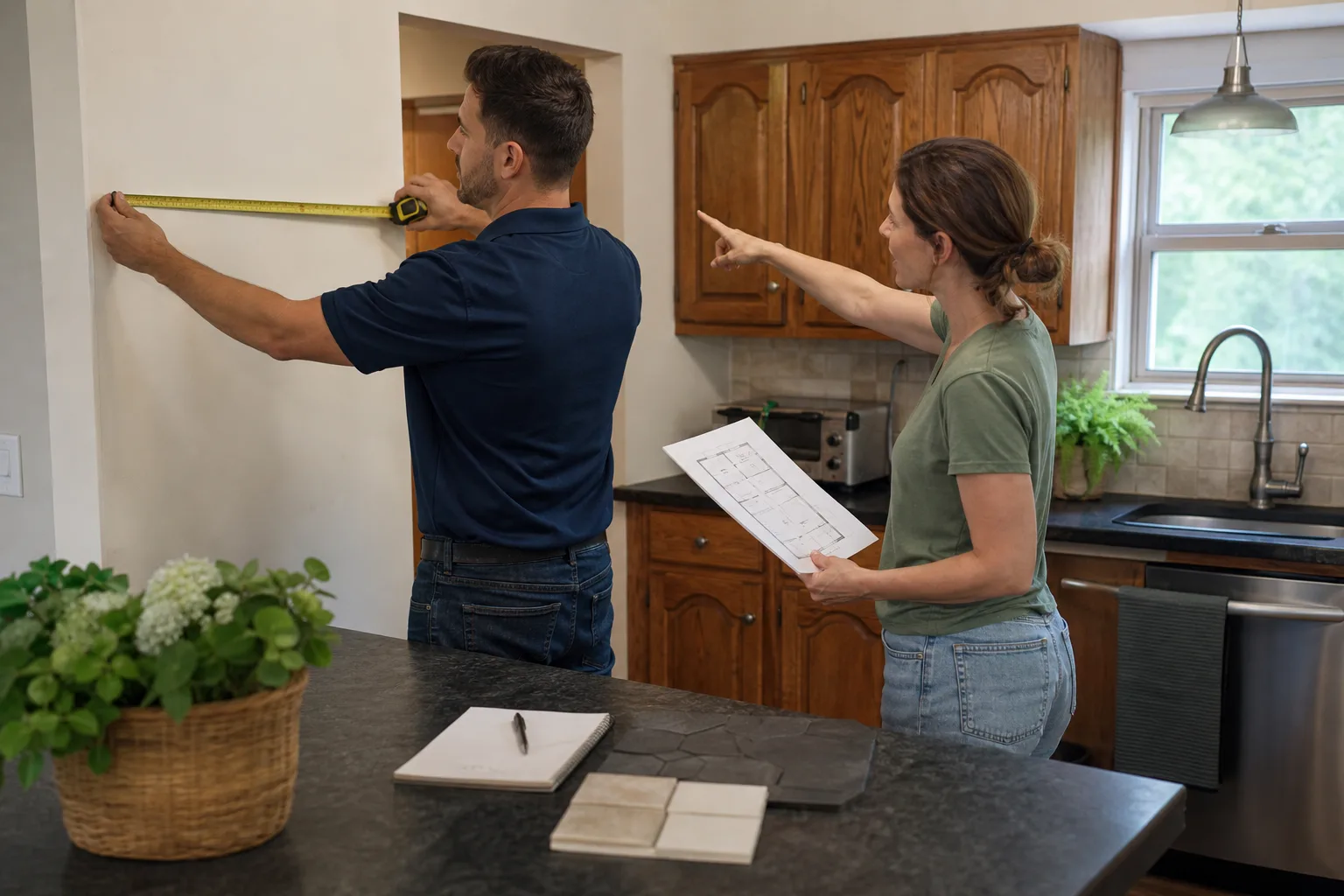
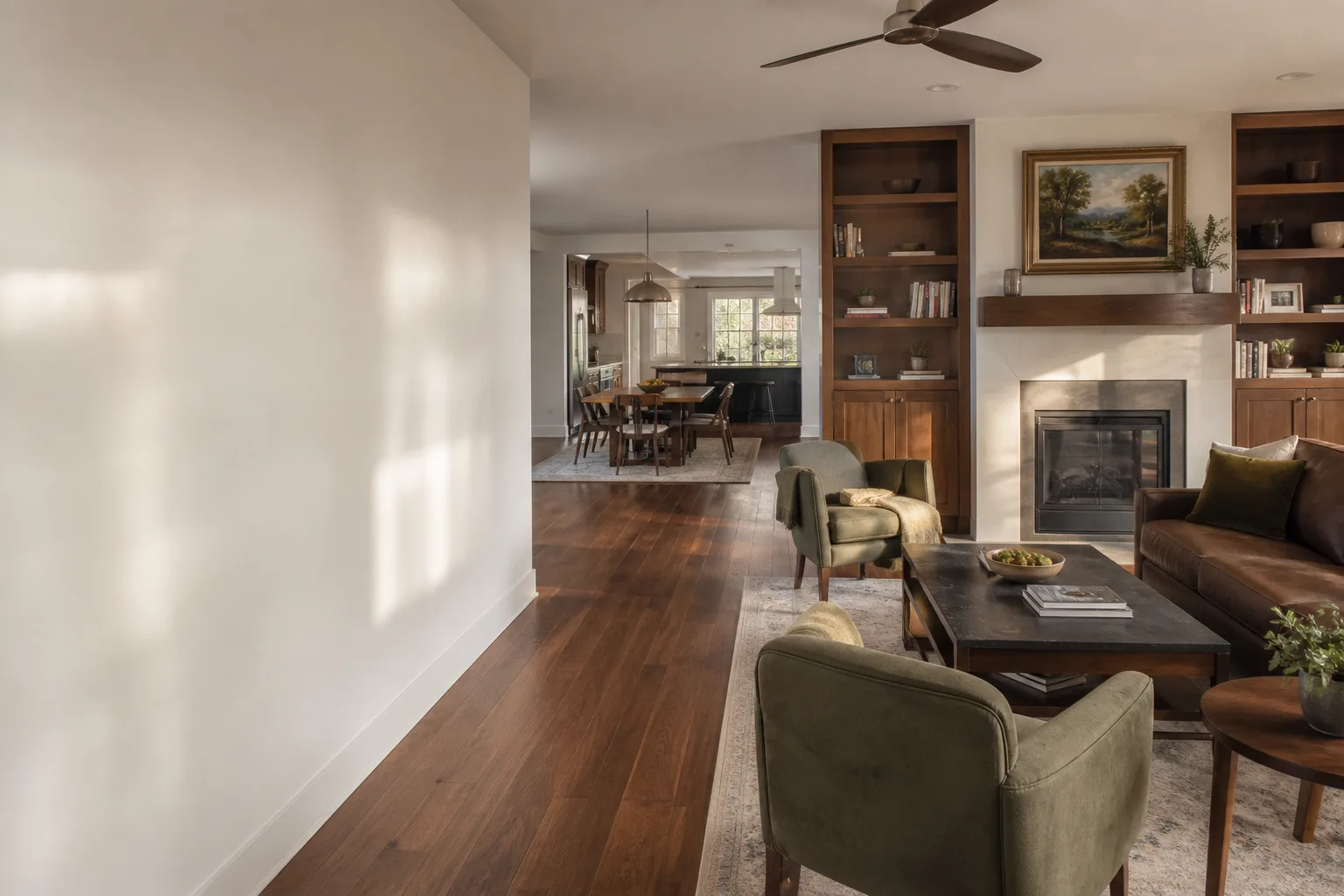
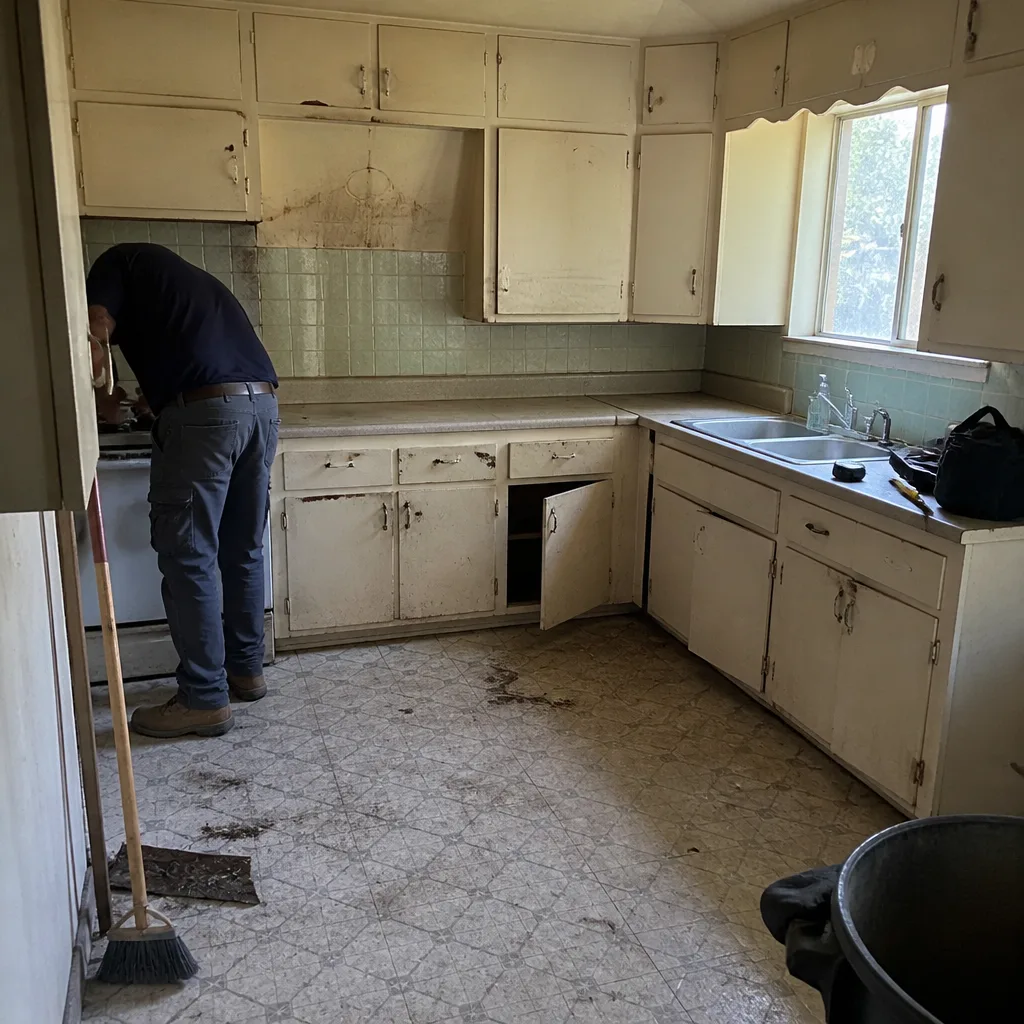
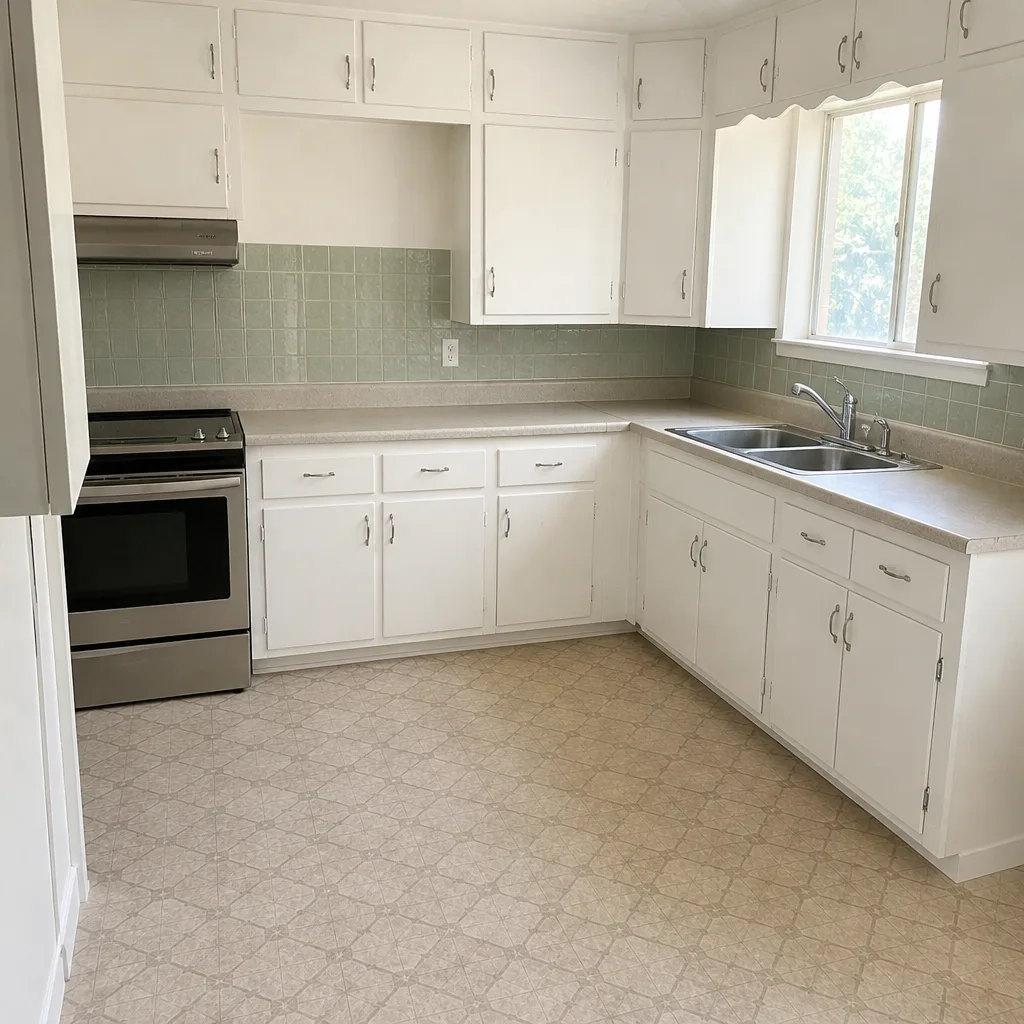
See the difference
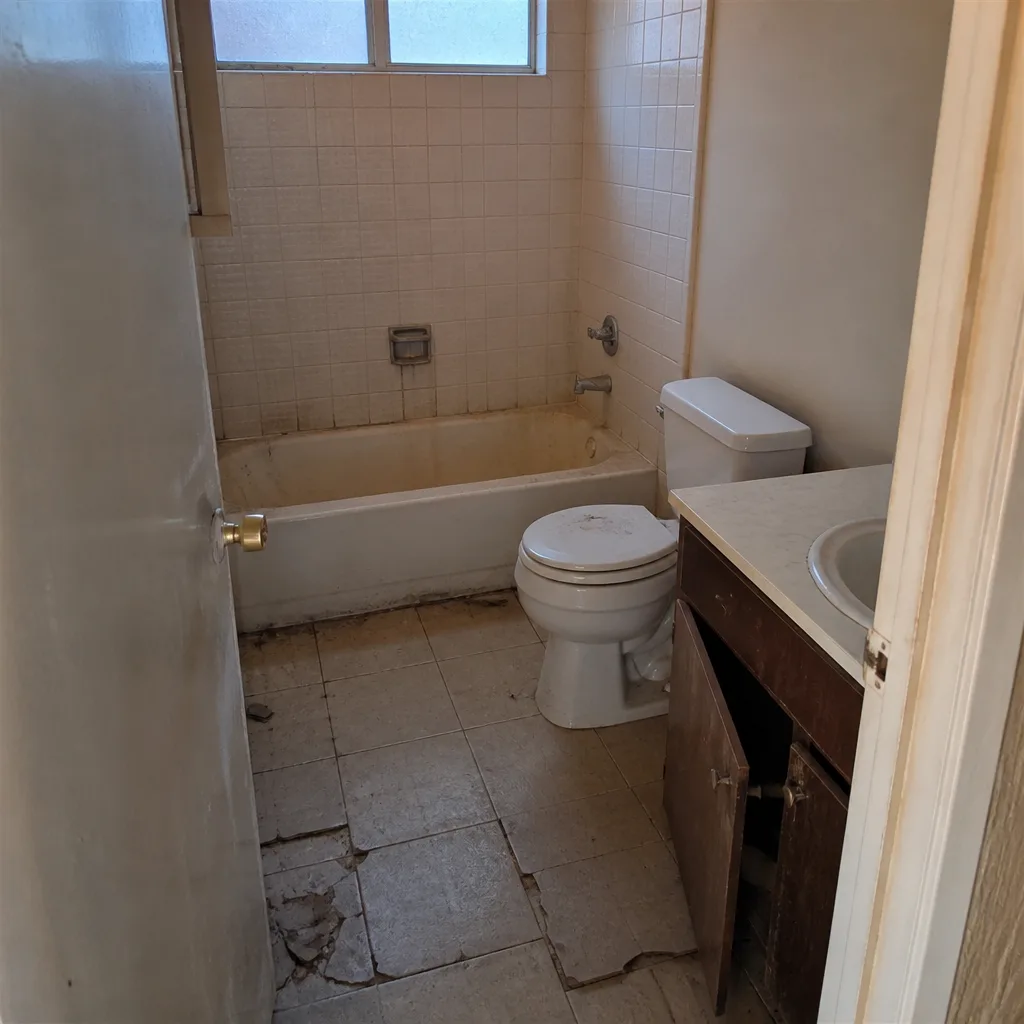 Before
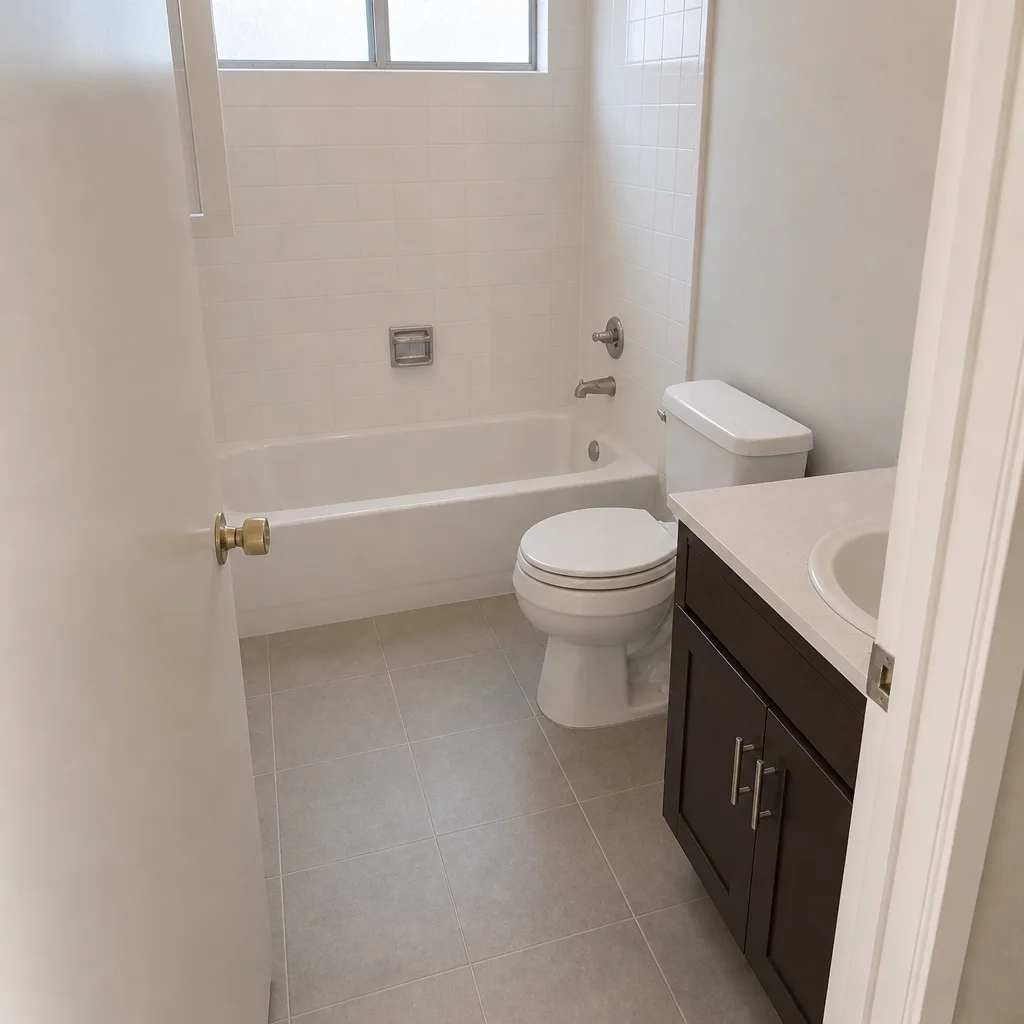 After
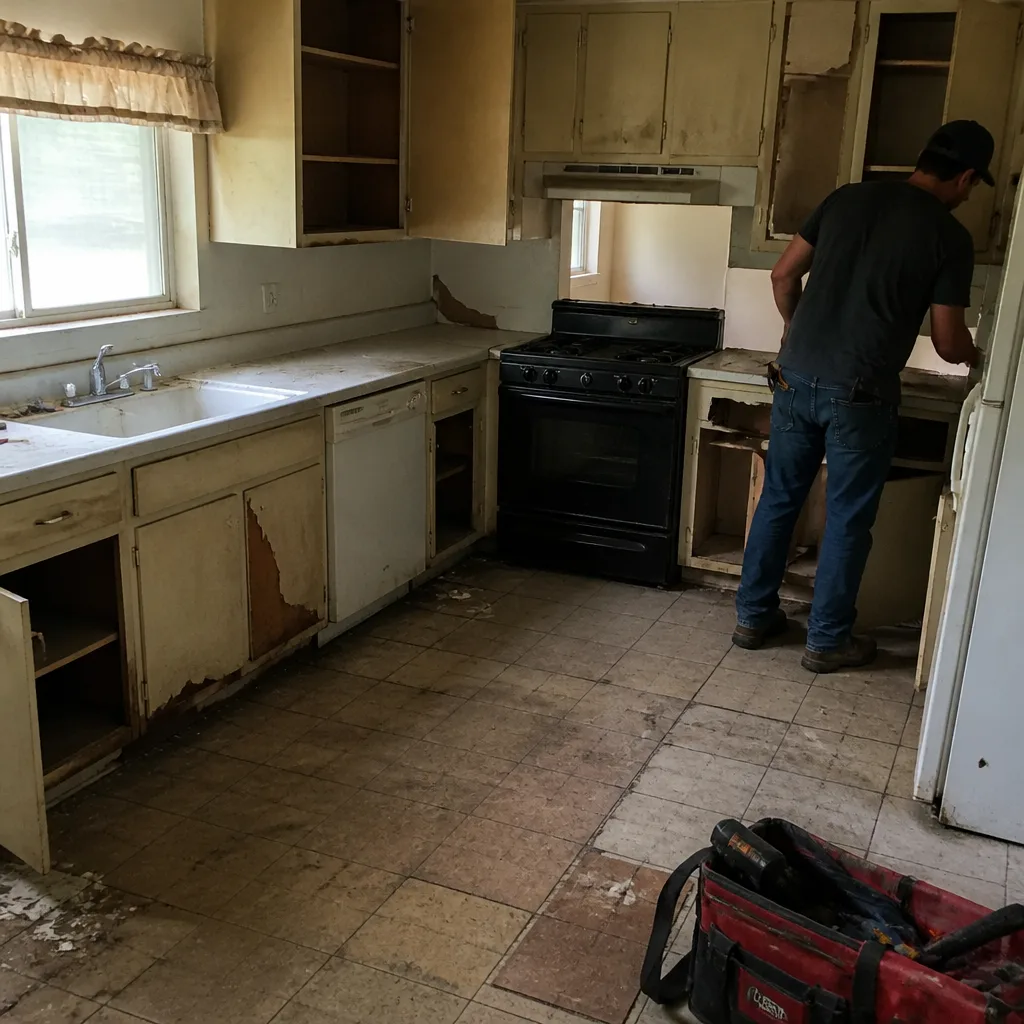 Before
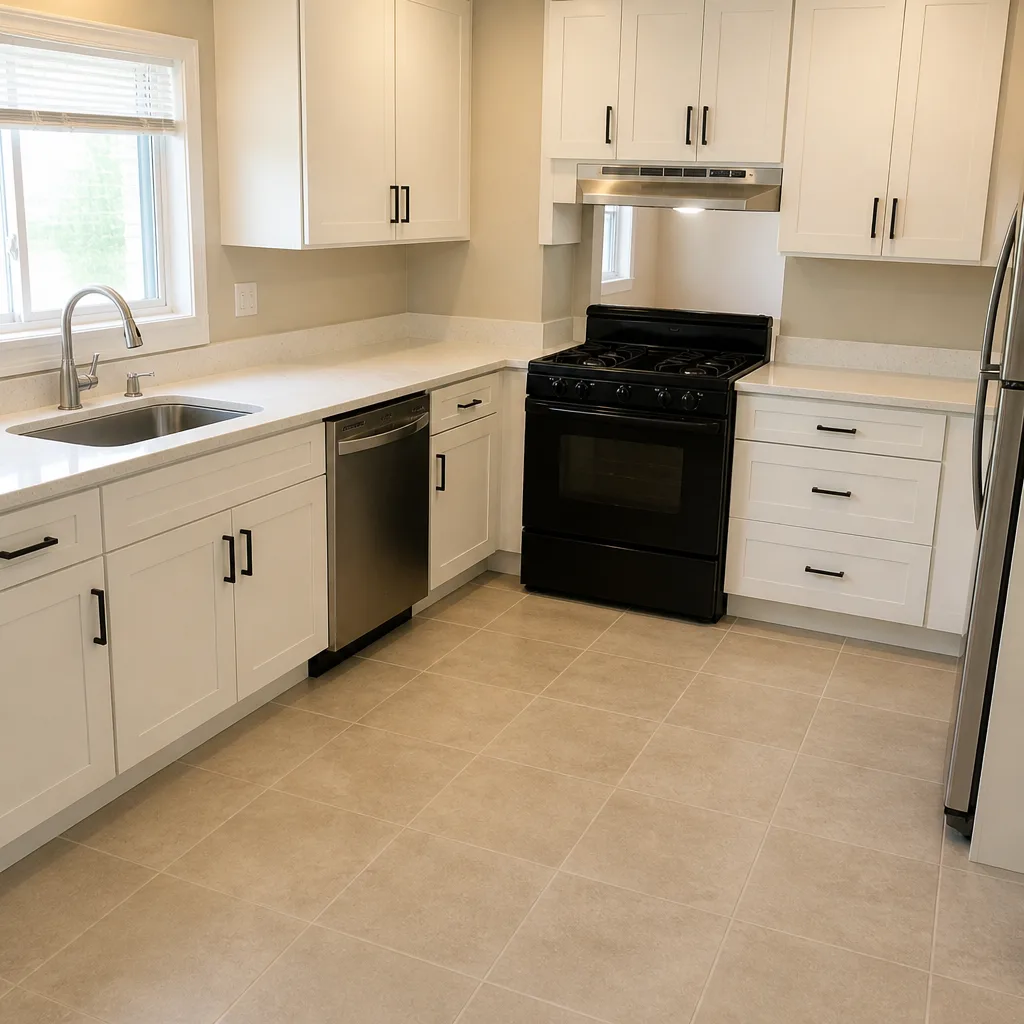 After
 Before
 After
Common Mistakes to Avoid
- Authorizing mitigation before documentation. If the crew starts pulling wet drywall before you’ve photographed the water line, the adjuster has nothing to measure. Document first; mitigate second.
- Calling a contractor before calling insurance. In Winchester, some policies specify notification windows; missing one can complicate a claim. Open the claim, get the claim number, then call the contractor.
- Accepting a verbal scope under pressure. The contractor who says “we’ll figure out the scope after” is the one who’ll figure out the price after too. Get it in writing before any work starts.
- Letting the mitigation crew choose the repair contractor. Mitigation and repair are separate decisions. You’re entitled to vet each one on its own terms.
- Forgetting the receipts for emergency spend. Hotel, board-up, tarps, extraction – every receipt is potentially reimbursable. Keep them in one folder from day one.
- Ignoring the “small” cracks and stains. In Winchester, a hairline crack in a slab or a faint ceiling stain after a monsoon is often the first warning of a bigger problem. Photograph and note it now; it’s the baseline that matters later.
- Letting the site get cleaned up before the adjuster sees it. Well-meaning neighbors and eager crews will want to sweep up. Ask them to leave the debris in place until the adjuster has recorded it.
When to Call a Professional
Call a professional immediately if any of these are true: a structural element has visibly failed or is sagging; there’s active water flowing that you can’t stop at the shutoff; you smell gas; a main breaker has tripped and won’t reset; a large section of roof is missing; or the ceiling has dropped or is bowing. Call sooner rather than later if you’ve had water intrusion and the moisture hasn’t been extracted within 24-48 hours – mold risk climbs quickly in Winchester’s dry heat once the water source stops. For any of these, call your insurance first, then a licensed contractor for mitigation. Bradford Remodeling Co Winchester offers free estimates in Winchester and fields live-person calls around the clock – call (844) 972-4839. Our technicians have up to 22 years of experience, and we’ll give you a written scope and a written price before any work begins.
Frequently Asked Questions
Call your insurance company first if there is no immediate safety threat, then a licensed contractor for mitigation. If there is an immediate safety threat – active gas, a structural collapse risk, or live electrical danger – make the scene safe and get out, then call insurance. Opening the claim first is what protects the paperwork the rest of the process depends on.
Timestamped photos and video of every affected area, wide shots before close-ups, moisture readings if you can get them, a written record of dates and times, and receipts for any emergency spend. The rule is: document the damage in place before anything is removed, covered, or cleaned up.
Most homeowner policies cover emergency mitigation to prevent further damage, but the exact terms depend on your policy and the cause of the loss. This is why notification and documentation come first. Call your agent or insurer, get the claim number, and ask specifically what they need documented before the mitigation crew starts. Call (844) 972-4839 for a written mitigation scope and price if you need one.
Ask for the license number and a certificate of insurance, and have them text or email both before they start work. In Nevada, a licensed contractor can produce these quickly. If they hesitate or promise to bring them later, that’s your answer. Ask for a written scope and a written price at the same time – a legitimate contractor won’t object.
Mitigation is the temporary work that stops further damage – tarping, extraction, shoring, board-up. Repair is the permanent restoration – replacing the truss, rebuilding the wall, repiping the line. They should be scoped and priced separately so the insurer can evaluate each line and so you can verify exactly what you’re paying for.
Original structural drawings and permit records if you have them, plus photos and labels of the electrical panel, the water shutoff, and the gas shutoff. Keep your insurance declarations page and agent’s direct number on file too. This file is what lets a contractor classify the emergency and act correctly the first time. Bradford hands every homeowner their mechanical and structural documentation at job close after a bathroom or kitchen remodel for exactly this reason.
The Bottom Line

Construction emergencies in Winchester split into structural failure, weather intrusion, and utility breach – and each has its own response sequence. Safety first, documentation second, mitigation third, repair last. Keep separate written scopes and written prices for mitigation and repair. Verify license and insurance before anyone touches a tool. And do the prep work now: shutoff locations, panel labels, structural drawings, and a short contact list. The homeowner who’s done that prep writes the claim; the homeowner who hasn’t fights it. Bradford Remodeling Co Winchester writes the price and the warranty in writing before work starts, and we answer the phone live around the clock.
If something has gone wrong and you need a straight number and a written scope, call (844) 972-4839 for a free estimate. We’ll classify the emergency, document what’s there, and give you the price before any work begins.
Written by the team at Bradford Remodeling Co Winchester.